
Behind the scenes, one of the biggest changes in the history of the cinnamon market is underway. Consumers no longer buy ‘cinnamon’ – they buy origin, quality and trust. For bulk importers, wholesalers, food manufacturers and spice distributors, the difference between Cassia and Ceylon cinnamon has become more than just a culinary question. It’s a commercial decision that impacts pricing, compliance and long-term profitability.
The real opportunity in the global spice trade today is not only in sourcing cinnamon but also in sourcing the right cinnamon through verified B2B procurement channels. With the increasing importance of traceability, food safety and competitive pricing for buyers, platforms like Tradologie.com are revolutionising the international spice trade.
Two Cinnamon Markets Coexist Now
If you go into a supermarket in New York, Dubai, Lagos or Berlin, you are likely to find a product simply labelled ‘cinnamon’. But behind that one word is a market split into two very different products.
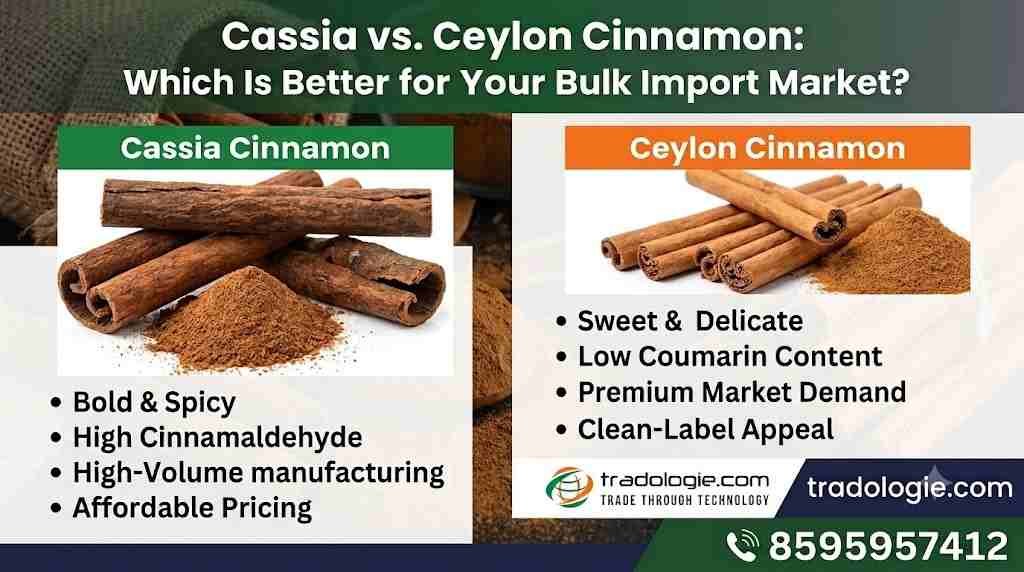
- Cassia cinnamon (Cinnamomum cassia and related species) is the primary type sold commercially, as it is inexpensive and has a bold flavour.
- Ceylon Cinnamon (Cinnamomum verum)—often referred to as “True Cinnamon”—commands a premium price due to its subtle flavour, lower coumarin content, and clean-label appeal.
Knowing which segment their customers belong to is the difference for importers between getting repeat contracts and stocking the wrong inventory.
Cassia Cinnamon: The Commercial Powerhouse
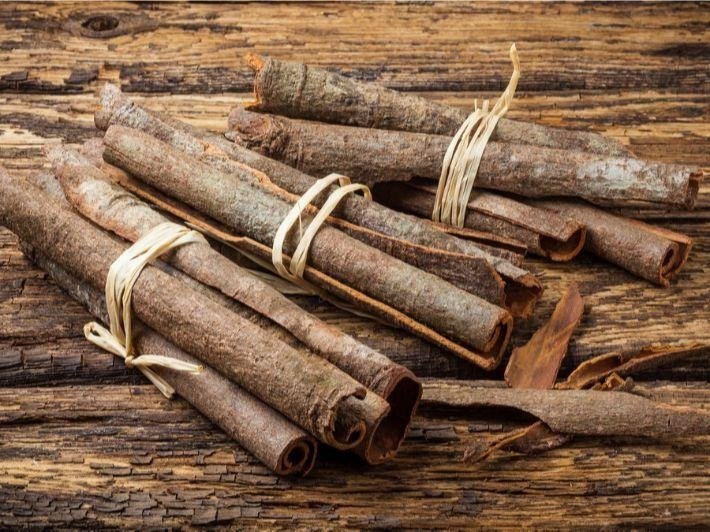
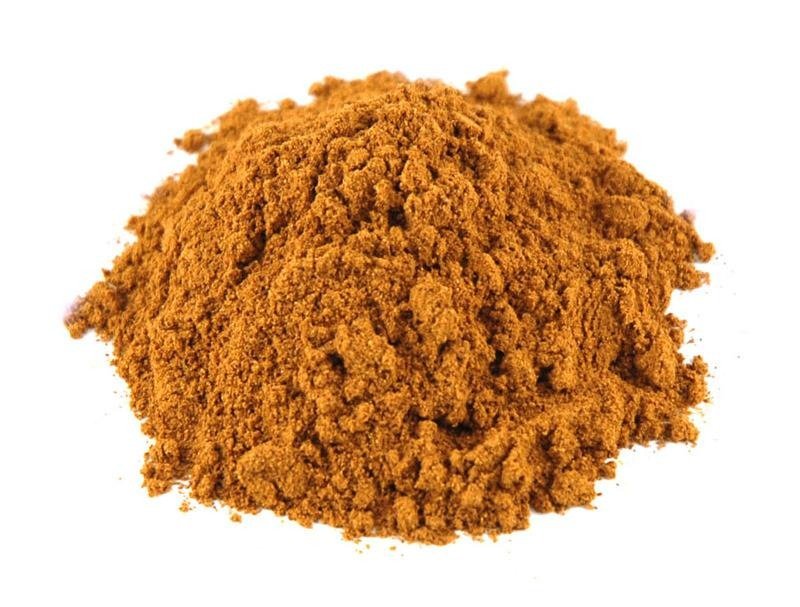
Cassia is not merely common; it is the workhorse of the global spice industry.
Most of the world’s cinnamon trade is in cassia, which is grown primarily in Indonesia, Vietnam, China and other Southeast Asian countries because it is more available, has a stronger aroma and is more competitively priced.
Its higher cinnamaldehyde content provides the bold, spicy flavour favoured by major food manufacturers producing bakery products, breakfast cereals, cookies, sauces, beverages, spice blends and processed foods.
Cassia is often the best commercial choice for businesses that buy cinnamon in bulk for high-volume manufacturing.
Ceylon Cinnamon: The Premium Opportunity
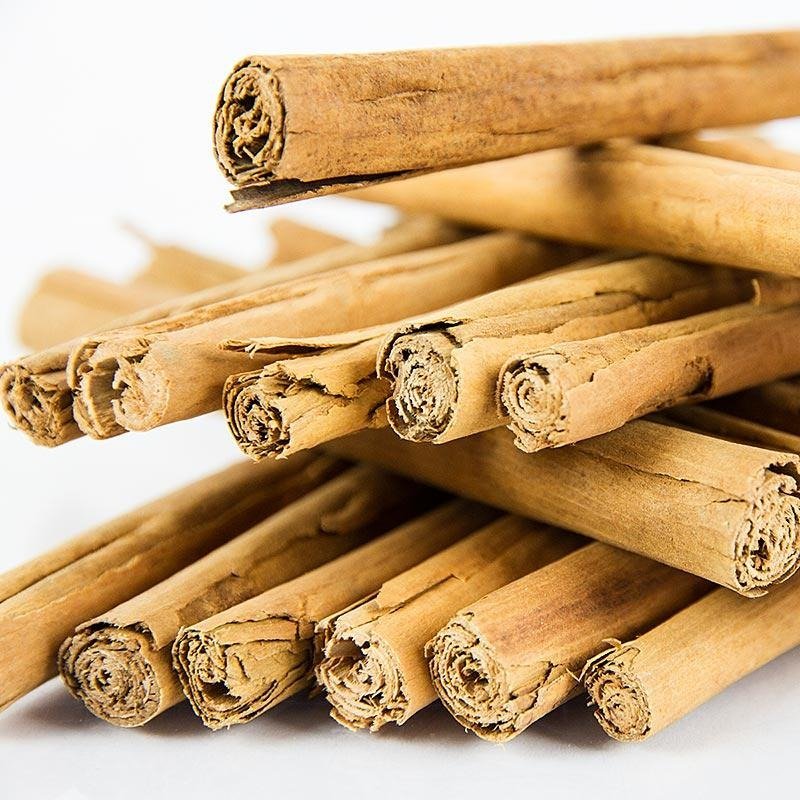

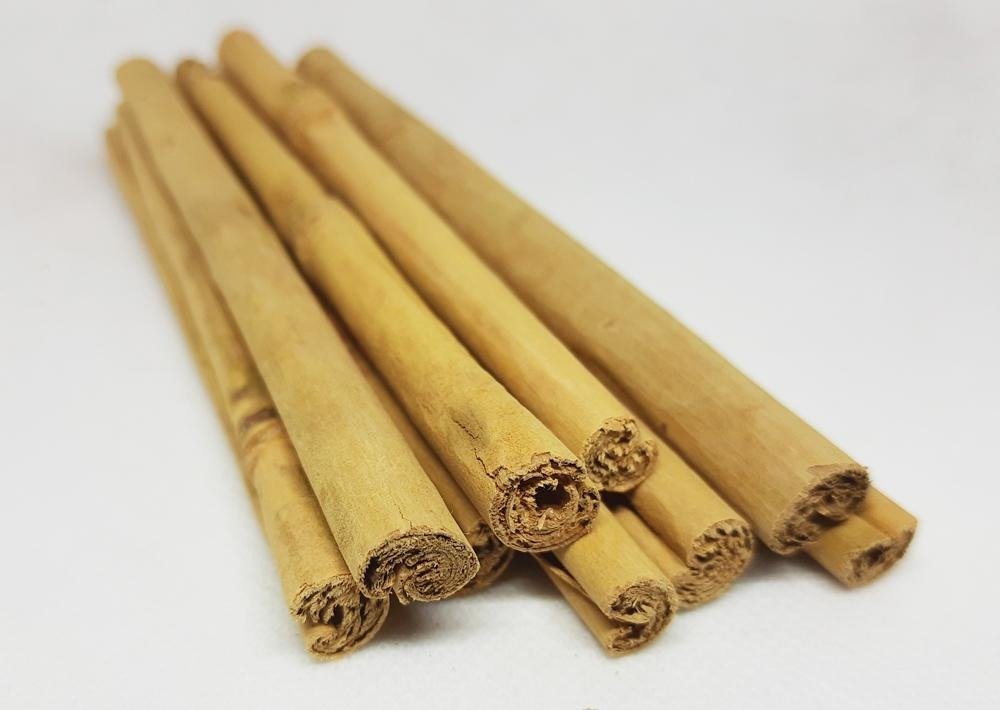
If volume is Cassia, then value is Ceylon.
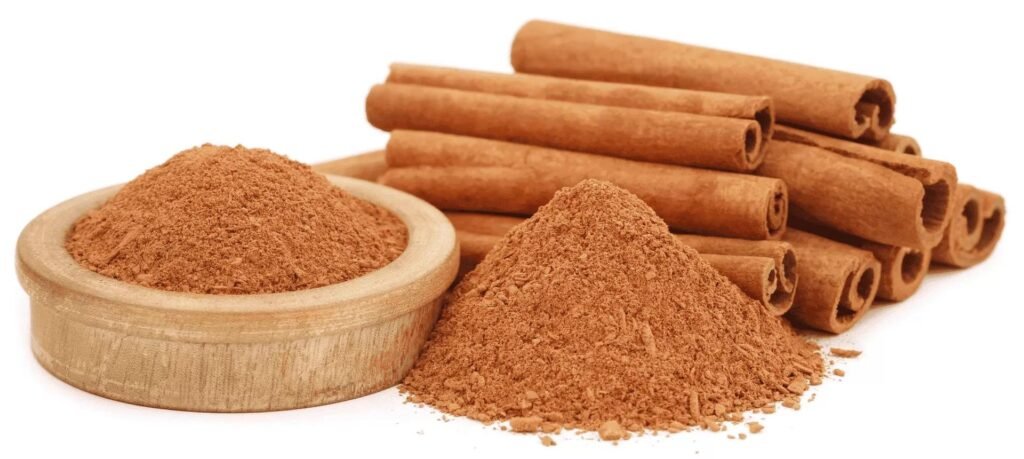
Ceylon cinnamon is lighter in colour, softer in texture and has delicate layered quills you won’t find in the thicker bark of cassia. It is grown primarily in Sri Lanka, has a milder, sweeter, more floral flavour, and is especially appealing to premium retail brands, speciality tea companies, gourmet food producers, artisan bakeries and high-end hospitality businesses.
Today its greatest commercial asset is perhaps the perception of health.
Ceylon, unlike Cassia, contains only trace amounts of a naturally occurring compound called coumarin, which is a hot topic these days among consumers and food regulators.
This differentiator has made Ceylon more attractive in markets where ingredient transparency is a factor in buying decisions.
The Coumarin Debate: Why Shoppers Are Taking Notice
Few discussions have influenced cinnamon procurement more than the coumarin discussion.
Scientific testing consistently shows that Cassia contains much higher levels of coumarin than Ceylon, which has only trace amounts.
This is important for food manufacturers that use cinnamon as a regular ingredient, as some international markets have set limits on coumarin in finished food products, prompting buyers to look more closely at ingredient sourcing.
It isn’t that Cassia is disappearing. Rather, buyers are becoming more deliberate in choosing the right cinnamon for the right application.
Which Cinnamon Is Best For Business?
The answer depends completely on your customer base.
| Factor | Cassia Cinnamon | Ceylon Cinnamon |
| Primary Origins | Indonesia, Vietnam, China | Sri Lanka |
| Price Position | More affordable | Premium |
| Flavor | Bold and spicy | Sweet and delicate |
| Industrial Use | Food processing, bakery, beverages | Premium retail, tea, gourmet products |
| Coumarin | Higher | Very low |
For importers supplying supermarkets, bakeries, food processors and spice manufacturers, Cassia often offers the best commercial economics.
Ceylon is more differentiated and more attractive to consumers for premium retail brands and specialised food businesses.
Where the Global Trade Is Headed

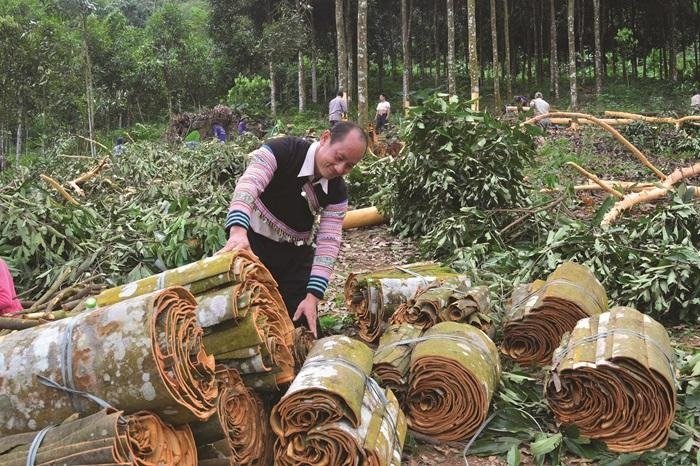

Industry research shows Cassia continues to lead the mass-market food processing segment, while Ceylon is establishing itself in premium categories where quality, traceability and ingredient transparency command a premium.
Indonesia, meanwhile, remains one of the world’s largest exporters of cinnamon, while Sri Lanka continues to define the premium Ceylon category, despite competitive pricing pressure from cheaper Cassia varieties.
For importers, this means procurement decisions are becoming more strategic than ever before.
How Tradologie.com Is Modernizing Spice Procurement
This is where digital procurement comes in.
Tradologie.com is an AI-powered transaction platform made for bulk commodity trade, unlike other B2B marketplaces that only list exporters.
Rather than endlessly browsing through supplier profiles, buyers can post structured procurement requirements. The relevant suppliers then compete by sending commercial quotations against these verified buying requirements. This procurement-first model creates real price discovery, enabling buyers to compare multiple offers.
Why Bulk Buyers Are Moving Toward Digital Procurement
Digital procurement brings tangible benefits for bulk spice importers, food producers, distributors and wholesalers. The competition among multiple suppliers for the same requirement leads to improved price discovery.
Verified suppliers mitigate the risk even before the negotiations start. The quicker you source, the shorter your procurement cycle will be.
Increased supplier diversity enhances supply-chain resilience. Dealing directly with each other improves commercial transparency and cuts out unnecessary intermediary costs. Buyers do not chase suppliers; they compare competitive commercial offers.
The Future of Cinnamon Trade
The future lies in the transformation of procurement itself.
Buyers have rising expectations for supplier verification, transparent pricing, AI-driven matching, multilingual communication, and structured digital negotiations.
What exporters really want is access to verified demand, not uncertain lead generation. Tradologie.com combines the two in a procurement ecosystem designed for bulk agricultural commodities.
The best importers are not choosing one over the other, but rather matching the right cinnamon to the right market. And they are increasingly doing this through digital procurement.