
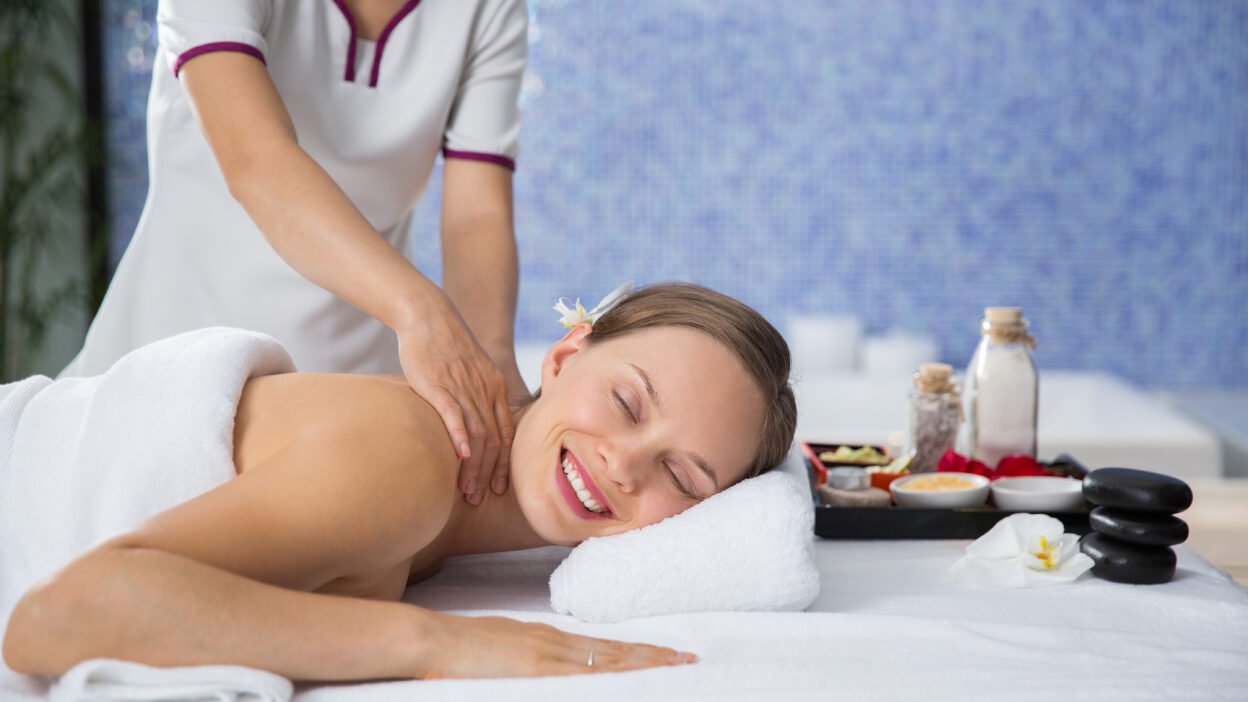
Ever had one of those days when your shoulders are practically touching your ears, your mind is racing, and even your evening feels like another item on your to-do list?
I see this often as a massage therapist. Stress doesn’t just live in your head. It can show up as tight muscles, shallow breathing, headaches, and poor sleep. If that sounds familiar, Thai massage in Richmond may be worth exploring as a part of your relaxation routine.
Can Thai Massage Help With Anxiety and Stress?
The short answer is: it may help you feel more relaxed, but it’s not a treatment for an anxiety disorder.
Thai massage combines pressure, assisted stretching, rhythmic movement, and body positioning. Unlike a typical relaxation massage, you may move through gentle stretches while your therapist works on areas of tension. The goal is to help your body loosen up while giving your mind a chance to slow down.
Research on massage and anxiety is promising but not conclusive. The NCCIH notes that some studies have found reduced anxiety after massage, while others have not. Research specifically on anxiety disorders remains limited.
So, think of it as supportive self-care, not a cure.
Why Thai Massage Might Feel Calming
When you’re stressed, your body can switch into a fight-or-flight response. Your muscles may tense, your breathing can change, and your heart rate may rise.
A massage session can give your body a break from that constant tension. Here’s what you may notice:
- Less muscular tightness: Stretching and pressure can help you feel physically looser.
- A mental pause: Lying down and stepping away from work, phones, and daily demands gives your brain some breathing room.
- Better body awareness: Slow, guided movements can help you focus on what your body feels right now.
- A sense of relaxation: The quiet environment and hands-on treatment can make it easier to switch off.
An authentic Thai massage session can therefore feel especially useful when your stress is accompanied by stiffness or physical tension.
Thai Massage vs Other Massage Styles For Stress
There’s no single “best” massage for everyone. Your choice should depend on what your body needs and what helps you relax.
| Massage Style | What It May Suit |
| Thai massage | Stretching, mobility, and physical tension |
| Swedish massage | Gentle relaxation and overall stress relief |
| Thai foot massage | Tired feet and a relaxing break |
| Deep tissue | Persistent muscular tightness |
A foot and body massage can also be a comfortable option if you want both focused foot work and full-body relaxation.
What Should You Expect From a Thai Massage?
If you’re new to it, tell your therapist that stress or anxiety is your main concern. Good communication matters. Your therapist can adjust pressure, pace, and stretches based on your comfort.
At Palais France Massage, for example, they ensure a peaceful setting and trained professionals who provide customized treatments. Their Thai massage includes yoga-style stretching and back walking, which you can combine with aromatherapy.
This kind of personalized approach matters. Massage should never feel like something you simply have to “push through.”
If convenience is important, you can book Thai massage online and choose a time when you aren’t rushing between work and other commitments.
When Should You Seek Professional Help?
Massage can be a useful addition to your wellness routine, but persistent anxiety deserves proper attention. NCCIH notes that anxiety disorders are generally treated with methods such as psychotherapy, medication, or both.
If anxiety is interfering with your work, relationships, sleep, or everyday life, speak with a qualified healthcare professional. Best Massage therapy in Richmond can complement your self-care routine, but shouldn’t replace appropriate mental-health treatment.
And if you have an injury, recent surgery, pregnancy, or another health concern, check with your healthcare provider before receiving massage.
Thai massage may help you relax, release physical tension, and create a little breathing room in a stressful week. If your body feels wound up and your mind needs a pause, it can be a worthwhile addition to your self-care routine.
The trick isn’t to expect one session to fix everything. Think of it as giving your body permission to slow down.
FAQs
1. Is Thai massage good for relaxation and better sleep?
Thai massage may help you unwind by combining pressure, stretching, and rhythmic movements. When physical tension eases, you may find it easier to relax afterward. However, massage is not a guaranteed treatment for sleep problems or anxiety, so persistent symptoms should be discussed with a healthcare professional.
2. What should I expect from a Thai massage for stress relief?
During Thai massage, your therapist may use assisted stretching, rhythmic pressure, and techniques such as back walking. At Palais France Massage, Thai massage includes yoga-style stretching and back walking, with sessions available in 60- and 90-minute options.
3. Is Thai massage better than Swedish massage for stress?
Neither is automatically better. Thai massage focuses more on stretching, pressure, and mobility, while Swedish massage generally uses flowing strokes for relaxation. If stress comes with stiffness or restricted movement, Thai massage may suit you. Your comfort and personal preference should guide your choice.



[…] Also Read: How Thai Massage Therapy Helps With Anxiety and Stress […]
[…] Also Read: How Thai Massage Therapy Helps With Anxiety and Stress […]
[…] Also Read: How Thai Massage Therapy Helps With Anxiety and Stress […]