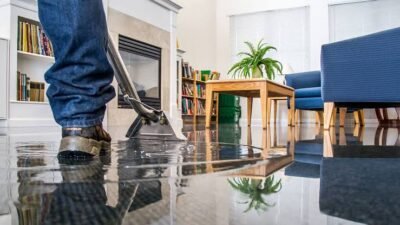
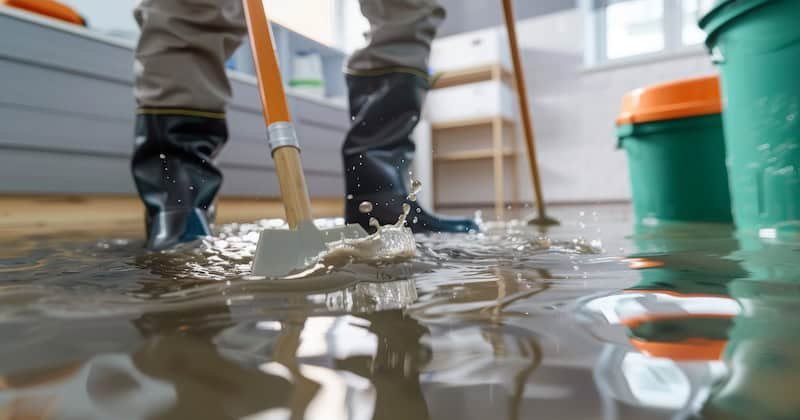
Water damage can happen because of a broken pipe, leaking roof, overflowing appliance, heavy rain, or flooding. Even a small amount of water can cause bigger problems if you do not clean it up quickly. Moisture can stay inside walls, floors, carpets, and furniture and create the right conditions for mold to grow. Water damage restoration helps remove water, dry wet areas, and reduce the risk of mold.
How Water Damage Causes Mold
Mold needs moisture to grow. After water enters your home, it can soak into drywall, wood, carpet, insulation, and other materials. These materials can stay wet even after you remove the visible water.
Mold can start growing within 24 to 48 hours when the conditions are right. Hidden moisture makes the problem more difficult because you may not see it. Water can collect behind walls, under floors, or inside cabinets.
That is why you should deal with water damage as soon as possible.
Removes Standing Water
The first step in water damage restoration is removing standing water. Professionals use pumps, wet vacuums, and other equipment to remove large amounts of water quickly.
Fast water removal stops water from soaking deeper into floors, walls, and furniture. It also lowers the amount of moisture that mold needs to grow.
You should not ignore small amounts of standing water. Even a small puddle can move into cracks, flooring, and other materials. Professional water extraction helps remove visible water before it causes more damage.
Dries Wet Areas Completely
Removing standing water does not solve the entire problem. Wet materials can still hold moisture after water extraction.
Restoration professionals use air movers and dehumidifiers to dry wet areas. They also use moisture meters to check whether materials have dried properly.
For example, a wall may look dry on the outside while moisture remains inside. Professionals check these areas and continue drying until moisture levels return to a safe range.
Complete drying helps stop mold before it gets a chance to grow.
Finds Hidden Moisture
Water does not always stay where you can see it. It can move behind walls, under floors, inside ceilings, and into insulation.
Professionals use moisture detection tools to find these hidden wet areas. They can then dry the affected materials or remove materials that suffered severe damage.
Finding hidden moisture early can prevent a small water problem from becoming a large mold problem.
Protects Walls and Insulation
Drywall and insulation can absorb a lot of water. When they stay wet for too long, they can weaken and create a good place for mold to grow.
Restoration professionals inspect these materials after water damage. If they can save the materials, they dry them properly. If the damage is too severe, they may recommend removing and replacing them.
This process helps protect the structure and lowers the risk of future mold growth.
Controls Indoor Humidity
High indoor humidity can keep your home damp even after you remove standing water. Moist air can also slow down the drying process.
Restoration teams use dehumidifiers to remove excess moisture from the air. They may also use fans and air movers to improve air circulation.
Lower humidity helps wet materials dry faster and makes your home less suitable for mold growth.
Cleans Affected Areas
Water damage can bring dirt, bacteria, and other contaminants into your home. Floodwater can carry even more harmful materials.
After removing the water, professionals clean affected surfaces and belongings using suitable cleaning methods. They may also sanitize areas that need extra treatment.
If mold has already started growing, you may need professional mold remediation. Water cleanup alone will not remove an existing mold problem.
Helps Prevent Structural Damage
Water can damage more than your belongings. It can also weaken wood, damage drywall, stain ceilings, and ruin flooring.
When you remove water quickly and dry the property properly, you can limit these problems. Fast restoration can also reduce the chance of hidden moisture causing damage later.
Taking action early often makes the restoration process easier and less expensive.
Why You Should Act Quickly
Time matters after water damage. The longer water stays inside your home, the more damage it can cause.
You should act quickly when you notice a leak or flood. If it is safe, stop the source of the water and move valuable items away from the affected area. Then contact a professional restoration company.
A professional team can inspect your property, remove standing water, find hidden moisture, and dry affected areas.
Quick action can greatly reduce the conditions that allow mold to grow.
Signs You May Have a Moisture Problem
You may have a moisture problem if you notice:
- A musty smell
- Wet or damp walls
- Water stains on ceilings
- Warped or swollen flooring
- Damp carpets
- Peeling paint or wallpaper
- Condensation on windows
- Visible mold
- Higher indoor humidity
Do not ignore these signs. A small moisture problem can become a larger issue if you leave it untreated.
When Should You Call a Professional?
You should consider professional water damage restoration when:
- A pipe breaks and releases a large amount of water.
- Floodwater enters your home.
- Water reaches your walls, ceilings, or floors.
- Your basement or crawl space floods.
- Water gets under your flooring.
- You suspect moisture behind a wall.
- You cannot dry the affected area completely.
- Sewage or dirty water enters your home.
- You notice a musty odor after water damage.
Professionals have the right equipment to remove water and dry areas that you may not be able to reach yourself.
Conclusion
Water damage can quickly create the moisture that mold needs to grow. Professional water damage restoration helps prevent this problem by removing standing water, drying wet materials, finding hidden moisture, controlling humidity, and cleaning affected areas.
The best way to reduce mold risk is to act quickly. Do not wait until you see mold. Contact a professional restoration company as soon as possible after water damage. Fast and proper cleanup can help protect your home, reduce damage, and keep your living space dry and healthy.