
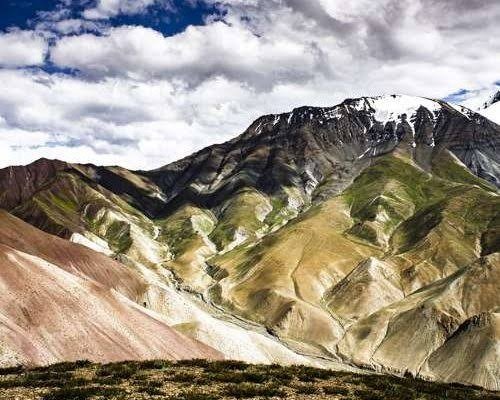
Hemis National Park is one of the known natural homes of the elusive snow leopards. The park, which is in eastern Ladakh, has deep valleys, rocky mountains, and little vegetation, all of which combine to create a setting where these creatures can stay hidden.
Hemis offers more to snow leopard trekking in Ladakh than just the thrill of seeing a rare predator. Observing animal behaviour in a remote Himalayan ecosystem and comprehending its habitat are both part of the experience.
A Natural Habitat for Snow Leopards
The reserve is home to snow leopards alongside Himalayan ibex, blue sheep, red foxes and other high-altitude wildlife. The species play an important role in maintaining ecological balance in the area.
The snow leopards are hard to spot due to their grayish-white fur that helps them blend in with the rocky slopes. Since animals may travel to lower altitudes in pursuit of prey, winter is typically regarded as a fruitful time to track them.
Dramatic Landscapes Along the Trail
Trekking trails wind their way up steep mountain ranges, valleys, and passes, offering different scenery along the way. This barren landscape offers a perfect setting for animal watching.
The mountains, frozen streams, and far-off peaks are especially striking despite the area’s lack of vegetation. Trekkers should keep in mind that the terrain can be difficult, particularly in the winter when conditions can change rapidly.
A Trek Built Around Patience
Snow leopard trekking in Ladakh is different from conventional Himalayan trekking. Moving silently, using binoculars to scan slopes, and keeping an eye out for signs of wildlife make up a large portion of the experience.
Local wildlife trackers and guides can be helpful because they are familiar with the terrain, seasonal conditions, and animal movement. They can locate wildlife without disturbing it thanks to their expertise.
Connection with Ladakh’s Mountain Culture
The communities and monasteries that surround Hemis National Park contribute to the cultural landscape of Ladakh. Trekkers may come across Buddhist monasteries, traditional villages, and regional traditions while travelling.
You can reach impressive Ladakh trekking peaks via certain routes and the surrounding areas. These call for the proper equipment, experience, and preparation.
Best Time for the Trek
The best time will depend on the nature of the trip being planned. Many wildlife lovers favour winter because snow leopards are easier to spot in this season since they can be found at lower elevations. However, temperatures may be very cold, and the paths may be covered with snow.
For those who would like to hike comfortably, warm weather would be preferable, though it may be harder to spot the snow leopards. Hemis is at a significant altitude, so appropriate acclimatisation is necessary regardless of the season. For visitors who are not familiar with high-altitude conditions in general, this makes preparation particularly crucial.
Responsible Wildlife Tourism
It is important for tourists to keep away from animals and behave calmly to avoid disturbing them in any way. It is also advisable to use professional local guides to minimise disturbance.
Visitors should abide by park rules, refrain from littering, and bring sunscreen, water, and appropriate clothing. The ecosystem is not harmed by wildlife observation thanks to responsible tourism.
Planning the Trek with Dream Ladakh
Dream Land assists travellers with the practical aspects of traversing isolated, high-altitude terrain in order to help them plan snow leopard trekking in Ladakh. They can help by setting up trekking routes, hiring local guides, and assisting travellers in getting ready for any weather or conditions they might encounter while travelling. Having people who are familiar with the area can also enhance the significance of wildlife observation, as tracking snow leopards requires patience and landscape knowledge.
The company is dedicated to assisting tourists in discovering Ladakh’s more subdued aspects, such as its untamed mountain scenery, distinctive fauna, and local environment. Such advice can make it simpler for visitors to Hemis National Park who are specifically looking for snow leopards to responsibly explore the area while still having enough time to enjoy the trekking experience as a whole.
Conclusion
A recognised snow leopard habitat, breathtaking high-altitude scenery, a vibrant local culture, and opportunities for close wildlife observation are all features of Hemis National Park that are hard to duplicate. The trek is unforgettable because it requires preparation and patience.
Hemis offers visitors looking for snow leopards in Ladakh an experience that goes beyond just looking for an animal. It’s a chance to discover how wildlife endures in a harsh environment while touring one of the Himalayas’ most unique landscapes.