Most people notice brake trouble the same way, with a little shudder, a strange pull, or a stop that takes longer than it used to. It is easy to tell yourself it will wait until after this one last haul. A trailer pushes a lot of weight, though, and weak brakes give you less margin than you think. If you are researching Brake Repair in San Antonio TX, this post shares what I have learned about warning signs, inspections, and smart decisions. Teams such as JMaster Trailer Repair see the consequences of delay all the time, and almost every one of those stories started with a symptom that was ignored.
A Quick Story From the Shop Floor
A while back, a customer pulled in with a loaded utility trailer and said it felt a little heavy when stopping. Nothing dramatic, just a vague sense that the trailer was pushing the truck. Under the wheels, one brake assembly had worn almost to metal and another was barely working at all. The trailer had been sharing the load across uneven brakes for months, which wore everything faster, including the tires. Catching it a few weeks earlier would have meant a simple adjustment and a pair of shoes. Stories like this are why I never tell anyone to wait and see. The owner left that day relieved, not because the repair was cheap, but because he understood how close the trailer had been to a much worse outcome on the highway.
How Trailer Brakes Actually Work
Electric Brakes and the Controller
Many trailers use electric brakes. When you press the pedal, the brake controller in the tow vehicle sends current to a magnet inside each drum, which pulls the shoes against the surface. If the controller is set wrong, the wiring is corroded, or a magnet fails, the trailer will not help you stop. Poor connections are one of the most common causes of weak electric braking, which is why a clean plug and tight ground wire deserve as much attention as the brake parts themselves.
Hydraulic and Surge Systems
Other trailers use a hydraulic surge setup, where the actuator at the coupler reacts as the trailer pushes forward during braking. These systems rely on clean fluid, healthy lines, and a properly functioning actuator. Air bubbles, leaks, or a sticky piston can turn a firm stop into a long, uncertain one.
Why Wear Is Not Always Even
Brakes on one side can wear faster because of alignment, a dragging hub, or contaminated shoes. Heat from long downhill runs and Texas summers speeds up the process. That uneven wear is why a quick glance from the outside rarely tells the whole story. Dust, road grime, and rust on the backing plates can also hide cracks or leaks until the wheel comes off.
Warning Signs You Should Never Shrug Off
Pay attention to the trailer pulling to one side, a grinding or squealing sound, a burning smell after a drive, or a hub that feels unusually hot. Longer stopping distances, a pedal that feels different, or the trailer surging against the truck are also red flags. A brake light on the controller that behaves strangely deserves attention too. None of these are normal, and none of them tend to improve on their own. The sooner you act, the more likely the repair stays small and affordable, and the less likely you are to damage tires, bearings, and the tow vehicle. If a symptom appears only occasionally, write down when it happens, such as after rain or on long downhill grades, because that pattern helps a technician track it down quickly.
What a Proper Brake Inspection Looks Like
Pull the Wheels and Look Closely
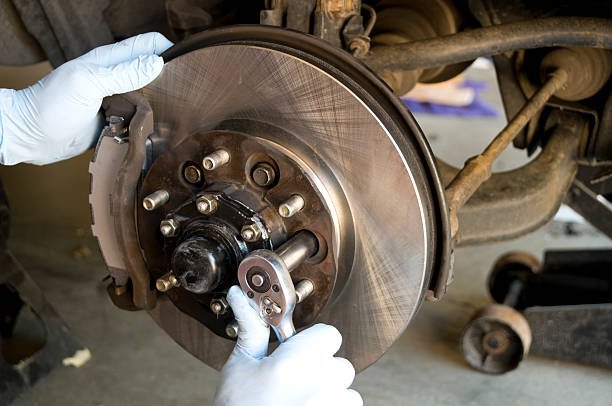
A real inspection means removing the wheels and drums to see the shoes, magnets, springs, and hardware. Technicians measure remaining lining, check for cracks or glazing, and look for oil or grease contamination. Without that step, any estimate is only a guess. Ask the technician to show you what they found, since seeing a worn shoe or a scored drum in person makes the recommendation easy to understand.
Test the Electrical and Hydraulic Side
Next comes testing current at the magnets, checking the controller output, and examining the plug and wiring. On hydraulic systems, the technician inspects lines, fluid, and the actuator. Choosing Brake Repair in San Antonio TX from a shop that tests the whole system, not just the visible parts, prevents the same problem from coming back.
Repair or Replace? Making the Call
If the lining is thin but the drums are smooth and the hardware is healthy, a new set of shoes and a careful adjustment may be all you need. When drums are scored, magnets are weak, or springs are fatigued, replacing those parts together is usually smarter than patching one piece at a time. Replacing in pairs on the same axle keeps braking balanced, which matters more than most owners realize, and it protects tires from the uneven wear that follows lopsided stopping power. A good shop will show you the worn parts, explain why a repair is needed, and give you the choice instead of pushing for the biggest job. Honest Brake Repair in San Antonio TX should leave you feeling informed, not pressured.
Final Thoughts
Brakes are the last system you want to gamble on, especially with a loaded trailer behind you. Learn the warning signs, schedule regular inspections, and act early when something feels off. When you are ready for help, contact a trusted Brake Repair in San Antonio TX team and ask for a full inspection before any work begins.
Frequently Asked Questions
How often should trailer brakes be inspected?
Many owners have them checked at least once a year, or sooner if they haul heavy loads often. Frequent towing, steep terrain, and wet conditions can shorten that interval. A regular inspection is far cheaper than repairing the damage caused by worn brakes.
Why does my trailer pull to one side when braking?
One-sided pulling often means the brakes are working unevenly, which can come from a weak magnet, contaminated shoes, or a seized component. It can also point to uneven tire pressure or an alignment problem. It is worth having checked promptly, because it affects control and safety.
Can I adjust trailer brakes myself?
Some owners can make basic adjustments if they have the right tools and experience. The risk is overlooking an underlying problem like worn shoes or a bad connection. When in doubt, have a professional inspect the system first.
Is a spongy or weak brake controller a trailer problem?
Not always, since the controller, wiring, and tow vehicle connection can all cause weak braking. A technician tests each part to find the true source. That prevents you from replacing parts you do not need.
How long does a brake repair usually take?
A simple service on one axle can often be done in a few hours. Bigger jobs involving drums, magnets, or hydraulic parts may take longer, especially if parts need to be ordered. Your shop can give a clear estimate after the inspection.