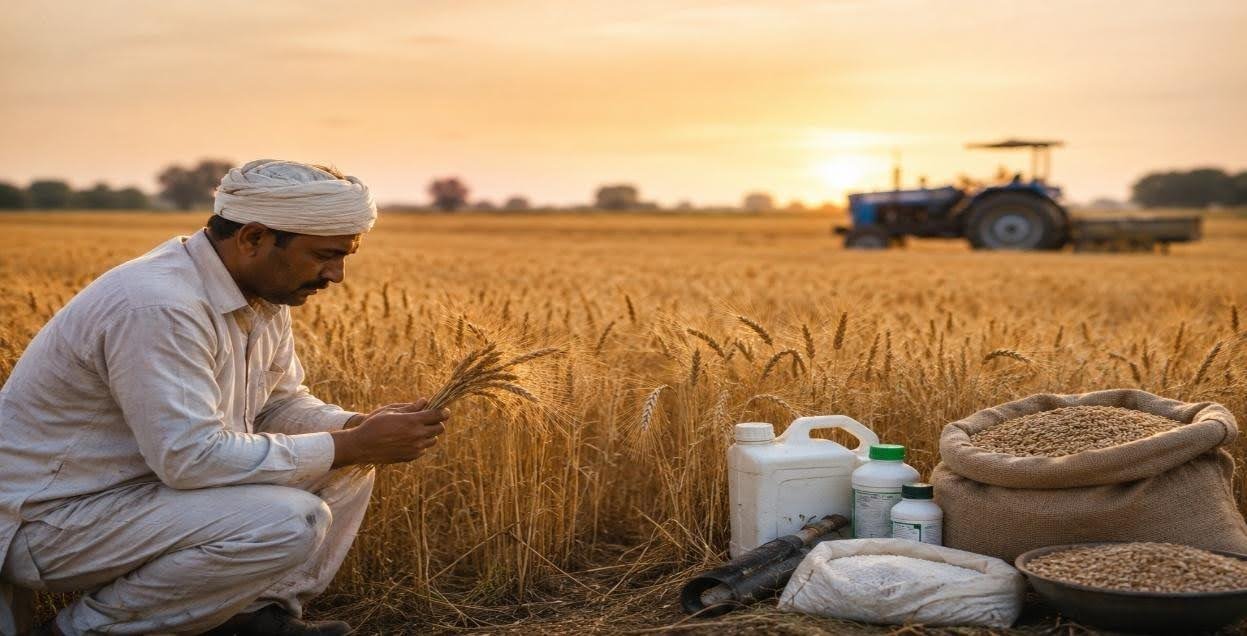
There’s a guy who farms wheat out in rural Kansas, and somewhere along the way he picked up a habit he never used to have, checking grain prices on his phone before he’s even out of bed properly. Not because he’s trying to time some big trade or anything like that. Fertilizer jumped again this season. Fuel’s not getting any cheaper either. And the only way any of it pencils out is if wheat prices hold up or ideally creep a bit higher. That back and forth, watching costs climb while keeping half an eye on where prices might land, is pretty much the whole wheat price trend story for anyone actually out working the ground instead of just reading about it somewhere.
Wheat isn’t just bread and cereal, not by a long shot. It feeds livestock, gets pulled into biofuel production, moves through export markets scattered across half the planet, plus a dozen smaller supply chains most people never think twice about. So, when the wheat price trend shifts, even a little, it doesn’t just sit there on some trading floor far away from anyone who actually grows the stuff. It shows up right in a farmer’s decision about whether to plant more acres come spring or pull back, whether to lock a price in now or wait it out and hope.
Why the Wheat Price Trend Matters More Than Ever?
Easy enough to assume farmers just accept whatever price shows up and move along. Doesn’t really work that way anymore though. Input costs, seed, fertilizer, fuel, keeping equipment running, all of its crept upward steadily over the last few years, and margins have gotten squeezed as a result. So, when wheat prices move now, that effect on actual profitability doesn’t get absorbed quietly the way it may be used to. It hits harder.
A good harvest by itself doesn’t guarantee a good year financially, and that catches people off guard sometimes. If wheat prices drop right as input costs stay stubbornly high, a farmer can end up worse off than in a season with a smaller yield sold at a stronger price. Growers aren’t imagining this squeeze either, it’s a real math problem a lot of them are stuck running every single season now, which is probably the whole reason pricing trends get watched so much more closely than they used to be a decade or so back.
What’s Pushing Input Costs Up
A few things have been driving this at once:
- Fertilizer prices tied closely to energy markets and global supply disruptions
- Fuel costs affecting everything from running tractors to hauling grain to elevators
- Equipment parts and routine maintenance creeping upward year over year
- Weather and trade shifts in other wheat-growing regions rippling into local pricing
None of this happens off in isolation somewhere. Global events, weather patterns halfway across the world in other wheat-growing regions, currency shifts, trade policy changes, they all end up rippling into input costs and wheat prices together. A drought somewhere overseas can end up affecting what a farmer in the Midwest pays for fertilizer months down the line. Strange how connected the whole system is for something that feels, standing in a single field, about as local as it gets.
How Farmers Are Responding to the Squeeze
Nobody’s just sitting around hoping prices fix themselves. Common adjustments showing up across wheat country include:
- Splitting grain sales across different windows instead of selling everything right after harvest
- Locking in forward contracts for price certainty, even if it means missing a later spike
- Delaying equipment upgrades and cutting optional inputs not strictly needed for yield
- Leaning more on cooperative extension programs and local agronomists for efficiency guidance
None of it’s glamorous. Every input decision now has to earn its place against current pricing instead of just happening out of habit because that’s how things were always done.
The Ripple Effect on Rural Communities
That squeeze on wheat farming rarely stops at the farm gate. It tends to spread into:
- Local equipment dealers seeing slower business
- Seed suppliers dealing with more cautious buyers
- Small-town banks extending operating loans more carefully
Most rural economies depend heavily on agricultural spending to stay afloat, so once margins get tight across a whole region, the effects spill well past the farm gate itself, into slower foot traffic at equipment dealers, postponed upgrades, and lenders tightening up what they’re willing to approve. This kind of shift doesn’t happen overnight, and it’s rarely something outsiders notice right away, but it’s been building steadily across wheat country these past couple of seasons.
Looking Ahead
Where wheat prices go from here, honestly, nobody can say with any real certainty, and whoever tells you they can is probably stretching the truth a bit. The more useful move for farmers is staying on top of input costs, keeping tabs on the market generally, and leaving enough room in their operations to absorb a rough pricing year without it wiping them out entirely. That’s the actual point buried in all this talk about trends, less about guessing the market right and more about being able to handle whatever it throws next.
Conclusion
Farming’s always carried some degree of uncertainty, weather, pests, timing, none of that’s new or surprising to anyone who’s done it for a while. The wheat price trend is just one more variable thrown into that mix, though it’s gotten a lot harder to shrug off given how tightly it’s now tied to input costs. Farmers keeping a close watch on it aren’t doing anything particularly flashy. They’re just trying to protect a livelihood that depends on getting the timing and the math right, season after season, in a market that rarely makes either one easy.
FAQs:
Why do rising input costs matter so much alongside wheat prices?
Because profitability really comes down to the gap between the two. If input costs climb faster than wheat prices do, even a strong harvest can end up barely breaking even, sometimes worse.
What’s driving fertilizer and fuel costs up for wheat farmers?
A combination, mostly, energy markets acting up, global supply chains still recovering from disruptions, plus weather and trade issues in other wheat-growing countries that eventually work their way into local input prices.
How are farmers managing price volatility right now?
A mix of things, really: staggered grain sales, forward contracts for some certainty, and trimming back on spending that isn’t strictly essential until margins ease up a bit.
Does the wheat price trend affect anyone beyond individual farms?
Yes, it reaches well past the farm gate, touching equipment dealers, seed suppliers, and even the local banks that farmers rely on for operating credit each season.
Is it worth trying to time the market based on price trends?
Not really. Most people who study this stuff would rather see farmers focus on flexibility and cost control than chase perfect timing, since even professionals get it wrong more often than they’d like to admit.