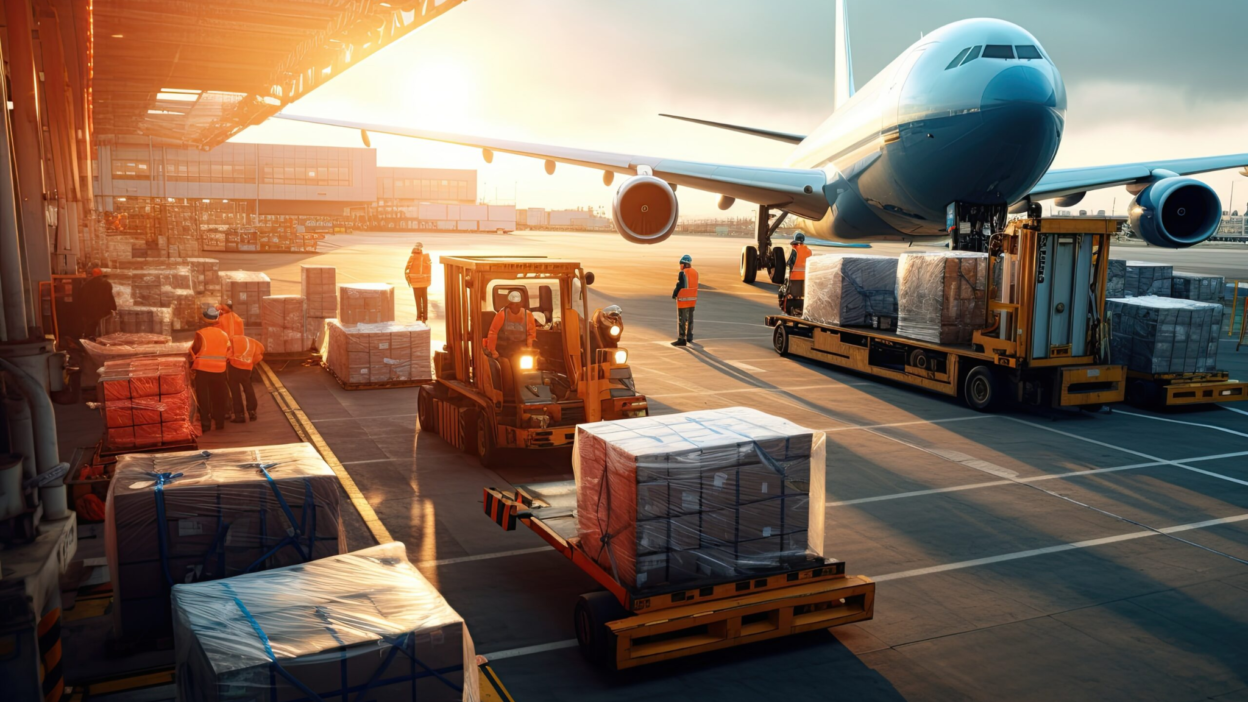
Global trade relies on the ability to move products between markets efficiently, securely and within agreed delivery schedules. As businesses expand their customer base beyond domestic borders, logistics becomes an important part of maintaining competitiveness. Manufacturers need to reach international buyers, retailers must replenish stock, and distributors require dependable transportation arrangements to keep their operations running smoothly.
Air cargo supports these requirements by offering a comparatively fast way to transport goods across long distances. It is particularly valuable for high-value products, urgent industrial components, pharmaceuticals and time-sensitive commercial shipments. India’s growing role in international trade has made effective cargo coordination increasingly important, with businesses requiring more than transportation alone to manage documentation, customs procedures and delivery planning.
India’s Growing Role in Air Cargo Logistics
India’s air cargo ecosystem connects domestic producers with customers, suppliers and distribution networks around the world. Airports, airlines, cargo terminals, freight forwarders and customs service providers each contribute to the movement of goods. Together, these participants help businesses transport shipments between manufacturing centres, export gateways and international destinations.
Demand for air cargo is influenced by several factors, including manufacturing activity, e-commerce, international sourcing and the need for shorter delivery cycles. Products such as electronics, engineering components and healthcare supplies may require faster transportation because delays can affect production, customer commitments or product availability. Air freight provides an option when the value of time outweighs the additional transportation cost.
For businesses, choosing a suitable logistics arrangement starts with understanding the shipment’s purpose. Some goods require rapid delivery, while others can move through more economical modes of transport. Comparing urgency, cargo dimensions, destination and handling requirements helps companies determine whether air transportation is the right choice for a particular consignment.
Understanding the Air Cargo Transportation Process
Moving cargo internationally involves several connected stages. The process may begin with collecting goods from a supplier or warehouse, checking the shipment details and preparing the necessary documentation. Cargo is then transported to the relevant airport, processed for departure, carried to its destination and handled through arrival procedures before final delivery.
Each stage requires accurate information and coordination. Incorrect cargo dimensions, incomplete paperwork or unclear delivery instructions can create avoidable delays. Businesses should therefore provide reliable details about the goods, their declared value, packaging and destination before confirming the shipment.
A freight forwarder can coordinate several parts of this process, depending on the agreed service. This may involve arranging transportation, liaising with carriers, assisting with shipping documentation and coordinating customs-related requirements. Confirming which responsibilities are included helps shippers understand their own obligations and avoid assumptions about the scope of service.
Choosing Between Air Freight and Other Transport Modes
Air freight is not necessarily the best option for every shipment. Its principal advantage is speed, making it suitable for goods that need to reach their destination within a shorter timeframe. However, the total cost can be higher than sea or road transportation, particularly for bulky cargo or shipments that do not require urgent delivery.
Sea freight may be more suitable for large consignments, heavy equipment or inventory that can accommodate longer transit periods. Road transportation can support domestic distribution and cross-border movement where routes and infrastructure make it practical. In many supply chains, different modes are combined to balance cost, delivery time and geographical reach.
Businesses should assess the consequences of a delayed delivery before selecting a transportation method. If a missing component could interrupt a production line, faster shipment may offer significant operational value. If the goods are replenishment stock for a future sales period, a slower and more economical option may be sufficient. A well-planned logistics strategy assigns each shipment the mode that best fits its requirements.
Selecting the Right Logistics Partner
A suitable logistics partner should understand the shipment’s requirements and communicate clearly about the available options. Businesses should consider destination coverage, route availability, expected transit time, documentation support and procedures for handling delays. The ability to explain charges and responsibilities is equally important when comparing service providers.
When researching Air cargo companies in India, businesses should evaluate whether a provider can coordinate the particular shipment they need to move. Relevant considerations include the type of cargo, shipment size, destination, delivery deadline and any special handling requirements. Companies should also confirm whether the quoted service covers airport-to-airport movement or includes collection and final delivery.
Price comparisons are most useful when quotations cover comparable services. One quotation may include collection, customs coordination and delivery, while another may cover only the main air transportation. Reviewing these differences helps businesses understand the full cost and reduces the risk of unexpected charges later in the process.
Managing International Shipping Documentation
Documentation is central to the movement of goods across international borders. Depending on the shipment, the required paperwork may include a commercial invoice, packing list, air waybill, export declarations and documents requested by customs authorities or the destination country. The exact requirements vary according to the goods, route and applicable regulations.
Accuracy matters because discrepancies between documents can lead to additional checks or clearance delays. Businesses should ensure that product descriptions, quantities, declared values, shipper details and consignee information are consistent. Restricted or regulated goods may require permits, declarations or specific handling procedures, which should be confirmed before dispatch.
Customs clearance should be considered when estimating the overall delivery timeline. The duration of a flight does not represent the complete journey, since cargo must also pass through departure processing, arrival handling and any applicable border checks. Planning these stages realistically helps businesses set appropriate expectations with customers and internal teams.
Improving Visibility and Delivery Coordination
Shipment visibility helps businesses understand where goods are in the transportation process and what needs to happen next. Tracking updates may identify milestones such as cargo collection, departure, arrival or release from a handling facility. This information supports inventory planning and makes it easier to communicate with customers when delivery schedules change.
However, tracking information should be interpreted carefully. Arrival at an airport does not necessarily mean that a shipment has cleared customs or is ready for delivery. Businesses should establish which milestones are monitored and how updates will be shared when a delay, documentation issue or schedule change occurs.
Communication between suppliers, logistics providers, carriers and receiving teams is especially important when shipments involve several stages. Accurate contact details, prompt responses and clear delivery instructions can reduce avoidable interruptions. For businesses managing recurring shipments, standardising these processes can improve coordination over time.
The Role of International Cargo Networks
International logistics connects manufacturers and sellers with customers across multiple countries. These networks depend on transportation capacity, airport infrastructure, customs processes and coordination between organisations operating under different regulatory systems. A disruption at one stage can affect the wider shipment schedule, making planning and communication essential.
Businesses working with international cargo companies should understand how their shipments will move from origin to destination. Questions about routing, connecting services, handling arrangements and delivery responsibilities can reveal whether the proposed solution fits the shipment’s requirements. Companies should also clarify how changes to schedules or routing will be communicated.
International shipments may involve additional considerations such as insurance, currency, import duties and destination-specific requirements. These should be reviewed before the cargo is dispatched, rather than after it reaches the receiving country. Clear commercial terms and complete documentation help all parties understand their responsibilities throughout the process.
Balancing Cost, Speed and Reliability
Effective cargo planning requires businesses to balance competing priorities. Faster transportation can reduce waiting time and support urgent operations, but it may increase logistics expenditure. Slower options may be more economical, yet they require careful inventory planning and enough time to accommodate transport and clearance.
Companies can improve their decisions by categorising shipments according to urgency and operational importance. Critical replacement parts may justify premium transportation, whereas routine stock can often be scheduled through a more economical route. Consolidating shipments may also reduce costs when the required delivery window permits it.
Regularly reviewing delivery performance, additional charges and communication quality can help businesses identify opportunities for improvement. Over time, these reviews provide useful evidence for selecting transportation modes and adjusting logistics arrangements as demand changes.
Building Stronger Connections Through Reliable Logistics
As international trade develops, businesses need logistics arrangements that align with their operational priorities and customer commitments. Careful shipment planning, accurate documentation and clear communication can reduce avoidable complications and make cross-border transportation easier to manage.
For companies seeking cargo coordination and freight support, AVR Logistics can be considered when evaluating suitable logistics options. By confirming service scope, discussing shipment requirements and planning each stage in advance, businesses can make informed transportation decisions and strengthen their connections with markets across the world.