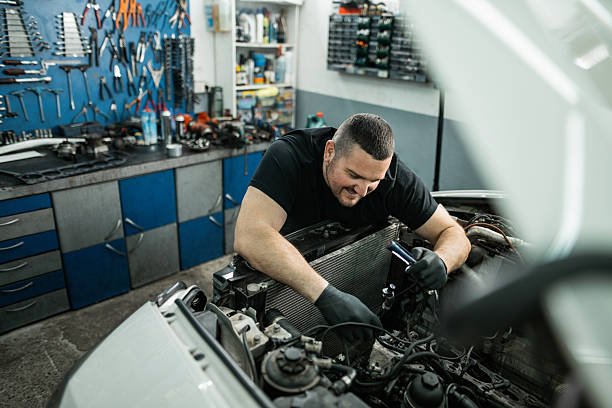
A radiator rarely gets attention until the temperature gauge starts climbing on a hot afternoon. In a high desert city like Sparks, summer heat and mountain grades put real strain on a cooling system. Many drivers wait too long and end up paying for engine damage instead of a simple fix. The Auto Hospital is a local shop that helps drivers deal with these problems before they turn into costly breakdowns. Here is what to know about auto radiator repair service in Sparks NV before your next trip.
Why Your Radiator Matters More Than You Think
Your radiator moves heat away from the engine by circulating coolant through a network of thin passages. When that system works, you never think about it. When it fails, an engine can overheat in minutes and cause warped cylinder heads or a blown head gasket. Treating the radiator as a core part of regular maintenance is far cheaper than repairing the damage that follows.
Warning Signs You Should Never Ignore
Cars usually give hints before a radiator fails completely. Watch for these:
- A temperature gauge that runs hotter than normal
- Coolant puddles under the car, often green, orange, or pink
- A sweet smell coming from the engine bay
- Steam rising from under the hood
- Coolant levels that keep dropping
- Rust colored or sludgy fluid in the reservoir
If you notice any of these, pull over safely and let the engine cool before opening anything.
What Happens Inside a Failing Cooling System
Clogged Passages and Old Coolant
Over time, coolant breaks down and loses its ability to resist corrosion. Rust and scale then collect inside the radiator and block flow. A clogged core cannot shed heat, so the engine runs hotter even when everything else looks normal.
Failing Hoses and Water Pump
Rubber hoses soften, crack, or swell with age and heat. A weak water pump can also leave coolant sitting still instead of circulating. These parts often wear out around the same time as the radiator, so a thorough inspection looks at the whole system.
What a Professional Visit Involves
Pressure Testing the System
A technician starts by pressure testing the cooling system to find slow leaks you cannot see. This quick step shows whether the problem is the radiator, a hose, the cap, or a gasket. Guessing without testing wastes both time and money.
Flushing and Refilling Coolant
A proper flush removes old fluid and loose debris before new coolant goes in. The right mix matters, since the wrong coolant type or ratio can cause corrosion or poor heat transfer. Your owner’s manual lists what your vehicle needs.
Replacing or Repairing Parts
Small leaks and minor damage can sometimes be repaired, while corroded or cracked radiators need replacing. Thermostats, caps, and hoses are usually inexpensive to swap. A dependable auto radiator repair service in Sparks NV will explain each option and show you the worn parts.
Repair or Replace? Making the Call
Age and condition decide the answer. A newer radiator with a small leak may be a good repair candidate, while one with heavy corrosion or repeated failures usually costs more to patch than to replace. When you speak with an auto radiator repair service in Sparks NV, ask what the inspection found and how long each option should last. A straight answer is a good sign.
Choosing a Shop You Can Trust
Look for Certified Technicians
ASE certification shows a technician has passed recognized industry testing. Experience with your vehicle make also helps, especially on newer cars with complex cooling layouts. Do not hesitate to ask about credentials.
Ask for Clear Estimates
Request a written estimate that separates parts, labor, and fluids. Ask about warranty coverage on both. Shops that welcome these questions tend to stand behind their work.
Simple Habits That Protect Your Radiator
Check Coolant Regularly
Look at the reservoir level when the engine is cold, and top off with the correct coolant if it is low. Never open the radiator cap on a hot engine. Steam and pressurized fluid can cause serious burns.
Watch the Seasons
Sparks sees hot summers and freezing winters, and both stress the cooling system. A check before summer and another before winter help catch problems early. Follow your manufacturer’s schedule for a full coolant service.
Final Thoughts
A healthy radiator keeps your engine safe and your repair bills predictable. If you notice warning signs, book a visit with a trusted auto radiator repair service in Sparks NV before a small issue becomes a roadside problem. A little attention now keeps your car cool and reliable all year.
Frequently Asked Questions
How often should radiator coolant be changed?
Most manufacturers suggest a coolant change somewhere between every 30,000 and 100,000 miles, depending on the vehicle and the coolant type. Your owner’s manual gives the exact interval. Shorter intervals make sense if you drive in extreme heat or tow often.
Can I drive with a leaking radiator?
It is risky. Even a small leak can drain coolant quickly and lead to overheating. If you must move the car, drive only a short distance and keep an eye on the gauge. Having it towed is usually the safer choice.
How long does radiator repair usually take?
Simple repairs like replacing a hose or cap may take an hour or two. A full radiator replacement often takes several hours and can run into a second day if parts are on order. A shop can give you a clearer estimate after inspecting your car.
Is radiator stop leak a good fix?
Stop leak products might seal a tiny leak for a short time, but they can also clog narrow passages. Most technicians view them as a temporary measure at best. A proper repair or replacement is the dependable solution.