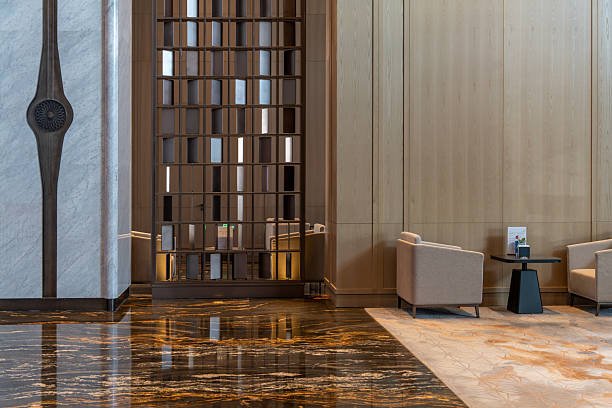
A building does more than hold walls and a roof. It shapes how customers feel, how employees work, and how smoothly a business runs from one season to the next. In a dense, creative city like Somerville, that thinking matters even more, because space is tight and expectations are high. That is why commercial architectural design in Somerville MA deserves careful attention long before construction starts. At Momentum Architecture LLC, we have guided plenty of owners through this process, and this post shares what we have learned.
Why Design Decisions Shape Business Results
Every layout choice carries a cost or a benefit that shows up long after opening day. A cramped entry slows customers, a poorly lit workspace tires staff, and an inflexible floor plan makes growth painful. Thoughtful design avoids these traps by studying how people actually move through a building. When planning begins with real daily routines instead of guesses, the finished space supports sales, comfort, and productivity from the first week. Owners who invest time at this stage almost always tell us the later phases felt calmer and more predictable.
What Good Design Looks Like in Practice
Function Comes First
A strong plan starts with the work that will happen inside. Storage, service areas, meeting rooms, and customer paths should connect logically so nobody wastes steps. Beauty matters, but it works best when it grows out of a layout that already functions well.
Light, Air, and Comfort
Natural light, good ventilation, and sound control change how a space feels. Rooms with these basics tend to keep customers lingering and employees focused. Small details like window placement and material choices make a surprising difference to everyday comfort.
Flexibility for Future Needs
Businesses change, and buildings should be able to change with them. Movable walls, adaptable utilities, and open floor plates let you reconfigure a space as your team or services grow, without paying for a full renovation each time.
Navigating Local Rules and Site Limits
Every city has zoning, permitting, and accessibility requirements, and Somerville is no exception. Older buildings bring their own surprises, from tight lot lines to existing structural limits. An experienced team reads these constraints early and designs around them, which avoids expensive redesigns later. Working with a professional in commercial architectural design in Somerville MA means having someone on your side who already understands how local approvals tend to unfold.
How the Design Process Usually Unfolds
Most projects move through a few clear phases. The table below shows what happens at each step and where your input matters most.
| Stage | What Happens | Your Role |
|---|---|---|
| Discovery | Goals, budget, and site conditions are reviewed | Share priorities and daily routines |
| Concept Design | Early layouts and visual ideas are sketched | Give honest feedback on flow and style |
| Detailed Design | Drawings and specifications are finalized | Approve materials and key decisions |
| Permitting and Construction | Plans are submitted and built under review | Stay available for questions |
Choosing the Right Design Partner
Look at Real Experience
When you compare providers of commercial architectural design in Somerville MA, review past projects similar to yours in size and purpose. A portfolio shows how a team handles real constraints, not just pretty renderings. Ask about challenges they solved and how they kept budgets under control.
Judge How They Communicate
Good partners listen first, explain choices in plain language, and respond promptly. If early meetings feel rushed or confusing, the whole project may feel that way. Trust your instincts about whether the team respects your ideas, because a smooth working relationship usually leads to a better building and fewer misunderstandings along the way.
Budget, Timing, and Sustainability
Early design choices have the biggest impact on cost. Energy efficient systems, durable materials, and smart daylighting can reduce operating expenses for years, even if some options cost more upfront. Realistic schedules also matter, because rushed planning leads to change orders. Set a budget range and a target opening date at the start, then let your design team test those numbers against real options. Ask for a few alternatives at different price points, so you can see exactly what each upgrade buys you. That kind of side by side comparison makes tough decisions much easier and keeps the project from drifting past its limits.
Final Thoughts
Great buildings come from clear goals, honest planning, and a team that listens. Take time to define how you want your space to work, then look for a partner who can translate that into drawings you trust. With the right commercial architectural design in Somerville MA, your next project can support your business for many years.
Frequently Asked Questions
How early should I involve an architect?
As early as possible, ideally before you sign a lease or buy a property. An architect can check whether a site fits your needs, flag code issues, and estimate scope. Early advice often prevents costly surprises and keeps your plans realistic.
How long does a commercial design project take?
Timelines depend on size, complexity, and approvals. Small interiors may take a few months, while larger buildings can take much longer. Early planning and quick decisions from the owner usually keep things moving at a steady pace.
Can design help lower operating costs?
Yes, in several ways. Efficient lighting, good insulation, and smart layouts reduce energy use and wasted space. Durable materials also cut maintenance bills over time, so upfront choices can quietly save money every year.
Do I need an architect for a tenant fit-out?
Often yes, especially when layouts change or permits are required. An architect helps meet code, accessibility, and lease requirements while making the space work better for your team and your customers.