
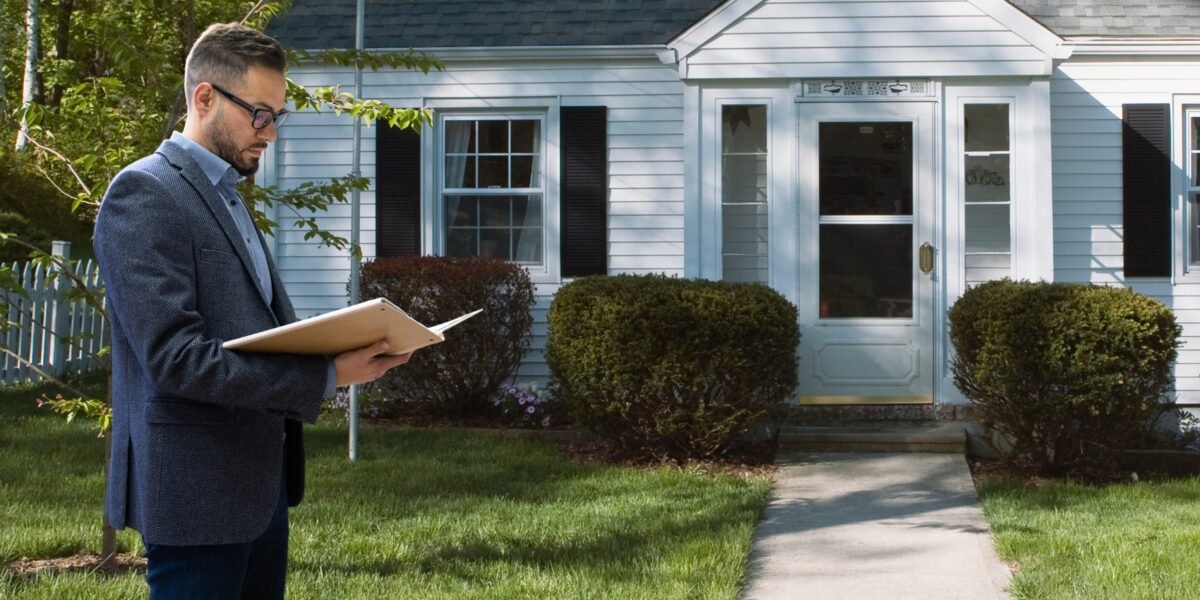
Anyone who has bought or sold a home knows the moment when a single number can shift the whole deal. That number usually comes from a professional valuation, and understanding how it is reached makes the process far less stressful. Local knowledge matters a great deal here, which is why many families in the area lean on agents such as DeLisa Locke – The Locke Group at REMAX Alliance when they want guidance before the report lands. This article explains how Appraisals in Huntsville AL work, what influences the final figure, and how you can prepare so that nothing catches you off guard on closing day.
What an Appraisal Actually Measures
Market Value Versus Asking Price
An appraisal is an unbiased opinion of what a property is worth on a specific date. It is not the price a seller hopes for, and it is not the amount a buyer is willing to stretch to. Lenders rely on it because they will not finance more than a home could reasonably be resold for. Experienced agents often point out that most confusion comes from treating the report as a bargaining tool when it is really a safeguard for everyone involved.
Who Orders the Report and Why
In most purchases the lender orders the appraisal through an independent channel, so neither the buyer nor the seller gets to pick the appraiser. The fee usually falls on the buyer and is often paid early in the loan process. Licensed appraisers follow national standards and local market rules, which is why two qualified professionals tend to land in a similar range when they study the same property.
How Appraisers Reach Their Number
Valuation is part measurement and part market research, and it follows a routine that stays fairly consistent from one property to the next.
Comparable Sales
The strongest evidence is recent sales of similar homes nearby, usually within the last six months and as close to the subject property as possible. The appraiser adjusts for differences such as square footage, age, bedroom count, and lot size. This is the step where Appraisals in Huntsville AL feel most local, because a street only a few blocks away can behave very differently from yours.
Condition, Upgrades, and Layout
During the walkthrough the appraiser looks at the roof, major systems, flooring, kitchen, bathrooms, and general upkeep. Updated features help, but only to the extent that buyers in your area actually pay extra for them. A pool or a finished basement, for example, may add less value in some neighborhoods than owners expect.
Neighborhood and Market Trends
Schools, traffic, nearby development, and the speed of recent sales all play a part. Rising demand supports values, while a slow stretch can pull them down even when the house itself is in great shape. Appraisers are trained to reflect the market as it is today, not as it was last year.
Why Values Sometimes Come In Low
A low figure is frustrating, yet it nearly always has an explanation. Fast bidding can push an offer above what recent sales can support. The comparable homes may be older, smaller, or farther away than they first appear. Unpermitted additions, deferred repairs, or an unusual floor plan can also trim the number, and sometimes the cause is simply a quiet period with very few similar sales to study.
When this happens the gap is normally handled through negotiation. Sellers may lower the price, buyers may cover the difference in cash, or both sides may meet somewhere in the middle. Knowing these causes ahead of time helps you respond calmly instead of assuming something went wrong with the transaction.
Getting Ready Before the Appraiser Arrives
Simple Prep Around the Property
Tidy the rooms and clear access to the attic, utility areas, and garage so nothing has to be moved during the visit. Make sure lights, appliances, and faucets work. Fix small issues like leaking taps, loose handrails, and chipped paint, since minor flaws can suggest a home has been neglected. Trim overgrown shrubs and sweep the entry so the exterior looks cared for.
Paperwork Worth Having Ready
Put together a simple summary of improvements with dates and approximate costs, along with receipts for major work, permits, and any recent inspection notes. Handing the appraiser a clean overview helps them account for upgrades they might otherwise miss, such as a new roof, a replaced heating and cooling system, or a remodeled bathroom.
What to Do If You Disagree With the Result
You can ask your lender to start a reconsideration of value. Provide stronger comparable sales, point out factual mistakes such as incorrect square footage, and keep the tone professional. Not every request succeeds, but corrected facts do receive a fair review. Ordering a second appraisal is possible in some situations, though it costs more and takes time, so talk it through with your agent and loan officer before deciding.
Final Thoughts
Good preparation, realistic expectations, and local guidance can turn a stressful step into a manageable one. If you are planning to buy or sell soon, take time to learn how Appraisals in Huntsville AL fit into your timeline and budget, and bring your questions to a professional early rather than late.
Frequently Asked Questions
How long does an appraisal usually take?
The home visit itself often lasts under an hour, depending on the size of the property. The written report normally follows within several days to a week. Busy seasons can stretch that timeline a little, so ask your lender for an estimate and plan around your closing date.
Does an appraisal replace a home inspection?
No, because they serve different purposes. An inspection looks for defects and safety concerns, while an appraisal estimates value for the lender. Buyers usually benefit from having both, since one protects the investment and the other supports the loan.
Can repairs raise the appraised value?
Some can, particularly those that correct visible damage or outdated systems. Cosmetic updates help most when they match what nearby buyers expect. Large remodels do not always return their full cost, so speak with a local agent before spending serious money.
What happens if the value is lower than the offer?
The lender will only finance based on the appraised value. The parties can renegotiate the price, the buyer can add cash, or the deal may be cancelled depending on the contract terms. Reviewing your contingencies early keeps more options open.