A diesel engine can run rough for weeks before it finally leaves you stranded on the shoulder. By then, a small sensor or injector issue has often grown into an expensive repair. At DIESEL DIAGNOSTICS OF SOUTH FLORIDA, we work with truck owners who want clear answers instead of guesswork. If you are researching diesel diagnostics in Lehigh Acres FL, knowing how to spot trouble early puts you in control of the cost. This guide shows what to watch for, what happens during testing and how to prepare.
Why Diesel Engines Hide Problems Until They Get Serious
Modern diesel engines rely on a network of sensors, a control module and precise fuel delivery. That design makes them efficient and powerful, but it also means one failing part can quietly affect others. A weak injector, for example, may only reduce mileage slightly at first while it slowly strains the turbo and the emissions system. Experienced technicians often say the cheapest repair is the one caught early. Learning to read the early signs is the first step, and the next sections explain how.
Warning Signs You Should Never Ignore
Your truck usually gives hints before a failure. Hard starting, especially on warm mornings, can point to fuel or glow system issues. Black, white or blue smoke tells you something about combustion, fuel mixture or oil consumption. Loss of power under load, rough idling, unusual knocking and sudden drops in fuel economy all deserve attention. A warning light for the engine, exhaust fluid or particulate filter should never be treated as a suggestion. If more than one sign shows up together, scheduling testing sooner helps prevent a roadside breakdown.
How a Diagnostic Visit Works
Many owners expect a quick code read, but a proper visit goes much deeper.
Scanning Fault Codes
The technician connects a diesel capable scan tool to the truck’s computer and reviews stored and pending codes. A code is a starting point, not a final answer, because the same code can come from several different causes. Good shops use it to decide where to test next instead of replacing parts blindly.
Live Data and Road Testing
Next comes live data, where rail pressure, boost, temperatures and sensor readings are watched while the engine runs. Some faults only appear under load, so a road test is often needed. Comparing real numbers to factory specifications pinpoints the exact failing component.
Systems Technicians Check First
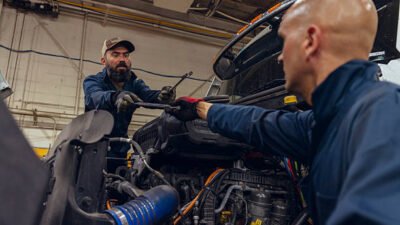
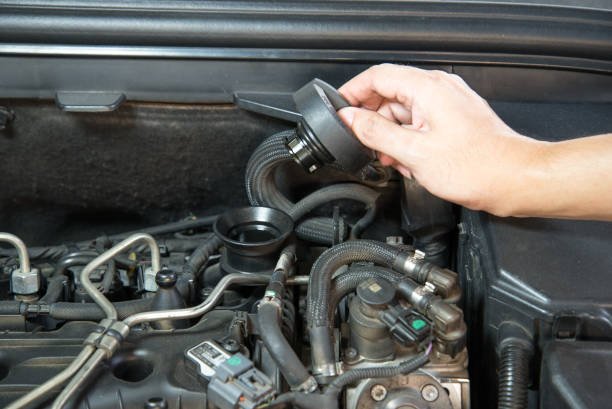
Most diesel complaints trace back to a handful of systems. Fuel injectors and the high pressure pump control how cleanly the engine burns fuel. The turbocharger supplies air, and leaks or sticking vanes reduce power. Emissions equipment, including the EGR valve, diesel particulate filter and DEF system, can trigger limp mode when clogged or faulty. Wiring and sensors also fail more often than people expect, especially on older trucks that have seen vibration and heat for years. Checking these areas in a logical order keeps testing efficient and your bill fair.
Why Local Climate and Driving Conditions Matter
Southwest Florida heat and humidity put steady stress on cooling systems, electrical connectors and batteries. Stop and go traffic and heavy hauling add even more strain. When you look for diesel diagnostics in Lehigh Acres FL, choose a shop that understands how these conditions affect engines day after day. Overheating, corroded connectors and short trips that never let the exhaust system clean itself are common sources of trouble. A technician who knows local patterns can often narrow down the cause faster.
Steps You Can Take Before the Appointment
Write Down Symptoms
Note when the problem happens, such as cold starts, highway speeds or towing. Mention any smells, noises or warning lights you have noticed. Specific details save diagnostic time and help the technician focus.
Keep Service Records
Bring oil change dates, filter replacements and past repair invoices. A clear history shows what has already been tried and prevents repeat work.
Know Your Fuel History
Bad fuel or water contamination causes many injector complaints. Tell the technician where you last fueled and whether you changed fuel filters recently.
Choosing the Right Shop for the Job
Ask whether the shop uses up to date diagnostic equipment and has technicians trained on your engine brand. A trustworthy team explains findings in plain language, shows you the data and gives a written estimate before starting repairs. For diesel diagnostics in Lehigh Acres FL, reviews from local fleet owners and independent truckers are especially helpful. Avoid anyone who suggests replacing several parts without testing first, since that approach drains your budget quickly.
Frequently Asked Questions
How long does a diesel diagnostic test take?
Basic scans can be done within an hour, but deeper testing may take several hours. Intermittent problems sometimes need a road test or a follow up visit. Your technician should give you a realistic time frame once they see the truck.
Can I drive with the check engine light on?
A steady light may allow short trips, but it is risky to ignore it for long. A flashing light or reduced power means you should stop and get help soon. Continuing to drive can turn a small repair into major engine damage.
Is diagnostics the same as repair?
No, diagnostics identifies the cause of the problem, while repair fixes it. Many shops credit the testing fee toward repairs if you proceed. Always ask how their pricing works before any work begins.
How often should I schedule preventive testing?
Once a year is a good starting point for most trucks, and more often for heavy duty or fleet use. Regular scans catch weak sensors and emission issues before they cause downtime. Pairing testing with routine maintenance keeps costs predictable.
Final Thoughts
Diesel problems rarely fix themselves, and the earlier you act, the smaller the bill tends to be. Pay attention to warning signs, keep good records and ask questions when choosing a technician. When you are ready for clear answers, book trusted diesel diagnostics in Lehigh Acres FL and get your truck back on the road with confidence.