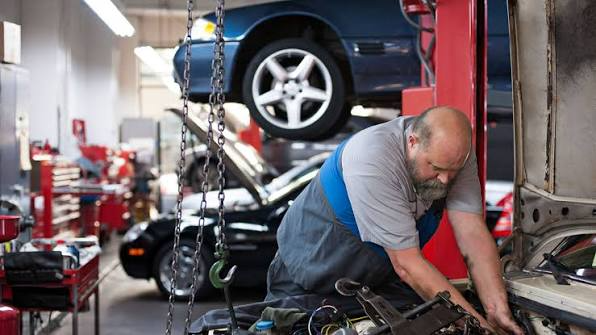
Most drivers only think about a repair shop when something goes wrong, which makes the first visit feel stressful and a little mysterious. Anyone who has spent time around service bays knows the process is far more straightforward than it looks from the waiting room. If you are searching for a vehicle repair shop in Hollywood FL, understanding what happens behind the garage door helps you ask better questions. Teams like Titan Auto Repair follow a similar flow with every car that rolls in. Here is a clear look at each stage, from check-in to the final test drive.
The Moment You Hand Over the Keys
The visit begins at the front desk, and it starts with a conversation rather than a tool. A service advisor asks what you have noticed: a squeal when braking, a dashboard light, a vibration at highway speed. Be as specific as you can. Describe when it happens, how long it has been going on, and whether speed or weather changes it. Those details can save a technician a good deal of diagnostic time. The advisor also records your mileage, reviews any service history, and confirms how you would like to be contacted with updates.
How Technicians Find the Real Problem
A warning light tells you something is wrong but rarely explains what. Finding the true cause takes a mix of technology and hands on experience.
Listening and Test Driving
Technicians often start with a short drive to feel the problem for themselves. Pulling, shaking, grinding, or hesitation each point toward different systems, and the sound alone can narrow the search considerably.
Digital Scans and Hands On Checks
Next comes an electronic scan that reads fault codes from the car’s computer. Those codes are only a starting point. A good technician confirms them by inspecting hoses, belts, wiring, brakes, and fluids, which prevents replacing parts that were never broken.
Understanding the Estimate Before Work Begins
Once the cause is clear, you should receive an estimate that separates parts from labor and explains why each item is needed. A trustworthy vehicle repair shop in Hollywood FL will also tell you which repairs are urgent for safety and which can wait a few weeks. Do not hesitate to ask to see the worn part or request a photo. Honest shops welcome the question. Approval should always come from you, and the price should never change without a phone call first.
Common Services at a Glance
The table below shows what drivers need most often, along with typical warning signs and time in the bay. Actual times vary by vehicle and parts availability.
| Service | Common warning signs | Typical time |
|---|---|---|
| Oil and filter change | Dashboard reminder, dark or gritty oil | 30 to 60 minutes |
| Brake pad service | Squealing, longer stopping distance | 1 to 2 hours |
| Battery replacement | Slow starts, dim headlights | 30 to 45 minutes |
| Tire rotation and balance | Uneven wear, steering vibration | 30 to 60 minutes |
| Diagnostic scan | Check engine light, rough running | 30 to 60 minutes |
| A/C service | Weak cooling, odd smells | 1 to 2 hours |
Repairs Done the Right Way
Quality shows in the small decisions a vehicle repair shop in Hollywood FL makes once the work begins.
Quality Parts
Choosing parts that meet or exceed manufacturer standards matters. Cheap components may save money today but often fail sooner, which brings you back for the same repair.
Skilled Technicians
Certified technicians keep up with changing vehicle technology, from hybrid systems to driver assistance features. Experience also helps them spot related issues early, such as a worn belt hiding behind a noisy pulley.
The Final Road Test
After the repair, the car is driven again to confirm the original problem is gone. A final inspection checks fluids, wheel torque, and warning lights before you get the keys back.
Habits That Keep You Out of the Shop
South Florida’s heat and humidity are hard on batteries, tires, and air conditioning systems, so a little regular attention goes a long way.
Simple Monthly Checks
Once a month, check tire pressure, oil level, coolant, and wiper fluid. Look for spots under the car and test all of your lights. Ten minutes of attention can catch trouble while it is still cheap to fix.
Listening to Your Car
New noises, smells, or vibrations are messages. A sweet smell may point to a coolant leak, while a burning odor can signal slipping belts or overheated brakes. Acting early almost always costs less than waiting.
Wrapping Up Your Visit
A repair visit is easier when you know what to expect. Describe symptoms clearly, ask for a written estimate, and choose a team that explains its work. When you need a dependable vehicle repair shop in Hollywood FL, pick one that treats your car the way you would.
Frequently Asked Questions
How long will my car be in the shop?
Routine services like oil changes or tire rotations often take under an hour, while brake or A/C work can take a couple of hours. Larger repairs depend on parts availability. Ask for an estimated completion time when you drop off the car, and expect an update if it changes.
Can I bring my own parts?
Some shops allow it, but many do not, because they cannot guarantee parts they did not source. Shop supplied parts usually come with a warranty on both the part and the labor. Ask about the policy before you buy anything yourself.
How often should I service my car in hot weather?
Heat puts extra strain on batteries, tires, belts, and cooling systems. Many drivers benefit from checking these items every few months, in addition to regular oil changes. Follow your owner’s manual, and shorten the interval if you do a lot of stop and go driving.
What should I bring to my appointment?
Bring your keys, registration, and any maintenance records you have. Jot down the symptoms you have noticed, including when they happen and how often. If a warning light is on, take a quick photo of the dashboard. These small details help the technician start in the right place.
Why does my check engine light come on?
The light can signal anything from a loose gas cap to a failing sensor or a misfire. A scan reads the stored code, which points the technician toward the right system. Do not ignore it, especially if the light is flashing, since that often means a problem that needs prompt attention.