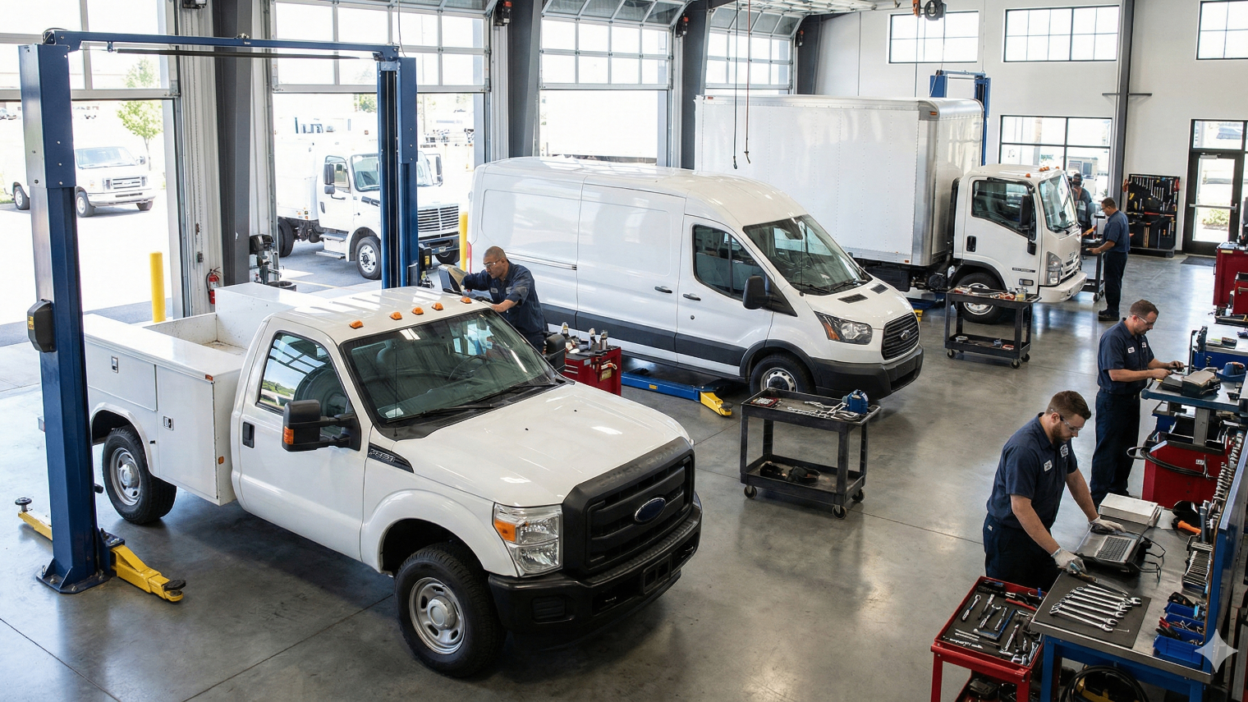
Most people only think about their vehicle when something goes wrong, yet the real story starts long before a warning light appears. Drivers searching for Auto & Truck Repair in Pinellas Park FL often want to understand what actually happens once they hand over the keys. At Johnny’s All County Auto & Truck Repair, the team has seen how a little knowledge helps owners feel calmer and more confident at the counter. This blog walks you through the process, the common issues, and the signs worth acting on. Think of it as a friendly peek behind the garage door.
What Happens When You Hand Over the Keys
The First Conversation
A good visit begins with listening. The technician asks when the noise started, whether it happens at low or highway speeds, and if anything changed recently. Those details save time because they point toward the real cause instead of a guess. Bring notes or even a short phone video if the problem comes and goes.
Inspection Before Estimates
Next comes a hands-on inspection and, when needed, a computer scan of stored fault codes. A code only tells part of the story, so experienced mechanics confirm it by testing the actual component. You should receive a clear estimate explaining what is urgent and what can wait until your next visit. That kind of honesty separates a dependable shop from a pushy one. Anyone looking for Auto & Truck Repair in Pinellas Park FL should expect this level of transparency from day one.
Problems That Show Up Again and Again
Brakes, Tires, and Suspension
Brakes and tires wear quietly, which is why they top most repair lists. A squeal, a soft pedal, or a steering wheel that pulls to one side usually means a component is asking for attention. Worn shocks also stretch stopping distance, something many drivers never notice until an emergency.
Engine Performance and Warning Lights
A glowing check engine light can mean anything from a loose gas cap to a failing sensor. Rough idling, poor fuel economy, and hesitation under acceleration are other early clues. Catching these early often keeps a small repair from becoming an engine rebuild.
Heavy Duty Truck Needs
Pickups, work trucks, and diesel rigs carry heavier loads and run longer hours. Cooling systems, air brakes, and drivetrain parts take the most punishment. Regular fluid checks and scheduled inspections matter even more here, because downtime costs a working owner real money.
Why Hands On Experience Matters
Pattern Recognition
Technicians who have worked on thousands of vehicles recognize patterns quickly. A faint vibration at a certain speed or a particular smell after shutdown can narrow the search in minutes. That knowledge cannot be learned from a manual alone, and it is a big reason experience saves owners both time and money.
Training and Certifications
Credentials still count. Look for technicians who hold recognized certifications and keep up with changing technology such as hybrid systems and advanced driver assistance. Modern vehicles are rolling computers, so ongoing education is part of doing the job responsibly.
Warning Signs You Should Never Ignore
What You Can Hear and Feel
Grinding, clunking, or humming sounds are your vehicle’s way of talking. Vibrations through the steering wheel or brake pedal deserve a quick inspection. If the ride suddenly feels different, trust that instinct.
What You Can See and Smell
Fluid puddles under the parking spot, smoke from the exhaust, or a sweet coolant smell all call for prompt attention. Dashboard lights that flash instead of glow steadily usually signal something urgent. Pull over safely and call a shop rather than pushing on.
Maintenance Reminders That Save Money
Oil changes, filter swaps, and fluid flushes seem boring, but they are the cheapest insurance you can buy. Follow the schedule in your owner’s manual, and adjust for heavy towing or stop and go driving. A simple log in your glove box helps you track every service.
How to Pick a Shop You Can Trust
Reputation and Reviews
Read recent reviews and look for patterns, not one-off complaints. Shops that respond politely to criticism usually care about long term relationships. Neighbors and coworkers are also valuable sources, especially when choosing Auto & Truck Repair in Pinellas Park FL for the first time.
Warranty and Clear Pricing
Ask about warranty coverage on parts and labor before work begins. A written estimate with itemized costs prevents surprises at pickup. If a shop will not explain a charge in plain language, keep looking.
Communication Style
The best mechanics show you the worn part and explain why it needs replacement. They return calls, update you if the scope changes, and never pressure you into rushed decisions.
Final Thoughts
Understanding the repair process takes the mystery out of every visit and helps you make confident choices. Stay on top of maintenance, listen to your vehicle, and choose professionals who communicate clearly. Whenever you need dependable Auto & Truck Repair in Pinellas Park FL, bring your questions and expect straight answers.
Frequently Asked Questions
How often should I service my car or truck?
Most vehicles do well with an oil change every 5,000 to 7,500 miles, though your owner’s manual has the final word. Trucks that tow, haul, or idle for long hours may need service sooner. A yearly inspection helps catch hidden wear before it becomes costly.
Can I keep driving with the check engine light on?
If the light is steady, you can usually drive short distances while scheduling a diagnosis soon. A flashing light points to a serious misfire that can damage the catalytic converter. In that case, stop safely and arrange a tow or an inspection right away.
How long does a typical repair take?
Simple jobs like brake pads or battery swaps often finish within a few hours. Complex diagnostics or special-order parts can stretch into several days. A good shop gives you an honest timeline and updates you if anything changes.
Do I need an appointment?
Appointments help the shop set aside time and parts for your vehicle. Emergency breakdowns are usually handled as quickly as the schedule allows. Calling ahead is the easiest way to avoid a long wait.
How can I lower my repair costs?
Regular maintenance is the biggest money saver because it prevents major failures. Address small noises and leaks early, and ask for a prioritized estimate. Keeping service records also helps technicians diagnose problems faster.