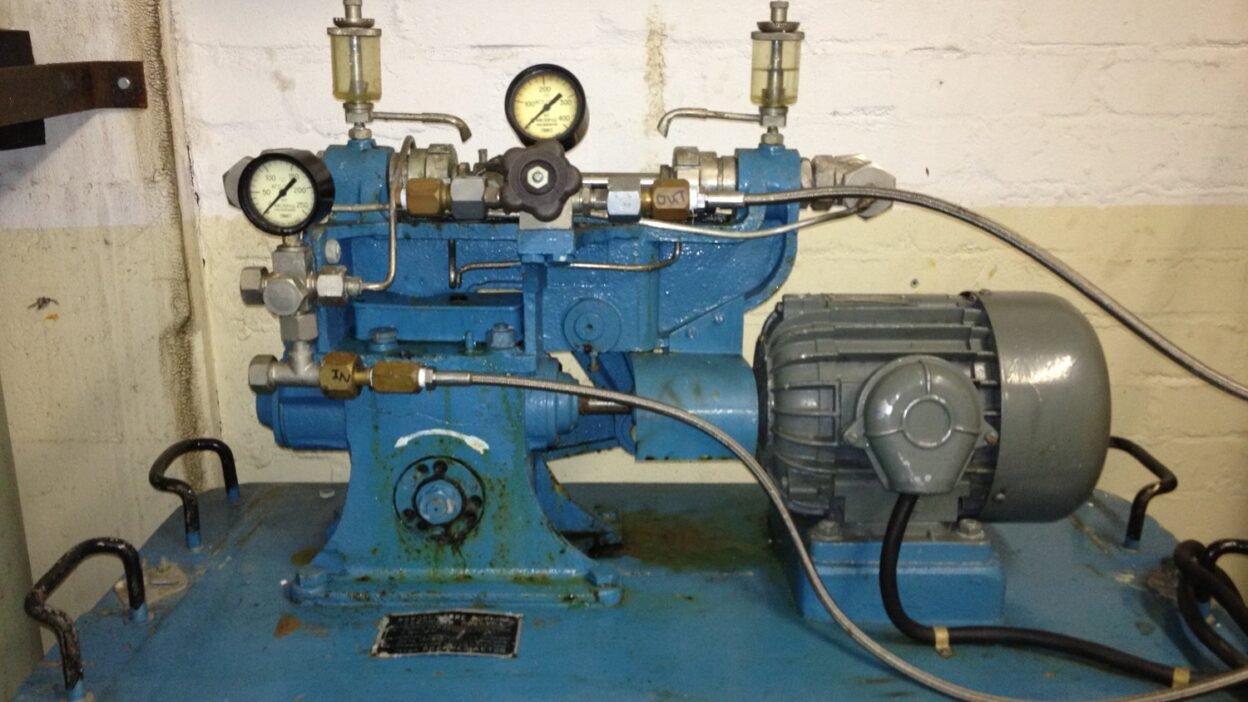
Selecting the right booster pump for a commercial building requires more than checking the required water pressure or choosing a pump based on its horsepower. Different buildings have different water consumption patterns, plumbing layouts, pressure requirements, and operational demands. A hotel may experience heavy water usage during morning and evening hours, while a hospital needs a consistent water supply throughout the day. Office buildings, meanwhile, often experience significant fluctuations in water demand depending on occupancy and working hours.
These differences make pump selection an important part of commercial plumbing system design. An incorrectly sized pump can cause inconsistent water pressure, excessive energy consumption, frequent cycling, and unnecessary equipment wear. On the other hand, a properly selected pump can maintain reliable water distribution across multiple floors and support the building’s daily operations.
Water booster systems help address pressure challenges in commercial properties by increasing and maintaining water pressure when the incoming municipal supply cannot meet the building’s requirements. However, choosing the right equipment involves evaluating several technical factors, including building height, flow demand, pressure losses, pump configuration, and future expansion plans.
This guide explains how to select a suitable booster pump for hotels, hospitals, and office buildings.
1. Understand the Building’s Water Demand
The first step in selecting a booster pump is understanding how much water the building needs and when that water is used. Commercial properties rarely consume water at a constant rate. Demand changes throughout the day depending on occupancy, activities, and the number of fixtures operating simultaneously.
For example:
- Hotels: Water demand increases during morning showers, breakfast preparation, housekeeping, and evening guest activities.
- Hospitals: Patient care, sterilization, laundry, kitchens, laboratories, and sanitation facilities create continuous water demand.
- Office buildings: Water consumption generally increases during working hours because of restrooms, cafeterias, cleaning operations, and other shared facilities.
A pump must accommodate these changing requirements without creating excessive pressure or wasting energy.
Engineers should estimate the total number of plumbing fixtures, their expected flow rates, and the probability of simultaneous use. This calculation helps determine the building’s probable peak water demand rather than simply adding the maximum flow rate of every fixture.
Fixture unit calculations and applicable plumbing codes can help establish realistic demand estimates.
2. Calculate the Required Flow Rate
Flow rate is one of the most important factors in booster pump selection. It determines how much water the pump must deliver within a specific period.
Commercial buildings often have multiple floors, bathrooms, kitchens, utility rooms, and specialized water outlets. The selected pump should supply sufficient water when several fixtures operate simultaneously.
Flow rate is commonly measured in gallons per minute (GPM) in the United States.
Consider the following examples:
Hotels: A hotel with 150 guest rooms may experience high water demand when guests use showers, sinks, laundry facilities, and kitchen equipment simultaneously.
Hospitals: A hospital may require a more consistent flow because several departments depend on water throughout the day. Its demand assessment should account for patient rooms, operating areas, laboratories, and support facilities.
Office buildings: An office tower with multiple restrooms and shared facilities may experience its highest demand during morning arrival periods, lunch breaks, and afternoon working hours.
The design flow rate should reflect expected simultaneous demand, not the combined maximum capacity of every fixture.
Undersizing can result in inadequate water delivery during peak periods. Oversizing can increase operating costs and cause unnecessary pressure fluctuations.
3. Determine the Required Pressure for Every Floor
Building height has a direct effect on the pressure required from a booster pump. Water must travel vertically through the plumbing network, and pressure decreases as elevation increases.
As a general engineering estimate, every 2.31 feet of water elevation requires approximately 1 PSI of pressure.
For example, a building with a vertical height of 150 feet requires approximately 65 PSI just to overcome the static elevation difference, before accounting for pipe friction, fittings, valves, and the required pressure at the highest fixture.
The actual pump discharge pressure must account for all these factors.
Different commercial properties also have different pressure requirements:
- Hotels need sufficient pressure for showers, sinks, laundry equipment, and other guest facilities.
- Hospitals need appropriate pressure for patient rooms, clinical areas, sanitation, and support departments.
- Office buildings need consistent pressure across restrooms, kitchens, and upper-floor facilities.
Engineers should calculate the pressure requirements at the most hydraulically disadvantaged fixture. This helps ensure that the pump can deliver the required pressure at the highest or most distant point in the plumbing network.
4. Consider Variable-Speed Booster Pumps
Water consumption in commercial buildings changes throughout the day. A pump operating at full speed when demand is low can consume unnecessary energy and create excessive pressure.
Variable-frequency drives (VFDs) help address this problem by adjusting motor speed according to system demand.
Instead of operating at one fixed speed, a variable-speed booster pump responds to changes in water consumption and maintains a selected pressure setpoint.
Variable-speed operation offers several advantages:
Hotels: The pump can adjust its output when guest water consumption rises in the morning and decreases during quieter periods.
Hospitals: VFD-controlled pumps can maintain a more consistent pressure as water demand changes across different departments.
Office buildings: The system can reduce pump speed during evenings, weekends, and other periods of lower occupancy.
Variable-speed technology can improve energy efficiency and reduce mechanical stress associated with unnecessary full-speed operation.
However, the VFD, motor, pump, and pressure-control arrangement must be properly selected and configured. The system should also include appropriate protections against low suction pressure, dry running, and other operating conditions.
5. Choose Between Single-Pump and Multiple-Pump Configurations
Another important decision is whether the building requires one pump or a multi-pump booster package.
A single-pump arrangement may be suitable for smaller commercial properties with relatively predictable water demand. However, larger buildings often benefit from multiple pumps operating together.
Multi-pump configurations offer flexibility because individual pumps can start or stop depending on the required flow rate.
For example:
- A hotel can use multiple pumps to accommodate changing guest occupancy and peak water consumption.
- A hospital can use a properly designed duty-and-standby arrangement to provide backup pumping capacity.
- An office building can use staged pump operation to accommodate different occupancy levels throughout the week.
Common configurations include:
Duty and standby pumps: One pump handles normal operation while another remains available as backup.
Lead-lag systems: Pumps alternate their operating sequence to distribute runtime and equipment wear.
Parallel pump systems: Multiple pumps operate together when the building requires higher flow rates.
N+1 arrangements: The system includes an additional pump beyond the number required to meet the design demand, providing redundancy if one unit becomes unavailable.
The appropriate configuration depends on building requirements, reliability expectations, available space, and the consequences of losing water pressure.
6. Evaluate Suction Pressure and Available Water Supply
A booster pump cannot operate properly without an adequate incoming water supply. Before selecting the equipment, engineers must evaluate the pressure and flow available at the pump suction connection.
Municipal water pressure can fluctuate because of changes in neighborhood demand, supply infrastructure, and distribution conditions.
If incoming pressure drops below the required level, the booster pump may struggle to deliver the expected flow. Insufficient suction pressure can also increase the risk of cavitation, which can damage pump components and reduce performance.
Important factors to evaluate include:
- Minimum and maximum incoming water pressure.
- Available supply flow rate.
- Suction pipe diameter and layout.
- Pressure losses through valves, filters, and fittings.
- Water temperature and operating conditions.
- Minimum required suction pressure at the pump.
Engineers should also check the pump’s Net Positive Suction Head Required (NPSHr) against the Net Positive Suction Head Available (NPSHa). Adequate NPSH margin is necessary to reduce the risk of cavitation.
Where municipal supply cannot reliably meet the building’s demand, a properly designed break tank or storage tank may be required. Local plumbing regulations and water authority requirements should determine the appropriate arrangement.
7. Select the Right Pump Material and Construction
Pump construction materials affect equipment durability, corrosion resistance, and suitability for the intended water application.
Commercial booster pumps may operate for extended periods, making material selection an important consideration.
Common materials include:
Stainless steel: Stainless steel pump components are widely used in commercial water applications because of their corrosion resistance and durability. The appropriate grade depends on water chemistry and operating conditions.
Cast iron: Cast iron is commonly used for pump casings in several commercial applications. Its suitability depends on the water quality and system requirements.
Bronze: Bronze components may be appropriate for certain water-handling applications where corrosion resistance is an important consideration.
Hotels generally require equipment capable of handling regular domestic water consumption. Hospitals may have additional material and water-quality requirements depending on the application. Office buildings typically need durable equipment suitable for long operating cycles.
Material compatibility should always be evaluated against the actual water chemistry, temperature, and applicable potable-water requirements.
8. Consider Noise, Vibration, and Installation Space
Noise and vibration are important considerations when installing booster pumps in occupied commercial buildings.
Hotels and hospitals require particular attention because excessive mechanical noise can disturb guests, patients, and staff. Office buildings also benefit from quieter equipment, especially when pump rooms are located near workspaces.
The following factors should be considered:
- Pump operating speed and motor characteristics.
- Baseplate design and equipment alignment.
- Vibration isolation and suitable mounting arrangements.
- Pipe supports and flexible connections where appropriate.
- Acoustic treatment of the pump room.
- Accessibility for inspection and maintenance.
Available installation space also affects equipment selection. Multi-pump booster packages require sufficient room for pumps, manifolds, control panels, valves, and maintenance access.
A compact package may help where mechanical room space is limited, but it should not compromise accessibility or safe operating clearances.
9. Compare Energy Efficiency and Operating Costs
Booster pumps can contribute significantly to a commercial building’s electricity consumption, particularly when they operate continuously or handle large water volumes.
Therefore, selecting equipment based only on its initial purchase price can lead to higher long-term expenses.
Engineers should evaluate pump efficiency across the expected operating range rather than focusing exclusively on the pump’s best efficiency point.
Important considerations include:
- Pump hydraulic efficiency.
- Motor efficiency rating.
- VFD compatibility.
- Expected operating hours.
- Daily and seasonal demand variations.
- Pressure setpoint requirements.
- Maintenance and replacement costs.
A pump that operates efficiently at the building’s normal demand conditions may deliver better overall performance than a larger unit selected only for peak capacity.
Proper pump sizing also reduces the likelihood of excessive throttling, frequent cycling, and inefficient operation.
For hotels, energy-efficient pumping can help control operating expenses during periods of changing occupancy. Hospitals can benefit from efficient equipment that supports continuous operations. Office buildings may achieve additional savings through demand-based operation during non-working hours.
10. Account for Building-Specific Requirements
Although hotels, hospitals, and office buildings all need dependable water pressure, their operating requirements are not identical.
Booster pump selection for hotels
Hotels experience fluctuating water demand based on guest occupancy, check-in patterns, housekeeping schedules, and facility usage.
A suitable booster pump should:
- Maintain adequate pressure across all occupied floors.
- Handle morning and evening demand peaks.
- Support kitchens, laundry facilities, and guest bathrooms.
- Adjust output according to changing consumption.
- Minimize noise and vibration near occupied spaces.
Hotels with multiple towers or significant elevation differences may also benefit from separate pressure zones.
Booster pump selection for hospitals
Hospitals have more demanding operational requirements because water is essential for patient care, sanitation, cleaning, and several specialized processes.
A suitable booster pump arrangement should:
- Provide reliable pressure during changing demand conditions.
- Include appropriate backup pumping capacity.
- Support critical water distribution requirements.
- Allow easy inspection and equipment maintenance.
- Meet applicable plumbing and healthcare facility requirements.
Hospitals should also distinguish domestic water booster applications from specialized systems used for medical equipment, laboratories, and other processes. These applications may require separate water treatment, pressure control, and regulatory considerations.
Booster pump selection for office buildings
Office buildings typically experience demand variations linked to occupancy and working schedules.
Their booster pump requirements may include:
- Consistent pressure across multiple floors.
- Efficient operation during working hours.
- Reduced energy consumption during low-demand periods.
- Compatibility with building management systems.
- Flexibility to accommodate future tenant requirements.
For high-rise office buildings, pressure zoning can help prevent excessive pressure at lower floors while maintaining adequate pressure at upper levels.
11. Plan for Maintenance and Long-Term Reliability
Even a properly selected booster pump requires regular inspection and maintenance to maintain its performance.
Commercial building operators should consider maintenance requirements before purchasing equipment.
A well-designed booster package should provide convenient access to important components, including pumps, motors, valves, pressure sensors, and control panels.
Routine inspection should cover:
- Pump operating pressure and flow.
- Unusual vibration and noise.
- Motor temperature and electrical connections.
- Leakage around seals and connections.
- Pressure sensor accuracy.
- VFD alarms and control settings.
- Check valve and isolation valve condition.
For hospitals and other facilities where water availability is critical, maintenance planning should also include backup equipment and procedures for responding to pump failures.
Selecting equipment with readily available replacement parts can make future maintenance easier and reduce the time required to restore normal operation.
12. Allow for Future Building Expansion
Commercial buildings may experience changes in occupancy, floor usage, tenant requirements, and water consumption over time.
A booster pump selected only for current demand may become inadequate after building expansion or renovation.
Before finalizing the equipment, engineers should evaluate:
- Potential increases in occupancy.
- Additional bathrooms and plumbing fixtures.
- New laundry or kitchen facilities.
- Future floor additions.
- Changes in building usage.
- Expansion of existing water distribution networks.
However, designing an oversized system without a realistic demand assessment is not a suitable solution. Excessive capacity can create operating inefficiencies and pressure-control problems.
A better approach is to select a system with appropriate capacity, staged operation, and flexibility for anticipated changes.
Common Mistakes to Avoid When Selecting a Commercial Booster Pump
Several selection mistakes can affect the performance and operating costs of commercial pumping installations.
1. Selecting a pump based only on horsepower
Horsepower does not independently establish whether a pump can meet the required flow and pressure. Engineers must evaluate the complete pump performance curve.
2. Ignoring pressure losses
Pipe friction, fittings, valves, filters, and elevation differences all affect the pressure required at the pump discharge.
3. Overlooking peak demand
A system designed around average consumption may struggle when multiple fixtures operate simultaneously.
4. Ignoring incoming water pressure
Insufficient suction pressure can affect pump performance and increase the risk of cavitation.
5. Choosing equipment without considering redundancy
Facilities with critical water requirements may need standby pumps to maintain supply during equipment failure or maintenance.
6. Neglecting future operating conditions
Changes in occupancy, building usage, and water demand should be considered during initial system planning.
Frequently Asked Questions
1. What type of booster pump is best for a commercial building?
The best booster pump depends on building height, required flow rate, pressure demand, incoming water pressure, and operating conditions. Variable-speed multi-pump systems are commonly considered for larger commercial buildings because they can adjust output according to demand.
2. Why do hotels need commercial water booster pumps?
Hotels often have multiple floors, guest bathrooms, kitchens, laundry facilities, and other water-consuming areas. Booster pumps help maintain adequate water pressure when the incoming supply cannot meet these requirements.
3. Are variable-speed booster pumps suitable for hospitals?
Yes. Variable-speed booster pumps can help hospitals maintain consistent water pressure while adjusting to changing consumption. The complete system must also meet the facility’s reliability, redundancy, and applicable healthcare requirements.
4. How do I calculate the required booster pump pressure?
Start by calculating the static elevation difference between the pump and the highest fixture. Then add pipe friction losses, equipment pressure losses, and the required residual pressure at the fixture. Also account for the minimum available suction pressure.
5. Should commercial buildings use multiple booster pumps?
Multiple pumps can be beneficial for buildings with high or fluctuating water demand. They allow staged operation, provide additional capacity, and can offer standby redundancy when the system is designed appropriately.
6. How does building height affect booster pump selection?
Higher buildings require additional pressure to move water to upper floors. Engineers must calculate the static head and account for friction losses to determine the required pump operating pressure.
7. Can one booster pump serve an entire high-rise building?
It may be possible in some designs, but high-rise buildings often benefit from separate pressure zones. Zoning helps maintain suitable pressure at different elevations and avoids excessive pressure in lower-floor plumbing.
8. How can booster pumps reduce commercial building energy consumption?
Proper pump sizing, efficient motors, variable-frequency drives, and demand-based control can reduce unnecessary energy consumption. Regular maintenance also helps maintain efficient operation.
Conclusion
Selecting a booster pump for hotels, hospitals, and office buildings requires careful evaluation of water demand, building height, pressure requirements, incoming supply conditions, and operating schedules. Each property has different requirements, so a standard pump configuration may not deliver the right performance for every application.
Well-designed Water booster systems can help commercial buildings maintain consistent water pressure, accommodate changing consumption, and improve overall pumping efficiency. Variable-speed operation, suitable pump configurations, reliable components, and proper pressure zoning all contribute to long-term performance.
For engineers, contractors, and building owners, the priority should be selecting equipment that meets actual system requirements rather than simply choosing a pump with a higher capacity or horsepower rating.
Callaghan Pump & Controls supplies pumping equipment and solutions for commercial and industrial applications. Explore our range of water booster pumps and related equipment to identify options for your building’s water pressure requirements.