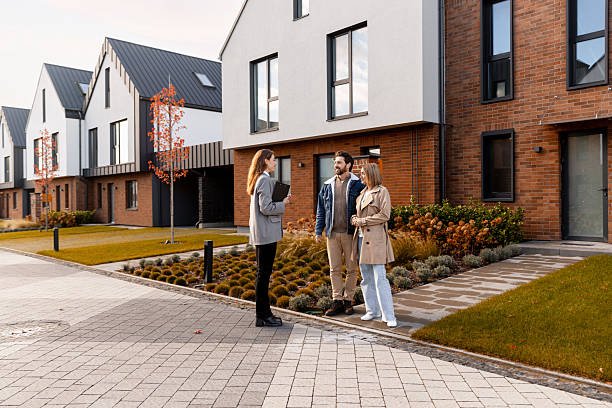
Green improvements have moved from a nice extra to a real selling point. Buyers now ask about energy bills as often as they ask about bedrooms.
At Atlanta First Realty | Realtor Near Me | Real Estate Broker, we see the same pattern in listings and walkthroughs. Upgrades that cut waste and lower monthly costs get noticed, while flashy projects often do not. This guide explains which sustainable improvements tend to pay off, which can wait, and how to plan them without overspending.
Why Green Upgrades Matter to Buyers Now
Utility costs, comfort and long-term maintenance sit near the top of most buyers’ concerns. A home that stays cooler in summer, holds heat in winter and uses less water gives them confidence that ownership will be predictable. Appraisers and lenders are also paying closer attention to efficiency, and documented improvements make your home easier to compare against similar listings. The goal is not to chase every trend. It is to choose upgrades with a clear benefit you can explain in one sentence.
Start With the Building Envelope
Before buying any new equipment, look at how well the house holds its conditioned air. The envelope is the shell of the home, and improving it usually delivers the most reliable return.
Insulation and Air Sealing
Gaps around attic hatches, recessed lights, plumbing penetrations and ductwork quietly waste energy. Sealing them and adding insulation to the recommended level for our climate zone is often the most cost-effective project on the list. A blower door test from a certified energy auditor can show exactly where air is escaping.
Windows and Doors
Replacing every window is expensive and slow to repay. If your budget is limited, start with the worst offenders, such as failed seals, drafty frames and sun-baked west-facing glass. Low-emissivity coatings, weatherstripping and door sweeps can improve comfort at a fraction of the cost of full replacement.
Attic and Roof
Proper attic ventilation protects the roof, lowers cooling loads and prevents moisture problems. If your roof is nearing replacement, lighter-colored shingles or reflective coatings can reduce heat absorption during long Georgia summers.
Efficient Systems and Water Savings
Once the envelope is sound, upgrading equipment makes more sense. A high-efficiency heat pump or a properly sized HVAC system can reduce energy use, and a heat pump water heater is another strong option for older tanks. Inside the home, WaterSense fixtures, efficient dishwashers and LED lighting help lower bills without changing how you live. Outside, drought-tolerant plants, mulch and a smart irrigation controller reduce water use and maintenance. Always ask contractors for load calculations and written warranties rather than relying on rules of thumb.
Upgrade Comparison at a Glance
Different projects suit different goals, so this quick comparison can help you sort priorities.
| Upgrade | Main Benefit | Effort Level |
|---|---|---|
| Air sealing and attic insulation | Lower heating and cooling use | Low to medium |
| Smart thermostat | Better schedule control | Low |
| Heat pump HVAC | Efficient year-round comfort | High |
| Low-flow fixtures | Reduced water bills | Low |
| Window replacement | Comfort and noise reduction | High |
| Native landscaping | Lower irrigation needs | Medium |
Quick Wins You Can Finish in a Weekend
If you want visible progress without a large budget, these projects are simple and practical:
- Swap remaining bulbs for LED lighting
- Install a programmable or smart thermostat
- Add weatherstripping to exterior doors
- Replace showerheads and faucet aerators with low-flow models
- Change HVAC filters and schedule a seasonal tune-up
- Add mulch around garden beds to retain moisture
Choosing Upgrades That Fit Your Plans
The right project depends on how long you intend to stay and what your home needs most.
If You Plan to Sell Soon
Focus on improvements buyers can see or understand quickly, such as a clean attic, fresh weatherstripping, LED lighting and a working smart thermostat. Keep receipts, energy audit reports and warranty documents in one folder. A Real Estate Broker in Smyrna GA can review comparable listings and tell you which updates are likely to influence offers and which will not.
If You Plan to Stay Long Term
Prioritize durable, high-impact work such as insulation, efficient HVAC and a well-sealed envelope. These projects pay back through lower bills over time, even if buyers do not notice them in photos. Spread larger projects across several years so each one gets proper planning.
Local Considerations in Smyrna
Homes here face hot, humid summers, mild winters, heavy tree cover and plenty of mid-century construction with older ductwork. Those conditions make duct sealing, attic ventilation and moisture control especially valuable. Incentives and rebates from utilities and government programs change often, so confirm current offers before you buy equipment. A Real Estate Broker in Smyrna GA who knows the neighborhoods can also point you to licensed local contractors and explain how upgrades are typically viewed by buyers in each area.
Frequently Asked Questions
Do sustainable upgrades really increase home value?
They can, but results vary by project and by market. Energy-saving improvements that reduce bills and improve comfort tend to appeal most. Treat them as a way to strengthen your home’s appeal rather than a guaranteed price increase.
Which upgrade should I do first?
Start with air sealing and attic insulation if your home has not been checked recently. These projects are usually affordable and make every other system work better. An energy audit can confirm where to begin.
Are solar panels worth it before selling?
It depends on whether the system is owned or leased, its age and local utility policies. Owned systems with clear documentation are easier for buyers to evaluate. Leased systems require transfer paperwork, so review the contract early.
How do I prove my upgrades to buyers?
Keep invoices, permits, warranties and energy audit reports together. Photos of completed work, such as insulation or new equipment, also help. Clear records build trust and make your claims easier to verify.
Conclusion
Sustainable upgrades work best when they are planned, documented and matched to your timeline. Start with the envelope, choose reliable equipment and keep good records. For local guidance on which projects make sense, speak with a trusted Real Estate Broker in Smyrna GA before you commit to a budget.