Pet-friendly interiors need more than a pet bed in the corner. This guide covers five common design mistakes, from slippery flooring and fragile finishes to poor storage and unsafe layouts, with practical ways to build a stylish, easy-to-maintain home. It also considers Indian apartment living, especially Bengaluru’s urban homes.
Introduction
A well-designed home should accommodate every member of the household, including the four-legged ones. Yet pet needs are often considered only after the interiors are complete. That is when scratches appear on furniture, muddy paws meet delicate rugs, and a beautiful corner suddenly becomes difficult to maintain.
For homeowners in Bengaluru and other Indian cities, thoughtful planning can prevent many of these problems without making the home look overly utilitarian. Here are five mistakes experienced interior designers recommend avoiding.
1. Choosing Style Over Practical Flooring
Highly polished floors may look sophisticated, but they can become difficult for pets to navigate, particularly during sudden bursts of activity. Slippery surfaces can also be uncomfortable for older dogs.
Matt-finish tiles, textured surfaces and other easy-clean flooring options are generally more practical. Flooring should also be considered alongside the local climate. In Bengaluru, where rainy days can mean wet paws entering from balconies or entrances, a surface that offers grip and cleans easily can make daily life noticeably simpler.
2. Selecting Upholstery Only for Appearance
A beautiful sofa can quickly become the most heavily used piece of furniture in a pet-owning household. Loose-weave fabrics may catch claws, while very pale upholstery can reveal every muddy paw print.
Instead, tightly woven, durable and washable fabrics deserve consideration. Removable covers are especially useful for sofas, cushions and pet beds. Mid-tone colours and subtle patterns can also disguise everyday fur and minor marks without compromising the overall design.
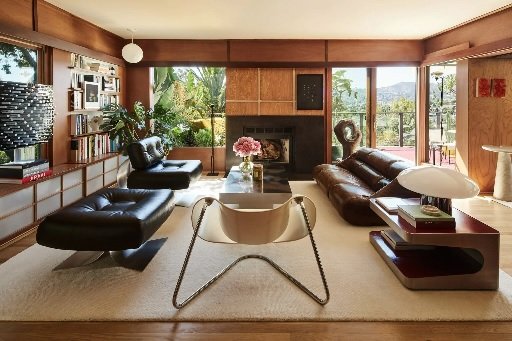
The same thinking applies to a luxury living room interior design. Premium-looking spaces do not have to rely on materials that demand constant care. Durability can be built into the aesthetic from the beginning.
3. Using Fragile Décor and Exposed Finishes
Decorative objects placed at floor level are vulnerable to curious pets, especially energetic puppies and cats that explore shelves, consoles and corners. Delicate furniture edges can present similar problems.
A better approach is to consider the pet’s movement before finalising the décor. Fragile objects can move to higher shelves, while furniture with rounded edges can work well in active areas.
Wall finishes also deserve attention. A carefully selected luxury bedroom can still have personality and visual warmth, but high-traffic areas should be planned with durable, easy-to-maintain finishes.
4. Overlooking Dedicated Pet Storage
Pet food, leashes, toys, grooming supplies and cleaning products can quickly create visual clutter when there is no designated storage.
A compact cabinet near the entrance can hold leashes and towels, while a ventilated storage area near the utility zone can accommodate food and grooming supplies. Feeding stations can also be integrated into cabinetry where appropriate.
The design should account for the household’s routine rather than simply hiding everything away. Easy access matters on rushed mornings and after evening walks.
5. Creating a Layout Without Pet Safety in Mind
A home can look spacious while having several overlooked hazards. Loose wires, unstable décor, inaccessible balconies, and furniture placed too tightly together can all create problems.
Balconies require particular attention in apartment homes. Secure barriers or pet-safe mesh can help reduce fall risks, while a clear circulation path gives active pets room to move. Furniture should also allow enough space for cleaning underneath and around it.
This approach is increasingly relevant across urban India. A 2024 study published in Animals, based on 563 dog owners and 9,282 non-dog owners across seven Indian settlements, found that dog-ownership patterns varied by region and socioeconomic background. The findings highlight why pet-related design needs to consider local living conditions rather than follow one universal model.
Where Can Professional Design Expertise Make a Difference?
In Bengaluru, homeowners considering interior designers in HSR layout may benefit from discussing pet routines before finalising materials, storage and circulation. A dog that spends most of its time near the balcony has different requirements from an indoor cat that climbs cabinetry.
Bonito Designs approaches this broader idea through its Life Design philosophy, including Pet-Friendly Living, Daily Rhythms, Built Around You and Family-First Design. The approach considers how materials, layouts and everyday routines can work together rather than treating pet requirements as an afterthought.
Why Should Pet Needs Be Considered Early?
Pet-friendly design works best when considered during the planning stage. Flooring, upholstery, storage, electrical points and circulation can then be designed as one connected system.
Homeowners working with interior designers in HRBR layout can discuss practical details such as feeding areas, pet storage, balcony safety and scratch-prone surfaces early on, without compromising the overall design.
The goal is not to make a home look like a pet facility, but to create a polished, personal space that comfortably handles muddy paws, toys and everyday pet routines.
FAQs
Which flooring works best for pet owners?
Matt, non-slip tiles and durable surfaces are easier to clean and provide better grip for active pets.
Can wallpaper work in a pet-friendly home?
Yes. Washable finishes and protected high-traffic areas make wallpaper more practical in homes with pets.
How should pet supplies be stored?
Dedicated cabinets near entrances or utility areas keep food, toys, leashes and grooming supplies organised.
Can luxury interiors accommodate pets?
Yes. Durable, washable materials can support sophisticated interiors while accommodating everyday pet-related wear.