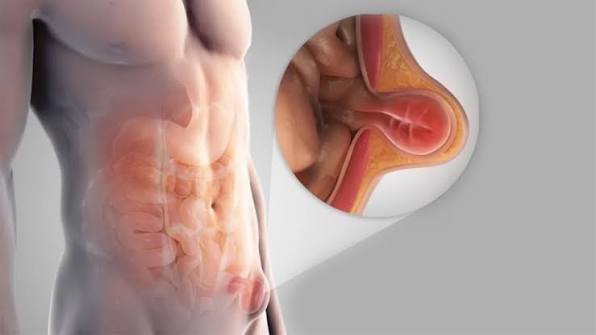
A hernia develops when an internal organ or tissue pushes through a weak area in the surrounding muscle or connective tissue. It may appear as a visible bulge and can cause discomfort during everyday activities. Some hernias remain stable for long periods, while others gradually become more troublesome.
Not every hernia requires immediate treatment, but Hernia Surgery may become necessary when symptoms worsen or complications develop. Understanding when surgery is recommended can help people seek timely medical advice and make informed decisions about their care.
Does Every Hernia Require Surgery?
The need for surgery depends on the type of hernia, its size, the symptoms it causes, and the person’s overall health. Some small hernias with minimal or no symptoms may be monitored through regular medical reviews when appropriate. During this period, the doctor checks whether the hernia remains stable or shows signs of change.
However, a hernia does not heal on its own. If it becomes larger, causes ongoing discomfort, affects daily activities, or increases the risk of complications, surgery is often recommended. An individual assessment helps determine the most suitable course of action.
Signs That Hernia Surgery May Be Necessary
Doctors may recommend surgery when a hernia begins to affect health or daily life. The decision is based on the severity of symptoms, the risk of complications, and how the condition affects everyday activities. Some common signs include:
- Persistent Pain: Ongoing pain or discomfort, especially while standing, lifting, coughing, or exercising, may indicate that the hernia requires treatment rather than continued observation.
- Increasing Size: A hernia that gradually becomes larger may place additional pressure on surrounding tissues and become more difficult to repair if left untreated.
- Difficulty With Daily Activities: When the hernia interferes with walking, working, exercising, or completing routine tasks, surgery may improve comfort and quality of life.
- Hernia Cannot Be Pushed Back: A hernia that cannot be gently returned to its normal position requires prompt medical assessment because it may increase the risk of complications.
- Signs Of Complications: Severe pain, sudden swelling, redness, tenderness, nausea or vomiting, or an irreducible hernia may indicate a complication that requires immediate medical attention.
Recognising these warning signs allows treatment to be planned before the condition becomes more serious.
How Doctors Decide If Surgery Is The Right Option
Doctors consider several factors before recommending hernia surgery. The assessment usually begins with a physical examination and a discussion about symptoms, medical history, and how the hernia affects daily activities. In some cases, imaging tests such as an ultrasound or CT scan may be requested to confirm the diagnosis or evaluate the hernia in greater detail.
The final decision also depends on the type and location of the hernia, the likelihood of complications, the person’s age, and any existing medical conditions. The aim is to recommend treatment that offers the best possible outcome while considering the individual’s overall health.
What Happens If Hernia Surgery Is Recommended?
If surgery is advised, the doctor will explain the available treatment options and what each approach involves. The most common options are:
- Open Surgery: The surgeon makes a small incision near the hernia to return the tissue to its proper position and repair the weakened area, often using surgical mesh for additional support.
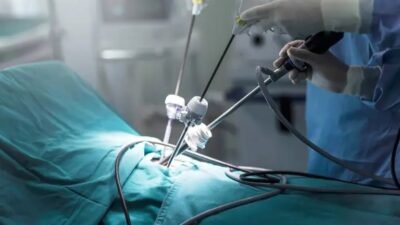
- Laparoscopic Surgery: This technique uses several small incisions and specialised instruments to repair the hernia. It may be suitable for selected patients depending on the type and size of the hernia.
- Recovery: Recovery time varies from person to person and depends on the surgical approach, the type of hernia, and the individual’s overall health. Following medical advice, attending follow-up appointments, and gradually returning to normal activities support a smooth recovery.
Your doctor will recommend the most appropriate approach after evaluating your individual condition and treatment needs.
Conclusion
Although not every hernia requires immediate surgery, changes in symptoms or the development of complications should never be ignored. Early medical assessment helps determine whether monitoring or surgical treatment is the most appropriate option.
Understanding when surgery is necessary allows people to make informed decisions about their health. If you notice a hernia or experience persistent symptoms, consult a qualified healthcare professional for an accurate diagnosis and personalised treatment advice.