
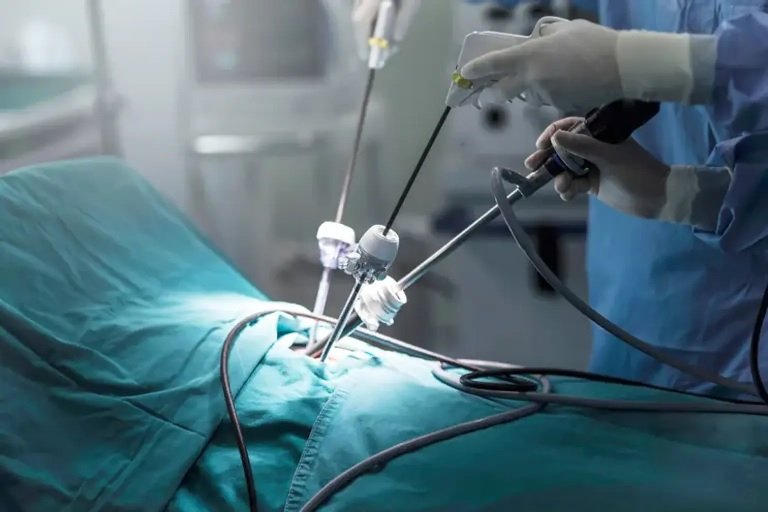
Laparoscopic surgery has improved the way many gynaecological conditions are treated, providing women with a minimally invasive option compared to open surgery. By using small incisions and specially designed tools, doctors can diagnose and treat many gynecological disorders with precision without causing excessive pain.
If you are experiencing persistent pelvic pain, fibroids, ovarian cysts, or fertility concerns, a simple search for “gynecologists near me” can help you find a qualified doctor who can determine if laparoscopic surgery is the right option for you.
Understanding Laparoscopic Gynecological Surgery
Laparoscopic gynecological surgery (also called keyhole surgery) is a minimally invasive procedure that is performed through small abdominal incisions, usually measuring 5-10 mm. A laparoscope is a thin telescope with a high-definition camera that provides a magnified view of the pelvic organs, allowing surgeons to see the pelvic organs so they can carry out complex procedures with precision.
It is often recommended for:
- Ovarian cyst removal
- Surgery for endometriosis
- Fibroid (myomectomy) removal
- Treatment of ectopic pregnancy
- Hysterectomy in selected conditions
- Evaluation and management of infertility
- Removal of adhesions that cause chronic pelvic pain
Benefits of Laparoscopic Gynecological Surgery
Smaller Incisions and Less Pain
Smaller surgical cuts minimise damage to tissue, which causes less pain after surgery and a lower requirement for pain medication.
Quicker Recovery
Most women may recover faster after laparoscopic surgery than after open abdominal surgery. Many procedures can allow discharge within 24-48 hours, depending on the complexity of the operation and health.
Lower Risks of Complications
Because the incisions are small, laparoscopic surgery is associated with:
- Reduced blood loss
- Reduced risk of wound infection
- Lower risk of post-operative hernia
- Early return to normal activities
Improved Visualisation for Surgeons
The camera’s magnified view provides the surgeon with better vision of the delicate structures in the pelvis. This is particularly helpful when treating conditions such as endometriosis or pelvic adhesions where it is necessary to preserve healthy tissue.
What to Expect During Recovery
The amount of recovery required depends on the procedure done, but most women will improve gradually over the first few weeks.
Immediately Post-Surgery
- You might experience the following:
- Mild abdominal discomfort
- Shoulder pain due to the carbon dioxide gas used during surgery
- Temporary bloating
- Slight fatigue
These symptoms usually get better in a few days.
Timeline for Recovery
Recovery may vary from patient to patient, but here is a general timeline:
- 24-48 hours: Able to walk comfortably, may return to light activities.
- 1-2 weeks: Return to normal routine, depending on procedure.
- After 4-6 weeks: Gradual return to strenuous exercise and heavy lifting after medical clearance.
Seek immediate medical attention if you develop persistent fever, severe abdominal pain, excessive vaginal bleeding, foul-smelling wound discharge, or difficulty passing urine. If you are planning for surgery, an online search for the best maternity hospital near me can get you access to experienced laparoscopic surgeons, advanced operation theatres and comprehensive postoperative care that supports a smoother recovery.
The Cloudnine Advantage
Cloudnine provides a wide range of gynaecological conditions with a combination of experienced gynaecologists, advanced laparoscopic technology and multidisciplinary care. The treatment plan is tailored to each patient’s symptoms, reproductive goals, and overall health. Their team provides complete preoperative assessment, minimally invasive surgical expertise and post-surgery support all under one roof. Cloudnine also offers personalised consultations to help women understand their treatment options so they can make well-informed decisions with confidence.
Conclusion
Laparoscopic gynecological surgery has improved the treatment of many common conditions, providing smaller incisions, less pain during recovery, and faster recovery times, without compromising the treatment. Early consultation, correct diagnosis and treatment by experienced specialists can make a significant difference in recovery and long-term health. By understanding the procedure, following postoperative instructions carefully, and seeking prompt medical attention, women can safely resume their normal routines and achieve the right treatment outcomes.