
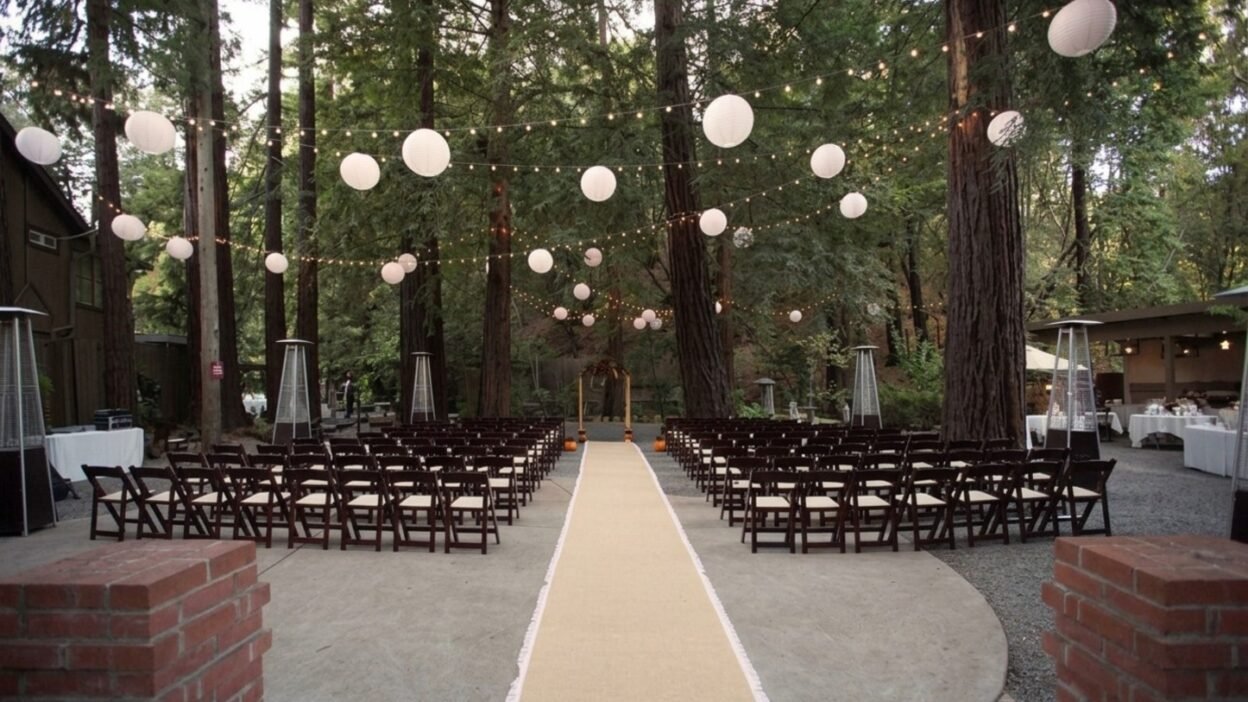
Choosing a place to gather after the loss of someone important is a deeply personal decision. A memorial is not simply a room with chairs and tables. It is where relatives, friends, coworkers, and community members come together to remember a life, share stories, and support one another.
The right memorial venue should make those moments easier, not create additional stress. Location, atmosphere, seating, accessibility, food, technology, and privacy all deserve attention before a booking is made.
Start With the Type of Gathering You Want
Before comparing locations, think about what you want the event to feel like. A traditional remembrance service may need a quiet, organized setting with seating arranged toward a speaker or presentation area. A celebration of life may be more relaxed, with space for conversation, photographs, refreshments, and shared memories.
The expected number of guests matters too. A small gathering can feel more comfortable in a private room, while a larger group may need an open event space with clear pathways and flexible seating.
It can also help to decide whether the event will include:
- Speeches or readings
- A photo or memory display
- Music or video tributes
- A meal or refreshments
- Religious or cultural traditions
- An open period for guests to share memories
Once these details are clear, it becomes much easier to identify the type of space that fits the occasion.
Look at Practical Details, Not Just Appearance
A beautiful venue can still be inconvenient if guests cannot enter comfortably, find parking, or hear the speakers clearly.
During a visit, pay attention to the complete guest journey. Consider parking distance, entrance access, elevators, restrooms, seating arrangements, and areas where older guests or people with mobility needs can sit comfortably.
Technology is another important consideration. If you are planning a slideshow, memorial video, recorded tribute, or livestream, ask about microphones, screens, speakers, projectors, Wi-Fi, and electrical access. Testing everything before the event can prevent unnecessary stress on the day.
Also ask how much time is available for setup and cleanup. Memorial gatherings often involve photographs, flowers, guest books, keepsakes, and personal items that require preparation.
Make the Space Personal
A meaningful memorial does not need elaborate decoration. Small details can make the environment feel connected to the person being remembered.
A memory table could include favorite photographs, letters, awards, books, artwork, or objects connected to hobbies and important experiences. A simple display of family photographs can also give guests natural conversation points before and after the formal part of the gathering.
Think about the room from the guests’ perspective. Is there somewhere quiet to sit? Is the sound level comfortable? Can people move easily between the seating area and refreshments? Does the layout leave enough space for people who may want to talk privately?
A venue that allows some flexibility can make it easier to create a gathering that feels personal rather than overly formal.
Ask About Food, Timing, and Venue Rules
Food can be an important part of a memorial, especially when guests are traveling from different places. Ask whether the venue provides catering, allows outside food, or works with specific catering partners.
Also clarify what is included in the quoted price. Tables, chairs, staffing, setup, cleanup, audio equipment, and extended hours may be handled differently from one location to another.
Before signing an agreement, ask questions such as:
How long can we use the space?
Make sure setup and cleanup time are included.
Can we bring photographs and personal belongings?
Some venues have restrictions on displays, candles, flowers, or wall decorations.
Can we play music or show a video?
Confirm the available equipment and whether staff can help operate it.
Is there a private area for immediate family?
Having a quieter room can be helpful during an emotional day.
What happens if the guest count changes?
Ask whether pricing, catering, or room arrangements will be adjusted.
For families considering a dedicated celebration-of-life setting, a venue offering facilities for remembrance gatherings can be worth exploring alongside more traditional event spaces.
Consider Personal Meaning Over Trends
The most memorable venue is not necessarily the most expensive or fashionable one. A restaurant connected to family traditions, a community space near where the person lived, a hotel gathering room, or a purpose-designed event center can all work well.
The same principle applies to smaller gatherings. People researching company anniversary celebration ideas may focus on food, networking, and entertainment, but a memorial requires a different atmosphere, even when both events involve groups of people gathering in the same type of event space.
Choose a setting that respects the tone of the occasion and gives guests enough room to remember, talk, and spend time together.
Final Thoughts
Selecting a memorial venue is ultimately about creating a comfortable environment for remembrance. Start with the number of guests and type of gathering, then consider accessibility, layout, technology, catering, timing, and personalization.
Most importantly, choose a space where family and friends can focus on the person they came to honor. A thoughtful setting can quietly support the entire experience and help turn a difficult gathering into a meaningful time of remembrance.