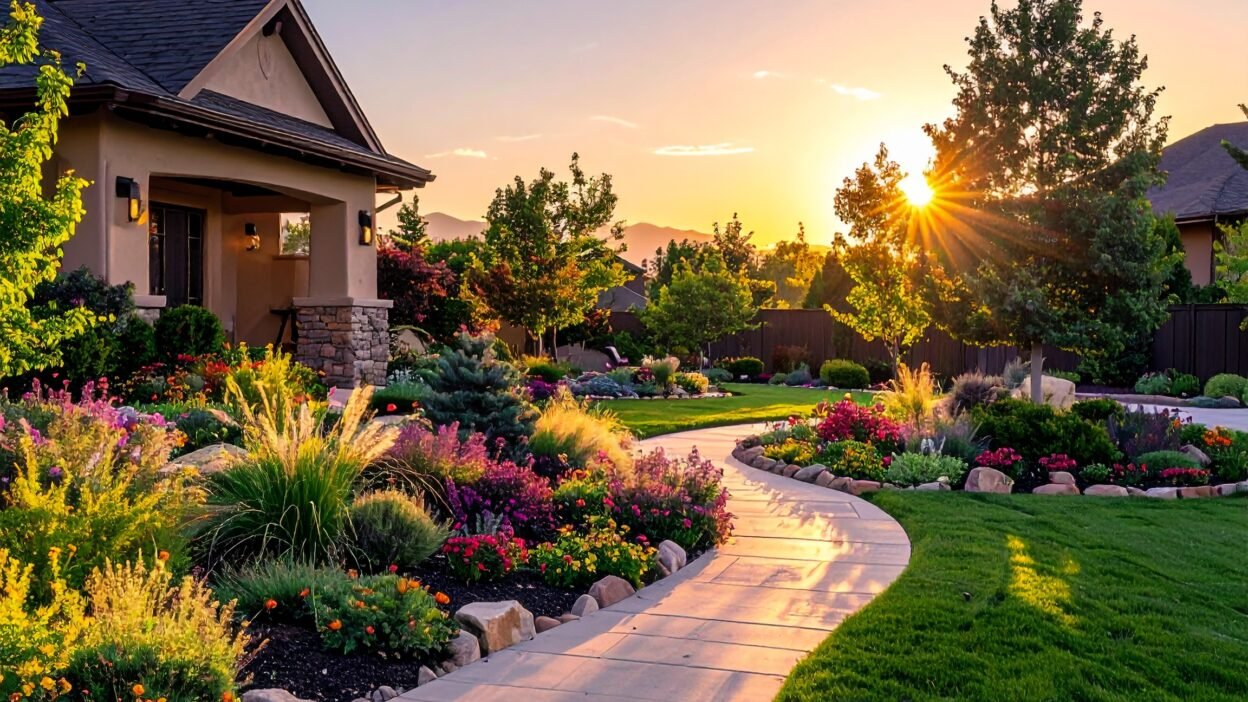
A well planned backyard can become a natural extension of your home. Instead of being used only for occasional yard work, an outdoor area can provide space for family meals, relaxing evenings, weekend gatherings, and time with friends. The key is to create a design that fits the property and supports the way you actually live.
For homeowners planning outdoor improvements, several details deserve attention before construction begins. The climate, available space, sunlight, drainage, privacy, materials, landscaping, and maintenance needs can all influence the final result. Good planning can help prevent common problems and create an outdoor area that remains useful for years.
Start With a Clear Vision
Every successful outdoor project begins with an idea of what the space should accomplish. You do not need to know every detail immediately. Start by thinking about the activities you enjoy and the problems you want to solve.
Perhaps your existing backyard has no comfortable place to sit. Maybe you want an area for outdoor meals or a better space for entertaining. You may also want more shade, privacy, or attractive landscaping.
Think About Who Will Use the Space
The needs of a family with children may be different from those of homeowners who mainly want a quiet retreat. If you frequently invite guests, you may need additional seating and open areas.
Pets can also influence the layout. Durable surfaces and clearly defined planting areas may make the yard easier to use and maintain.
Understanding these needs early can make design decisions much easier.
Look at Your Property Carefully
Before adding a patio, outdoor kitchen, or other feature, examine the existing yard. The size and shape of the property can determine what is practical.
Pay attention to existing trees, fences, slopes, utility areas, walkways, and access points. These features can affect where new construction should be placed.
The location of doors and windows also matters. A patio near a kitchen or living room can make movement between indoor and outdoor areas convenient.
Study Sun and Shade
Spend some time observing how sunlight moves across your backyard. Some areas may receive direct sunlight for most of the day, while others may remain shaded.
This information can help you decide where to place seating, dining areas, plants, and shade structures. A comfortable location during the morning may not be as comfortable during the afternoon.
Good outdoor planning considers these changes instead of relying on a single view of the property.
Prepare for Texas Weather
Texas weather should be an important part of any outdoor design. Strong sunlight and high temperatures can affect comfort, materials, furniture, and plants.
Shade can make a major difference. Covered patios, pergolas, trees, and other shade features can help protect people from direct sunlight.
Rain is another concern. Outdoor areas should be designed with water flow in mind so rain does not collect around the home or create persistent wet areas.
Make Comfort a Priority
A beautiful outdoor space will not get much use if it is uncomfortable. Seating should be placed in practical locations, and shade should be available where people are likely to spend time.
Outdoor fans, suitable furniture, landscaping, and lighting can also improve the experience.
Think about when your family will use the backyard most often. This can help you decide which improvements deserve the greatest attention.
Select Patio Materials Carefully
The patio is often the foundation of an outdoor living area. Its material can affect the look, feel, maintenance, and durability of the space.
Concrete, pavers, natural stone, and other outdoor surfaces can all be used depending on the project. Each option has different characteristics, so homeowners should consider appearance, maintenance, budget, and expected use.
Match the Home’s Style
The patio should complement the existing house rather than look like a separate addition. Colors and textures that work with the home’s exterior can help create a more connected appearance.
Simple coordination can make a significant difference. A well chosen surface can provide a strong foundation for furniture, landscaping, lighting, and other features.
Create Areas for Dining and Relaxation
An outdoor living area can serve several purposes when the layout is planned properly. A dining area can provide space for family meals, while a separate seating area can be used for conversations and relaxation.
If the yard is large enough, different zones can give the property more flexibility. Smaller yards can still work well by combining functions in one carefully planned area.
Leave Enough Open Space
One common mistake is filling the backyard with too many permanent features. People need room to walk, move furniture, and use the area comfortably.
Open space can also make a yard feel larger. Instead of adding every feature available, focus on the improvements that will have the greatest practical value.
Add Outdoor Cooking Features
Outdoor cooking can make backyard entertaining more enjoyable. Depending on the available space and budget, a project might include a simple grill area or a larger outdoor kitchen.
The cooking area should be located where it is convenient to both the house and dining area. There should also be enough room around cooking equipment for safe movement.
Planning these details before construction can make the space easier to use.
Use Landscaping to Improve the Design
Landscaping can help connect hard surfaces with the rest of the yard. Plants can soften patios, define different areas, and add color and texture.
Trees and shrubs can also provide shade and privacy. However, plant selection should consider mature size and maintenance needs.
Create More Privacy
Privacy can make an outdoor area feel more comfortable, especially when neighboring properties are close.
Trees, shrubs, fencing, screens, and planting beds can help create separation. Privacy does not always require completely blocking the surrounding view.
A layered approach can provide screening while keeping the yard open and attractive.
Add Shade for Summer Comfort
Shade is particularly valuable in Texas. A patio that receives direct sunlight all day may be difficult to use during the hottest hours.
Homeowners can consider:
- Covered patios and pergolas
- Shade trees and large landscape plants
- Outdoor shade structures for seating and dining areas
The best choice depends on the size of the property, desired style, budget, and long term goals.
Shade can also help protect outdoor furniture and certain surfaces from prolonged sunlight.
Plan Lighting Before Installation
Outdoor lighting can make a backyard more useful after sunset. It can improve visibility and highlight important landscape features.
Path lights can guide people along walkways, while lighting around seating and dining areas can support evening activities. Accent lighting can draw attention to trees, planting beds, walls, or other features.
Lighting should be balanced. Too little lighting can make movement difficult, while excessive lighting can make the area feel harsh.
Do Not Ignore Drainage
Drainage is one of the most important practical considerations in outdoor design. Water that remains around patios or near the house can create ongoing problems.
The design should consider the natural flow of rainwater across the property. Proper grading and drainage solutions can help direct water away from structures and high use areas.
If your yard already has water collection problems, discuss them before adding new hardscape features.
Plan for Future Maintenance
Every outdoor area requires some level of care. Materials may need cleaning, plants may need trimming, and drainage areas may need occasional attention.
Choose features that match the amount of maintenance you are willing to handle. A simple, well planned landscape can sometimes provide more long term value than a complicated design that requires constant attention.
Understand the Value of a Free Landscape Estimate
A free landscape estimate can help you understand what your outdoor project may involve before you commit to construction.
During an estimate, you can discuss your goals, property layout, preferred materials, landscaping needs, drainage concerns, and desired features. You can also ask questions about installation, preparation, maintenance, and project timing.
An estimate can make it easier to establish priorities and create a realistic budget.
Focus on Your Highest Priorities
You do not have to complete every improvement at once. If your budget is limited, start with the features that will make the biggest difference.
For some homeowners, this may be a patio and shade structure. For others, better landscaping, privacy, or an outdoor dining area may be more important.
A phased approach can allow additional improvements to be considered later.
Design for Long Term Enjoyment
An outdoor living space should remain practical as your needs change. Consider future plant growth, furniture placement, access, maintenance, and the way your family may use the yard several years from now.
Avoid overcrowding the space with permanent features. Leave enough flexibility for changes in furniture, activities, and landscaping.
A thoughtful design can provide enjoyment without making the property difficult to maintain.
Create a Natural Extension of Your Home
The best outdoor spaces often feel connected to the home. Similar materials, colors, textures, and landscape elements can create a smooth transition from indoors to outdoors.
This connection does not have to be complicated. Even small details can make the backyard feel like part of the overall property rather than an unrelated area.
The result should be attractive, comfortable, and practical for everyday use.
Conclusion
A backyard can become a valuable part of your home when it is designed around your lifestyle and property. Climate, sunlight, shade, drainage, materials, privacy, landscaping, lighting, and maintenance all deserve attention before construction begins.
Whether you want a comfortable patio, outdoor dining area, entertaining space, or a complete backyard transformation, outdoor living space design and build in Texas can help you make better use of your property. A free landscape estimate can provide an opportunity to discuss your goals, explore practical options, and understand the potential scope of your project. W5LC Landscape can help homeowners create outdoor spaces that combine comfort, function, attractive landscaping, and long term usability.