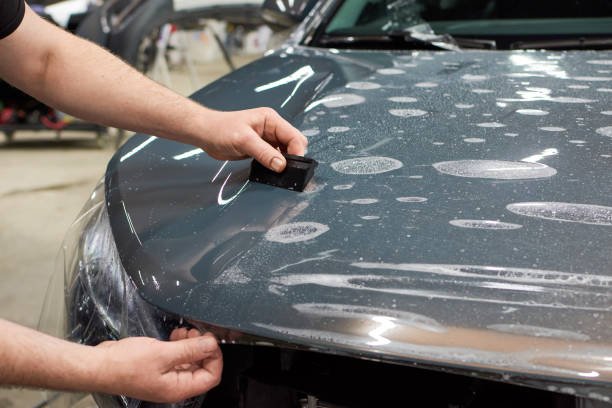
A well-done wrap can change the look of a vehicle in a few days, protect the factory paint, and cost less than a full respray. The catch is that results depend heavily on the planning, the film, and the person installing it. If you are considering Vinyl Wraps in Santee CA, a clear process will help you avoid bubbles, peeling edges, and disappointment. Customization shops such as Audiolux see how much difference proper preparation makes before any film touches the paint. This guide breaks the project into simple steps you can follow from first idea to final cleanup.
Understand What You Want From a Wrap
Pick Your Main Goal
Some people want a bold color change, others want a commercial advertisement, and many simply want to protect the paint. Knowing your main goal shapes every decision that follows, from film type to finish. Write it down before talking to any installer so the conversation stays focused and productive.
Decide How Much Coverage You Need
A full wrap changes the entire vehicle, while partial wraps cover just the hood, roof, mirrors, or accents. Partial options are more affordable and can still create a dramatic look. Think about your budget and how long you plan to keep the vehicle before choosing a coverage level.
Choose Materials That Suit Your Vehicle
Cast Film or Calendered Film
Cast vinyl is thinner and conforms better to curves, which makes it a common choice for full vehicle wraps. Calendered vinyl is more budget friendly and works well on flat surfaces and short-term graphics. Ask your installer which one suits your project and how long it should last.
Finish Options Worth Comparing
Gloss, satin, matte, metallic, and carbon fiber textures each give a different personality. Matte and satin hide fingerprints differently than gloss, and some finishes need more careful washing. Look at physical samples in daylight, since colors on a screen rarely match what you see outside.
Color and Design Tips
Choose a shade that complements your vehicle’s body lines instead of fighting them. For business vehicles, keep logos readable from a distance and limit text so the message lands quickly. Simple, confident designs usually age better than crowded ones.
Prepare the Vehicle Before Installation
Deep Clean and Decontaminate
Vinyl sticks only as well as the surface beneath it, so cleanliness is critical. Installers remove dirt, wax, grease, and road film before applying any film. If you work with a good shop, they will handle this, but you can help by bringing the vehicle in reasonably clean.
Repair Paint Flaws First
Wrap does not hide damage, and it can make some flaws more visible. Before you commit to Vinyl Wraps in Santee CA, review your paint with your installer and fix issues like these:
- Peeling or flaking clear coat
- Deep scratches and rust spots
- Dents that show under glossy film
- Loose trim, badges, or failing body filler
Work With a Skilled Installer
What to Look For
Experience is the biggest factor in a clean wrap. Review past projects up close, paying attention to edges, seams, and tight curves. Reputable shops are happy to show their work, explain their process, and tell you honestly what a particular film can and cannot do.
Questions Worth Asking
Good questions reveal a lot about a shop’s standards and help you compare quotes fairly. Consider asking the installer about:
- The brand and exact film they plan to use
- Whether hardware and trim are removed during installation
- How long the job will take
- What the warranty covers and for how long
Care for Your Wrap After Installation
Washing Habits That Protect the Film
Hand washing with a mild soap is the safest routine. Avoid harsh brushes, high-pressure spray close to edges, and abrasive polishes. Wait about a week after installation before the first wash so the adhesive can fully settle and bond with the surface.
Parking and Sun Protection
Constant sun exposure fades any surface, including vinyl. Park in shade or a garage when possible, and consider a protective sealant made for wrapped vehicles. Taking these small steps can extend the life of your wrap and keep colors looking crisp for years.
Planning for Removal
When the time comes, professional removal protects the paint underneath. Waiting too long can make the adhesive harder to remove cleanly. Ask your installer when to expect replacement based on your film and climate, so you can plan ahead rather than react to cracking or fading.
Frequently Asked Questions
How long do vinyl wraps usually last?
Most quality wraps last around five to seven years with proper care, though climate and sun exposure play a big role. Vehicles parked outdoors all day may see shorter life spans. Regular washing and shade parking help the film stay in good shape for as long as possible.
Will a wrap damage my original paint?
On factory paint that is in good condition, a wrap generally protects it rather than harming it. Problems arise when paint is already damaged or has been repainted poorly. A careful inspection before installation helps identify risks and keeps removal clean when the time comes.
Is wrapping cheaper than repainting?
For many vehicles, a wrap costs less than a high-quality paint job and offers more color and finish choices. Prices vary by vehicle size, film, and complexity. Request a detailed quote so you can compare the true value of both options side by side.
Can I wash a wrapped vehicle at a car wash?
Touchless automatic washes are usually fine, but brush-style washes can scratch or lift edges. Hand washing remains the best choice for long-term appearance. Ask your installer for specific care instructions based on the film and finish you selected for your vehicle.
Closing Thoughts
Good wraps come from good decisions: clear goals, quality film, proper prep, and a skilled installer. Take your time with each step and ask plenty of questions. When you are ready to explore Vinyl Wraps in Santee CA, working with a trusted local team helps ensure the finished look is something you will enjoy for years.