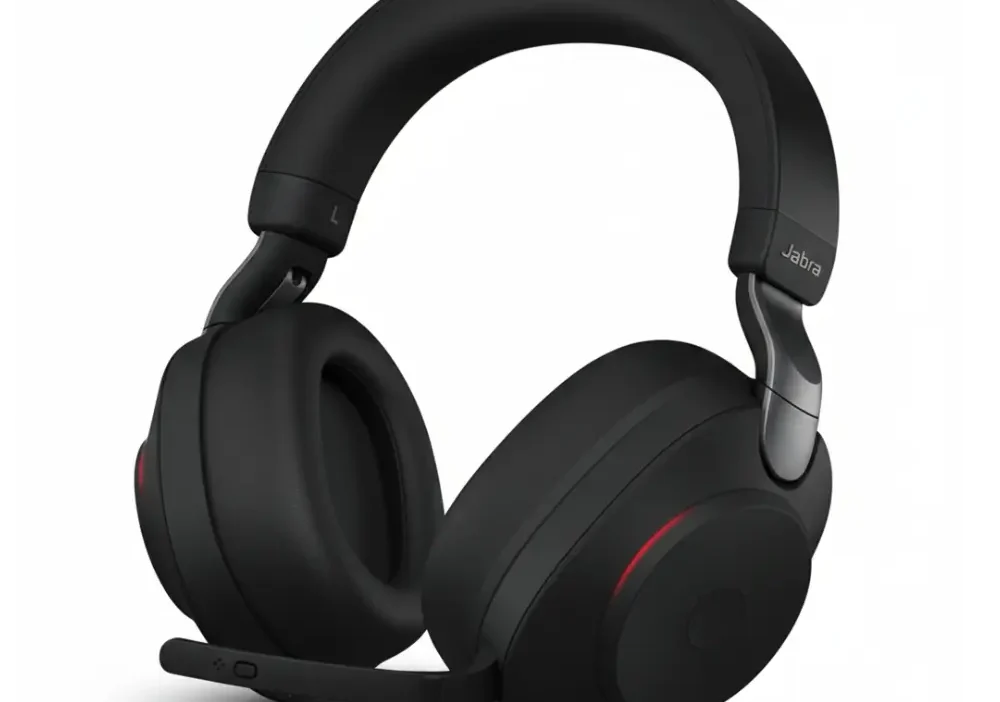
Modern workplaces depend heavily on phone calls, online meetings, customer support, and remote collaboration. As employees move between different tasks throughout the day, staying connected without being tied to a desk can make communication more convenient. Wireless headsets provide a practical solution by giving users greater freedom of movement while maintaining access to professional audio communication.
Why Wireless Headsets Are Useful
Traditional wired headsets can work well for fixed workstations, but they may limit movement around the office. Wireless technology allows employees to step away from their desks while continuing a conversation, depending on the headset’s wireless range and connected devices.
This can be particularly useful for reception teams, customer service departments, sales professionals, managers, and employees who regularly move between their desks and other areas of the workplace.
Modern yealink wireless communication headsets include different designs and connectivity options for professional communication. The available range includes DECT and Bluetooth models designed for office and remote-work environments.
DECT and Bluetooth Connectivity
Wireless headsets can use different technologies depending on their intended application. DECT headsets are commonly used in office environments where users need reliable wireless communication around a workstation. Bluetooth models can provide greater flexibility for connecting with computers, smartphones, and other compatible devices.
Some hybrid models combine DECT and Bluetooth connectivity, allowing users to work across multiple devices. For example, the Yealink WH64 Hybrid supports both DECT and Bluetooth connections for computer and mobile use.
Before selecting a headset, businesses should consider which devices employees use most frequently and whether they need to switch between desk phones, computers, and mobile devices.
Comfort for Extended Workdays
Comfort becomes increasingly important when employees wear a headset for several hours each day. A headset that feels uncomfortable can become distracting and may affect the overall user experience.
Different wireless models offer different wearing styles, including mono and dual designs. A mono headset covers one ear and can allow users to remain aware of their surroundings, while a dual headset covers both ears and can help users focus on calls or meetings.
Adjustable headbands, lightweight construction, and suitable ear cushions can also contribute to a more comfortable experience during extended use. Yealink’s WH62, for example, is available in mono and dual versions and is designed for everyday office communication.
Supporting Busy Office Environments
Open offices can contain conversations, equipment sounds, and other background noise that may interfere with calls. Headsets with appropriate microphone and noise-management features can help employees communicate more clearly in these environments.
Some models are designed specifically for professional communication and include noise-cancellation technologies. The Yealink WH68, for example, combines DECT and Bluetooth connectivity with hybrid active noise cancellation.
However, businesses should evaluate the actual environment before selecting a model. A quiet private office may require different features from a busy call center or open-plan workspace.
Wireless Range and Mobility
One of the main benefits of a wireless headset is the ability to move without remaining connected directly to a desk. The useful range depends on the technology, surrounding environment, connected equipment, and specific headset model.
For example, Yealink’s WH62 is designed with a wireless range of up to 160 meters under appropriate conditions.
A suitable range can be useful for employees who need to walk around an office while continuing a conversation. Businesses should still check the manufacturer’s specifications and workplace conditions before relying on a particular range.
Battery Life and Daily Use
Battery performance is another important factor for wireless headset users. Employees who spend much of their working day on calls need a headset that can support their regular schedule without frequent interruptions for charging.
Charging docks and convenient storage solutions can make daily headset management easier. Businesses with multiple employees may also benefit from establishing simple charging routines so that equipment remains ready for use.
Battery requirements can vary significantly between models, so users should compare expected talk time with their typical working schedule before purchasing.
Choosing the Right Wireless Headset
There is no single wireless headset that suits every workplace. Businesses should consider connectivity, wireless range, microphone performance, comfort, battery life, wearing style, device compatibility, and the type of communication employees handle.
For employees who use desk phones extensively, a DECT model may be appropriate. Those who frequently switch between computers and mobile devices may prefer Bluetooth or hybrid connectivity. Businesses should also check compatibility with their communication platforms and existing equipment.
The right choice should be based on actual workplace requirements rather than simply selecting a headset because it has the most features.
Final Thoughts
Wireless headsets can provide greater flexibility for modern offices, remote workers, customer service teams, and professionals who manage frequent calls. With options ranging from DECT to Bluetooth and hybrid designs, businesses can select equipment according to their communication environment and daily workflow. Headsets can be particularly useful for employees who need reliable audio and comfortable communication throughout the working day.
By considering comfort, connectivity, range, battery life, microphone performance, and device compatibility, organizations can create a more convenient communication setup. A well-selected wireless headset can give employees the freedom to move while staying connected throughout the working day.