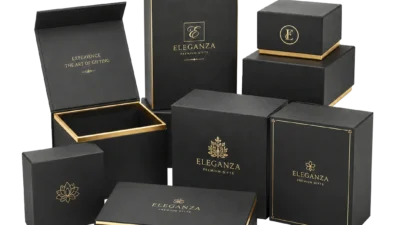
Packaging plays an important role in protecting products, attracting customers, and creating a positive brand experience. Businesses have many packaging options available, but rigid boxes and folding cartons are two commonly used choices. Although both serve the purpose of holding and presenting products, they differ in construction, durability, appearance, storage, and cost.
Understanding the difference between rigid boxes and folding cartons can help businesses select packaging that suits their products, budget, and branding goals. Each option offers specific advantages, and the right choice depends on how a product will be stored, shipped, displayed, and presented to customers.
What Are Rigid Boxes?
Rigid boxes are made from thick, sturdy paperboard that maintains its shape. Unlike ordinary folding cartons, they are generally delivered in a pre-assembled or fixed structure. Their solid construction gives them a premium appearance and makes them suitable for products that require a more distinctive presentation.
These boxes are commonly used for jewelry, watches, electronics, cosmetics, gift sets, and luxury retail products. Their structure can also be enhanced with decorative features such as foil stamping, embossing, debossing, textured paper, and specialty finishes.
Businesses often choose rigid packaging when presentation is an important part of the customer experience. A well-designed box can make a product feel more valuable while providing a practical packaging solution.
What Are Folding Cartons?
Folding cartons are lightweight packaging containers generally manufactured from paperboard. They are cut, printed, creased, and folded into shape during production. Unlike rigid boxes, they are usually shipped flat and assembled when needed.
Folding cartons are widely used for food products, cosmetics, pharmaceuticals, personal care items, and many retail goods. Their lightweight structure makes them convenient for storage, transportation, and large-scale packaging operations.
They also offer plenty of customization opportunities. Businesses can choose different shapes, sizes, printing styles, and finishes to create packaging that represents their brand identity.
Key Differences Between Rigid Boxes and Folding Cartons
Although both packaging types can be customized, several important differences influence their suitability for different products.
1. Construction and Durability
The most noticeable difference is their construction. Rigid boxes use thick, dense board that helps them maintain a firm structure. This makes them suitable for products that need stronger packaging support and a premium presentation.
Folding cartons use thinner paperboard and are designed to fold into a container. They can provide suitable protection for many everyday retail products, but their durability depends on the board grade, dimensions, and packaging design.
For heavier or delicate products, rigid packaging may be a more appropriate option. Folding cartons are often practical for lightweight products and standard retail applications.
2. Appearance and Brand Presentation
Rigid boxes are commonly associated with luxury packaging. Their solid construction creates a substantial feel, while decorative finishes can make the packaging more attractive. Jewelry, premium cosmetics, watches, and gift products often use this packaging style to create a memorable unboxing experience.
Folding cartons can also have attractive designs. High-quality printing, creative artwork, and special finishes allow brands to create professional retail packaging without using a thick rigid structure.
The choice depends on the brand’s positioning. Businesses aiming for a luxury presentation may prefer rigid boxes, while brands seeking attractive and practical everyday packaging may choose folding cartons.
3. Storage and Transportation
Storage requirements are another important consideration. Rigid boxes generally occupy more space because they maintain their shape. This can increase storage and transportation requirements, particularly when businesses order large quantities.
Folding cartons are usually delivered flat, allowing companies to store more packaging in a smaller area. They can be assembled when required, making them convenient for businesses with limited warehouse space.
Companies should consider storage capacity, shipping arrangements, and packaging volume before selecting either option.
4. Customization Options
Both packaging styles offer different customization possibilities. Rigid boxes can be produced in various shapes and sizes, with options such as magnetic closures, removable lids, inserts, and decorative coverings. These features make them suitable for premium products and gift packaging.
Folding cartons also provide flexibility in design. Businesses can select different folding styles, window cutouts, printed graphics, and finishing techniques. Their structure makes them useful for products that need clear branding and practical shelf presentation.
The best option depends on the product’s dimensions, weight, presentation requirements, and intended customer experience.
5. Cost Considerations
Cost can influence packaging decisions, especially for businesses producing large quantities. Rigid boxes generally require more material and additional manufacturing steps, which can make them more expensive.
Folding cartons are often a cost-effective choice for high-volume packaging because they use lighter materials and can be shipped flat. However, the final cost of either option depends on board quality, printing, design complexity, finishing, and order quantity.
Businesses should compare the complete packaging cost rather than focusing only on the price of an individual box.
When Should Businesses Choose Rigid Boxes?
Rigid boxes are a suitable option when packaging needs to support a premium product image. They are commonly selected for:
- Luxury jewelry and watch packaging
- Premium cosmetic and skincare products
- Electronics and accessories
- Corporate gifts and promotional sets
- Special occasion and gift packaging
- High-end retail products
Brands can explore custom rigid boxes to create packaging that reflects their identity and product requirements. Options such as custom dimensions, inserts, magnetic closures, printed designs, and specialty finishes can help businesses develop packaging that looks distinctive and serves a practical purpose.
When Are Folding Cartons the Better Choice?
Folding cartons are useful for businesses that need lightweight, space-efficient, and economical packaging. They are commonly used for:
- Food and bakery products
- Pharmaceutical and healthcare products
- Personal care items
- Everyday cosmetic products
- Small retail accessories
- Household and consumer goods
Their flat shipping format can help businesses manage inventory and storage more efficiently. They also provide enough design flexibility for companies that want attractive packaging for retail shelves.
For products with specific handling or regulatory requirements, businesses should select suitable paperboard grades, coatings, and printing materials.
Environmental Considerations
Environmental impact is another factor worth considering when comparing packaging styles. Both rigid boxes and folding cartons can be manufactured using paper-based materials, but their overall environmental performance depends on the materials, coatings, adhesives, production methods, and recycling facilities available in the market.
Folding cartons often use less material and require less storage space during transportation. Rigid boxes may use more board and additional decorative materials, but some are designed for reuse because of their durable construction.
Businesses interested in sustainable packaging should review material sourcing, recyclability, and local waste-management options before making a decision.
How to Select the Right Packaging for Your Business
Choosing between rigid boxes and folding cartons requires more than comparing their appearance. Businesses should evaluate several practical factors:
Product requirements: Consider the product’s weight, size, shape, and fragility.
Brand positioning: Decide whether the packaging should communicate luxury, simplicity, convenience, or affordability.
Budget: Review material, production, storage, and transportation expenses.
Customer experience: Think about how customers will open, handle, store, and reuse the packaging.
Order quantity: Compare manufacturing and storage requirements for the expected production volume.
By reviewing these points, businesses can choose packaging that supports their operational needs while maintaining a consistent brand image.
Conclusion
Rigid boxes and folding cartons both offer valuable packaging solutions, but they serve different purposes. Rigid boxes are generally preferred for premium presentation, sturdy construction, and gift-oriented products. Folding cartons are often better suited to lightweight retail packaging, efficient storage, and cost-conscious production.
Understanding the difference between rigid boxes and folding cartons allows businesses to make more informed packaging decisions. By considering product requirements, branding goals, budget, and storage needs, companies can select a packaging style that balances functionality and presentation. Exploring suitable custom rigid boxes can also help brands create a distinctive look when a premium packaging experience is important.
For businesses looking to compare packaging styles and explore customized solutions, The Rigid Boxes offers a useful starting point for understanding different packaging options.