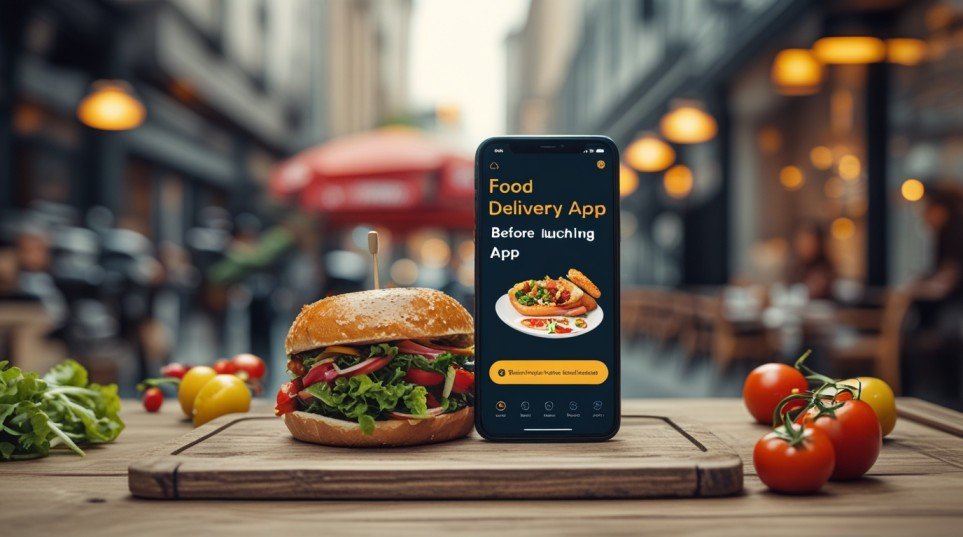
Ordering food from a phone is now routine, and customers expect the whole experience to be quick, clear, and dependable. A food delivery booking platform lets people browse menus, place orders, schedule deliveries or pickups, pay securely, and track progress in real time. For restaurants, cloud kitchens, and entrepreneurs, building one can open new revenue streams and strengthen customer relationships. Success, however, depends on decisions made long before launch. This guide covers the key factors to weigh at each stage, from understanding the opportunity to choosing the right technology partner and planning for growth.
Why Build One: The Benefits of Food Delivery Application Platforms
Before committing budget, it helps to understand what a platform can realistically deliver. The benefits of food delivery application ownership include direct customer relationships, first-party data on ordering habits, and less dependence on third-party marketplaces that take large commissions. Businesses can set their own branding, run loyalty programs, and test promotions without outside restrictions.
Customers benefit too. They enjoy faster ordering, saved preferences, scheduled bookings, live tracking, and multiple payment options. For restaurant partners in a multi-vendor model, the platform provides new sales channels and reach beyond their immediate neighborhood. These advantages make the investment attractive, but they only materialize when the product is planned carefully and built on a solid foundation.
Clarify Your Business Model First
The model determines features, costs, and operations, so it deserves early attention. Common options include:
- Single-restaurant platform: One brand runs its own ordering and delivery.
- Multi-vendor marketplace: Many restaurants list on one app, and the owner earns commissions or fees.
- Cloud kitchen model: Delivery-only kitchens fulfill orders without dining space.
- Booking-led model: The platform combines delivery with table reservations, scheduled pickups, or pre-orders.
Each model changes how orders flow, who handles deliveries, and how revenue is earned. A booking-led approach, for example, requires scheduling logic and slot management that a basic ordering app may not include.
Know Your Audience and Market
Research the area where you plan to launch. Study competitors, delivery zones, average order values, and the complaints customers voice most often, such as late arrivals, missing items, or high fees. Look for gaps you can fill. Some platforms succeed by focusing on healthy meals, regional cuisines, late-night orders, or corporate catering.
Talking to potential restaurant partners and customers early gives practical insight into features and pricing. A platform that solves a clear local problem will find traction faster than one that tries to imitate the largest players.
Plan the Essential Features
A complete platform is really several connected products working together.
Customer app: easy registration, search and filters, menu browsing, scheduled orders, live order tracking, multiple payment methods, ratings, and push notifications.
Restaurant panel: menu and pricing management, order acceptance, preparation-time updates, inventory alerts, and sales reports.
Delivery partner app: order alerts, route navigation, status updates, earnings tracking, and proof of delivery.
Admin dashboard: user and vendor management, commission settings, promotions, analytics, and dispute handling.
Launching with a focused set of reliable features is usually wiser than building everything at once. Advanced options such as loyalty rewards, AI-based recommendations, and subscription plans can follow once the core experience works smoothly.
Choose the Right Development Partner
Technology is the backbone of the business, so the choice of partner has long-term consequences. Many businesses work with an experienced food delivery app development company instead of building an in-house team, which can save time and reduce technical risk. Review portfolios, live apps, client feedback, and the provider’s approach to scalability, security, and support.
Because this platform combines ordering with scheduling, it may also help to look for a food delivery booking app development company that has handled reservations, time slots, and pre-orders. Similarly, a food booking app development company with experience in table reservations or pickup scheduling can add value if the concept goes beyond simple delivery.
Understand the range of offerings as well. Comprehensive food app development services typically include consulting, UI/UX design, backend and frontend coding, testing, deployment, and maintenance. Providers that specialize in on demand food delivery app development services build for real-time dispatching, live tracking, and dynamic pricing from the start, which matters when order volumes rise during peak hours.
Decide Between Custom and Ready-Made Solutions
Not every business needs a fully custom build. A ready-to-launch food delivery app development solution can shorten time to market and reduce upfront cost, especially for first-time founders who want to validate demand. These solutions are often customizable with your branding, payment gateways, and chosen features.
Custom food delivery app development offers maximum flexibility and a unique architecture, but it takes longer and costs more. A practical path for many businesses is to launch with a proven base, gather user feedback, and invest in custom modules where they create a competitive advantage. Whichever route you take, confirm in writing who owns the source code and how future updates are handled.
Prioritize Payments, Security, and Compliance
Customers share names, addresses, phone numbers, and payment details, so trust is essential. Look for encrypted data storage, secure authentication, and integration with reputable payment gateways that support cards, wallets, and cash on delivery where appropriate.
Compliance also matters. Restaurant partners should hold valid food licenses, and the platform should follow applicable data protection and consumer privacy rules in each market. App store policies on payments, privacy, and content should be reviewed early to avoid delays at launch.
Build a Dependable Delivery Operation
An excellent app can still fail if the delivery experience is poor. Decide whether to hire full-time riders, use gig-based drivers, or partner with a logistics provider. Fair pay, clear incentives, and easy-to-use tools reduce turnover and keep delivery times consistent.
Smart dispatching, accurate time estimates, and real-time GPS tracking directly influence customer satisfaction. Plan for peak periods, bad weather, and last-minute cancellations so that service quality holds up under pressure.
Plan Monetization and Launch Strategy
Revenue can come from commissions, delivery fees, service charges, subscriptions, featured listings, and advertising. Choose a mix that feels fair to restaurants and customers, and make sure the platform can support it technically.
For launch, a soft release in one neighborhood or city allows the team to fix problems before expanding. Referral rewards, launch discounts, local social media campaigns, and partnerships with popular restaurants can build early momentum. After release, track delivery times, cancellation rates, repeat orders, and customer ratings, then use the data to improve the service steadily.
Final Thoughts
Building a food delivery booking platform is a strategic project that blends technology, operations, and marketing. Businesses that define a clear model, understand their market, select the right development partner, and invest in security and reliable delivery put themselves in a strong position. Start with a focused product, learn from real users, and expand carefully. With the right foundation, the platform can grow into a trusted brand that customers return to again and again.