Choosing between the TVS Apache RTR 160 and TVS Ronin is less about declaring an overall winner and more about identifying the way you ride. Both can handle city journeys, but one has a sporting commuter brief while the other favours a relaxed, distinctive roadster experience. Understanding those differences makes the purchase decision much clearer.
Two engines with noticeably different personalities
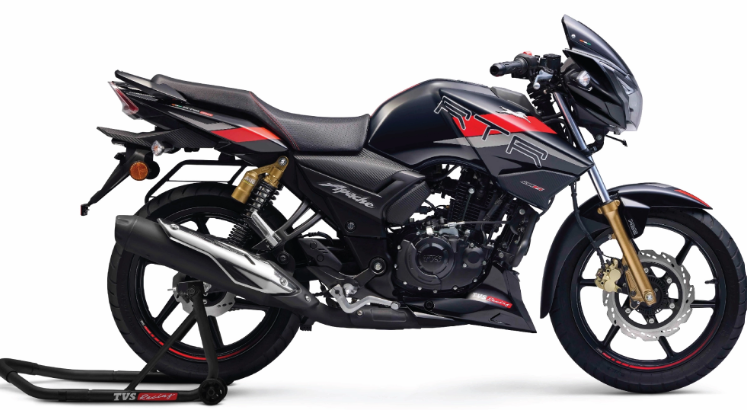
The Apache RTR 160 uses a 159.7 cc engine, while the Ronin has a 225.9 cc single-cylinder unit. Engine size alone does not rank motorcycles because tuning, gearbox ratios and weight shape performance. The Apache’s appeal lies in lively response and a more engaged riding style. The Ronin supplies a stronger low-revving feel that can make unhurried progress easier. On a test ride, compare their response after slowing for speed breakers, not only acceleration on an empty straight road. The useful question is which delivery feels natural to you.
Riding positions deserve more attention than styling
The Apache places greater emphasis on a sporty riding impression, with ergonomics intended for active control. The Ronin has a more upright, relaxed posture and wider-looking stance. Neither arrangement is comfortable for every person. Your height, arm reach, back comfort and typical travel duration determine the difference. Sit on each motorcycle long enough to check wrist pressure and knee bend. For a ride lasting forty minutes in traffic, a comfortable position may matter more than the slight performance advantage you notice during the first minute.
The distinction between Apache 160 versions
Buyers should not confuse the two-valve Apache RTR 160 with the Apache RTR 160 4V. They have different engine layouts and current variant offerings. The 2026 Apache RTR 160 4V range received equipment updates, including projector lighting and additional clutch-feature availability. Those changes cannot automatically be attributed to the standard two-valve Apache. Confirm the full model and variant name on the quotation. A comparison based on the wrong Apache could lead you to budget for features or performance that your selected motorcycle does not offer.
Handling and traffic behaviour on Indian roads
Ride both machines through a safe mix of turns, junctions and rough patches. The Apache can feel more agile to riders who enjoy changing direction quickly. The Ronin’s roadster layout may provide a calmer impression at ordinary cruising speeds. Neither subjective description is a universal result. Tyre condition, suspension setup and rider familiarity affect confidence. Try a U-turn, controlled braking and a gentle climb where permitted. If your parking area has a steep ramp or tight entry, practise manoeuvring the bike by hand before deciding.
Equipment, safety and variant selection
Check the exact brake and ABS configuration on both shortlisted variants. Anti-lock braking can help prevent wheel lock under suitable conditions but does not eliminate the need for safe speeds and proper tyres. Inspect tyre condition and pressure when evaluating the brakes; poorly maintained rubber can mask a motorcycle’s true stopping behaviour. Compare lighting, instrument visibility and the switches you will use daily. Connected functions may be worthwhile if you genuinely use navigation or call notifications. A simpler dashboard can be preferable for a rider who wants minimal distraction, particularly during unfamiliar trips where the traffic itself demands full attention. Evaluate each feature as a practical benefit instead of assuming that the longer equipment list guarantees better riding.
Fuel, servicing and long-term ownership
The Apache’s smaller engine may suit a buyer prioritising commuter economics, although actual mileage depends heavily on use. The Ronin brings a different engine character and may have different routine service and consumable costs. Ask the workshop for the official service intervals and typical scheduled-work items. Check tyre specifications before estimating replacement costs. A careful buyer also considers insurance renewal, chain maintenance and where authorised service is available. These expenses continue regardless of whether the bike was bought with savings or an EMI arrangement.
The financial difference can change the result
Obtain current ex-showroom quotes for comparable variants, not accessories fitted to a display motorcycle. If financing, compare the down payment, effective interest method and total repayment for each. A seemingly small price gap can grow when combined with interest and additional equipment. Conversely, buying a model you dislike only because it carries a slightly smaller EMI may prove frustrating. Establish a maximum monthly transport budget that includes fuel, service and insurance provisions. Use that ceiling to shortlist versions before visiting a lender.
The better choice depends on the ride you repeat
Choose the Apache RTR 160 if a sharper commuter character, sporty control and a familiar 160 cc class match your priorities. Consider the Ronin when relaxed riding posture, low-revving feel and roadster design appeal more. A comparable route on both test rides is more useful than an isolated specification comparison. The motorcycle that feels composed during your ordinary commute is likely to be the one you enjoy owning.