
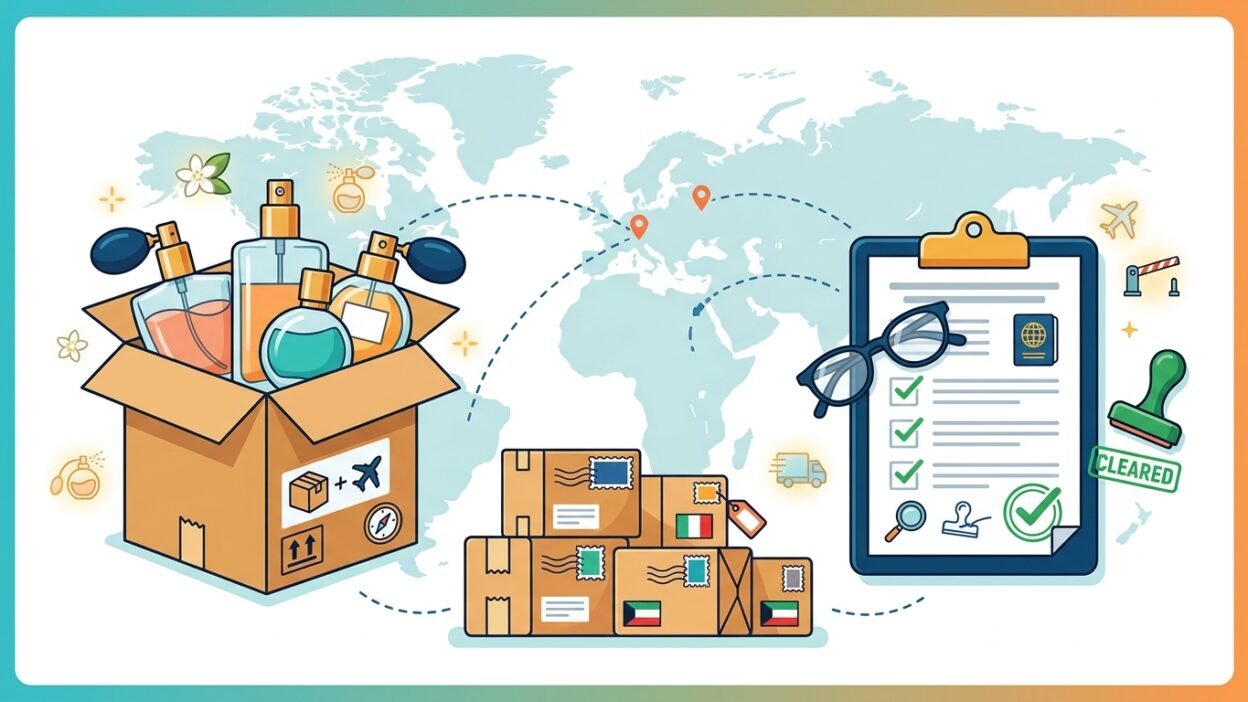
To ship perfume internationally without friction, you have to stop treating your fragrances like standard retail items. If you run a USA-based brand, you know the absolute frustration of watching a pallet of premium fragrance sit locked inside a foreign customs warehouse. We understand the pain points: confused freight forwarders, unexpected border taxes, and shattered glass atomisers ruining the entire shipment. Getting your signature scents from a domestic facility to buyers across Europe or Asia feels like trying to solve a puzzle while blindfolded. Your customers just want their orders fast, and they definitely do not care about international red tape. But as a brand owner, ignoring border regulations means immediate package rejection, massive return fees, and terrible online reviews. Let’s fix your logistics workflow so your global rollout runs smoothly and profitably.
Selling across borders requires a completely different mindset compared to local domestic mail. A domestic courier might overlook a poorly packed box, but port authorities and international aviation inspectors follow the rules to the letter. They will flag, hold, and destroy non-compliant cargo. Securing your supply chain means mastering the paperwork, upgrading your packaging, and demanding total transparency from your manufacturing partners.
How do you ship perfume internationally without triggering holds?
You ship perfume internationally without triggering holds by declaring every single bottle as a regulated hazardous material from the exact moment it leaves your warehouse loading dock. Most high-end scents contain high concentrations of ethyl alcohol, which acts as the carrier for the fragrance oils. This alcohol base legally classifies the product as a Class 3 flammable liquid under strict International Air Transport Association (IATA) rules. When border agents and customs officers scan your airway bill, they look specifically for UN 1266 hazard declarations. If those critical identification numbers are missing, the cargo stops moving immediately.
You’re left paying daily storage fees at a port facility while frantically emailing safety data sheets to government inspectors. To prevent this, your logistics team must accurately label the outer cartons with flammable liquid diamonds and proper shipping names. Providing the correct paperwork upfront acts as a fast-pass through border checks, keeping your delivery timelines tight and your customers happy.
What role does customs compliance for perfume shipping play?
Proper customs compliance for perfume shipping acts as the legal passport that allows your brand to enter new, highly profitable foreign markets without legal friction. Without accurate commercial invoices and correct harmonised codes, your business stalls at the border. You need to assign the exact Harmonized System (HS) Code 3303.00 to all perfumes and toilet waters leaving your facility. This universal code dictates the import duties your foreign buyers must pay to their local government.
If you mislabel a shipment as “general cosmetics” or “glassware” to try and bypass hazardous material rules, authorities like US Customs and Border Protection (CBP) will penalise you heavily for false declarations. A single audit can freeze your export privileges for months. Clean data, accurate item descriptions, and transparent material safety sheets ensure that customs brokers can clear your pallets in hours rather than weeks.
How do you safely pack apparel, leather goods, and perfume together?
You safely pack apparel, leather goods, and perfume together by creating a physical, leak-proof barrier between the fragile liquid containers and your porous textiles. From a USA-based brand perspective, cross-selling a signature fragrance alongside a premium leather jacket or a heavy cotton hoodie increases your average order value dramatically. But mixing these items is a total recipe for disaster if a glass bottle shatters during a rough transatlantic flight.
A single ounce of leaked perfume will permanently stain expensive leather and ruin dyed cotton garments, leading to expensive chargebacks. To prevent this cross-contamination, seal the fragrance inside a heavy-duty, leak-proof plastic bag filled with absorbent pads. Place this sealed unit inside its own rigid, crush-proof cardboard box. Only then should you pack it next to the apparel inside the main shipping carton. The soft clothing acts as secondary shock absorption, but the liquid remains entirely isolated from the fabric.
What red flags should you watch for with overseas manufacturers?
The main red flags when sourcing from overseas manufacturers include a refusal to provide chemical safety data sheets, cheap glass mouldings, and missing drop-test certifications. When building a USA-based brand, you might look overseas to lower your production costs on glass atomisers, outer packaging, and even the apparel you cross-sell. But cheap components often fail under the extreme pressure changes of commercial air transit.
If an overseas supplier refuses to share the exact flash point of their alcohol base, walk away immediately. If their glass bottles show visible air bubbles or uneven, wobbly bases, the structural integrity is compromised. A weak metal crimp on the spray pump will leak the moment cabin pressure drops at 30,000 feet. You must demand third-party quality control reports before importing thousands of empty bottles or finished goods into the USA. Refuse to risk your brand’s reputation just to save a fraction of a cent on poor factory standards.
Required Border Clearance Documents vs Common Errors
A fast review of standard paperwork requirements shows exactly where most inexperienced e-commerce sellers make expensive mistakes at the border.
| Document Type | Purpose at Customs | Common Brand Mistake |
|---|---|---|
| Commercial Invoice | Proves the transaction value for taxation. | Under-declaring value to save on tariffs. |
| Safety Data Sheet (SDS) | Details chemical makeup and flash points. | Using an outdated sheet from a different formula. |
| Shipper’s Declaration | Legally certifies the dangerous goods package. | Forgetting to sign the document in ink. |
| Certificate of Origin | Proves where the goods were manufactured. | Assuming the “shipped from” address counts as origin. |
How do Delivered Duty Paid (DDP) terms speed up delivery?
Delivered Duty Paid (DDP) terms speed up delivery by ensuring your company calculates and pays all import taxes upfront, rather than forcing the foreign customer to pay before the courier drops off the box. When you send goods under Delivery Duty Unpaid (DDU) terms, customs agents hold the parcel hostage until the local buyer pays the owed VAT or import fees online. This creates a terrible customer experience.
Often, the buyer feels blindsided by the extra bill, refuses to pay the tax, and abandons the package. The courier then charges your brand a massive return shipping fee to fly the rejected perfume back to your warehouse. By integrating a DDP calculator into your online checkout, you collect the necessary taxes at the point of sale. The shipment clears customs automatically, and the package goes straight to the buyer’s front door without any surprise invoices.
Frequently Asked Questions (FAQs)
1. Do I need a special license to export fragrances from the USA?
You do not need a specific federal export license for standard retail perfumes, but you must have a dangerous goods contract in place with your chosen carrier. Your warehouse staff must also hold current hazmat packing certifications to sign the required transport declarations.
2. Can customs seize my products if the paperwork is wrong?
Yes, border agents have the legal authority to seize, quarantine, or destroy any packages that contain undeclared flammable liquids. They will not return the items to you if they deem the package unsafe for transport.
3. What is the correct HS Code for standard retail perfume?
The globally recognised Harmonized System code for perfumes and toilet waters is 3303.00. Using this exact code ensures foreign governments apply the correct tax rate to your shipments.
4. Will extreme temperatures during air freight ruin the scent?
Short-term temperature drops in a cargo hold rarely damage high-quality formulations. However, extreme heat on a tarmac can cause the alcohol to expand rapidly, which is why secure, leak-proof packaging is a strict legal requirement.
Stop Leaving Your Global Growth to Chance
Taking your fragrance brand to an international audience is one of the fastest ways to scale your revenue. But leaving your logistics and border clearances to chance is a fast track to burnt cash and ruined inventory. Sorting out your hazardous material paperwork, protecting your cross-sold apparel, and vetting your overseas suppliers protects your margins. When you strip away the friction at the border, your business can run on autopilot.
At Ship-Perfume, we provide the exact infrastructure you need to bypass border delays and reach international buyers safely. We handle the strict packing rules, the complex customs declarations, and the carrier negotiations so you don’t have to guess. Contact Ship-Perfume today, and let’s get your products moving smoothly across the globe.