
Yesterday I was in the grocery store, honestly just lurking around, standing next to a bag of chili-mango gummies, when I noticed a label that said “brown butter toffee.” Candy doesn’t look like it used to. At all. Five years ago, this same shelf was full of gummy bears, chocolate bars, and perhaps, if the store was feeling adventurous, a neon sour candy pouch. Now? It’s more of a specialty coffee menu than a candy aisle. The odd taste, strange packaging, and an interestingly thought-out shelf all add up. In a nutshell: It’s 2026 candy, and it’s worth dissecting.
Flavors Have Gotten Strange, and Nobody’s Complaining
Candy played it safe. Fruit, chocolate, mint. The same 3 lanes for decades. Well, that’s not exactly the case anymore. Chili-mango, tajín-lime, a ghost pepper caramel I tried with a friend at a friend’s place, right on a whim, I’ll never forget that one, for the right reasons. Sure, not so long ago this stuff was a weird specialty-shop thing: Now it’s right next to Skittles, just standing on the shelf.
Savory candy is a thing now, too, which still sounds off when I say it out loud. Miso caramel. Dark chocolate with smoked sea salt worked in. Brown butter toffee, which, okay, I’ll admit it, might be my favorite candy right now, full stop. The line between “dessert” and “gourmet snack” basically doesn’t exist anymore.
And then there’s nostalgia, except done properly this time, not lazily. Root beer float gummies are back. Cream soda hard candy. Old-school butterscotch. But reformulated less of the dye, more actual extract. Feels aimed squarely at people who grew up on this stuff and want their own kids to have it, minus a few of the ingredients that got bad press a decade or two ago.
Fruit flavors got specific too. Nobody just writes “strawberry” anymore. It’s yuzu now. Blood orange. Dragon fruit, for a two-dollar candy bag. That kind of labeling used to be associated with craft beer or fancy soda. Says something about how candy companies think shoppers want to be talked to these days.
Smaller Bags, Bigger Thinking
Format matters just as much as flavor this year, maybe more. Mini pouches and snack multipacks are outselling the old single-flavor bag in many stores because people don’t want to commit to one flavor for an entire bag. Fair enough.
Functional candy is the other piece, gummies with fiber added in, chocolate bites with a little protein, sometimes a small caffeine kick. This used to live only in health food stores. Now it’s mainstream. I’m a little skeptical of it, if I’m honest, but the sales numbers don’t lie. People like the idea of indulging without quite as much guilt.
Texture, though that’s the part I find genuinely interesting. Crunchy shell, gooey center. Fizzy coating over something chewy. Candy makers are lifting tricks straight from high-end dessert kitchens at this point. Taste isn’t the whole story anymore. It’s what happens in your mouth over those ten seconds.
The Shelf Is Part of the Product Now
Here’s something that doesn’t get talked about enough. How candy gets displayed in a store matters almost as much as what’s inside the wrapper. Candy’s a classic impulse buy, everyone knows that — and retailers figured out a while back that the container it comes in can decide whether someone grabs an extra bag on the way to checkout or just walks past.
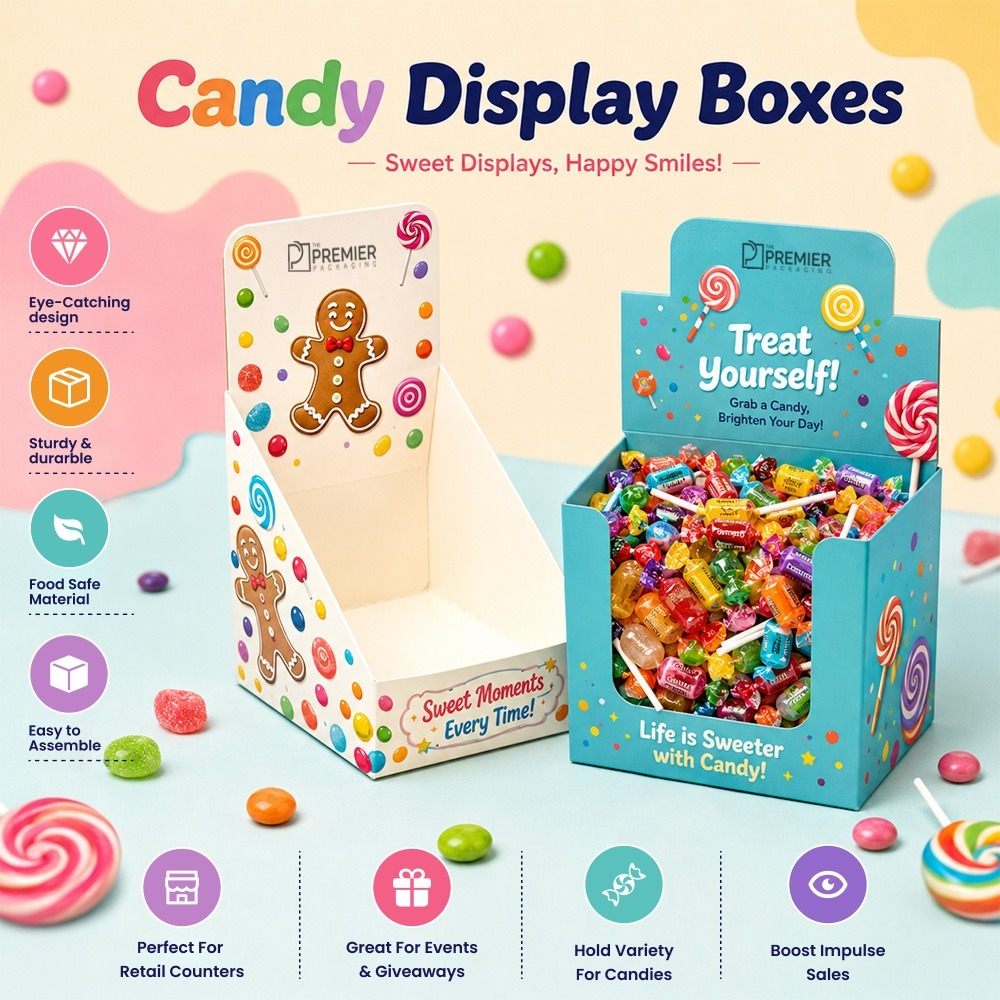
Plain cardboard bins by the register, mostly gone at this point. What you see now are candy display containers with real thought put into them. Clear acrylic. Tiered shelving. Little modular sections so you can scan the whole lineup instead of digging through a pile like it’s a bargain bin. Sounds like a small detail. It isn’t. A messy bin and an organized display can produce very different sales numbers for the exact same candy.
Seasonal releases lean on this hard. A limited-run candy line kind of lives or dies on how it’s shown off, and a good candy display container can turn a forgettable end-cap into the spot everyone stops at without really meaning to. Smaller candy brands, especially, have been pouring money into this — not ads, the actual physical shelf presence, because for a lot of them that’s the only marketing moment they get, standing right there with someone’s cash already in hand.
There’s a sustainability side too. A lot of these newer containers are now recyclable or biodegradable, and that actually matters to shoppers more than it used to. Turns out eco-friendly packaging doesn’t have to look cheap. Some of the nicer displays out there are also the greener ones, which is a nice coincidence, or maybe not a coincidence at all.
What’s Actually Pushing People to Buy
Underneath all of it, people read labels now. That’s not a niche thing anymore; it’s just expected. Candy brands have had to cut back on artificial additives and be clearer about sourcing, because customers actually notice and actually care.
At the same time, nobody’s giving up the treat-yourself thing. Candy’s still one of the cheapest little luxuries around, and when money’s tight, people tend to hold onto small indulgences even while cutting everything else back. Economists call this the lipstick effect. Holds up pretty well in a candy aisle too, turns out.
Personalization’s picking up steam as well. Build-your-own mixes. Customizable gift boxes. One-off collabs tied to a show or an event. Younger shoppers especially seem to want candy that feels chosen, not just grabbed off a shelf on autopilot. It’s less about the sugar content and more about what the choice says about them, honestly.
Where This Leaves Things
If there’s one takeaway from 2026, it’s that candy stopped being just candy a while ago. It’s flavor ideas borrowed from other industries entirely, formats built around how people actually snack now, and a retail presentation game that’s finally getting the attention it probably always deserved. The brands doing well aren’t necessarily the ones with the biggest budgets. They’re the ones paying attention to the whole thing, start to finish, from the first glance at a shelf to the last bite of something weird and new.
Next time you’re in that aisle, take a second look at the display itself, not just the candy sitting in it. There’s more strategy behind that shelf than you’d think.
One packaging company that’s come up more than once in conversations I’ve had with candy makers is The Premier Packaging. They’ve worked with smaller confectionery brands to build display setups that hold their own next to competitors with way bigger budgets. Kind of a reminder that you don’t need a massive ad spend to compete, sometimes you just need your product to look as good on the shelf as the big guys’ do.