
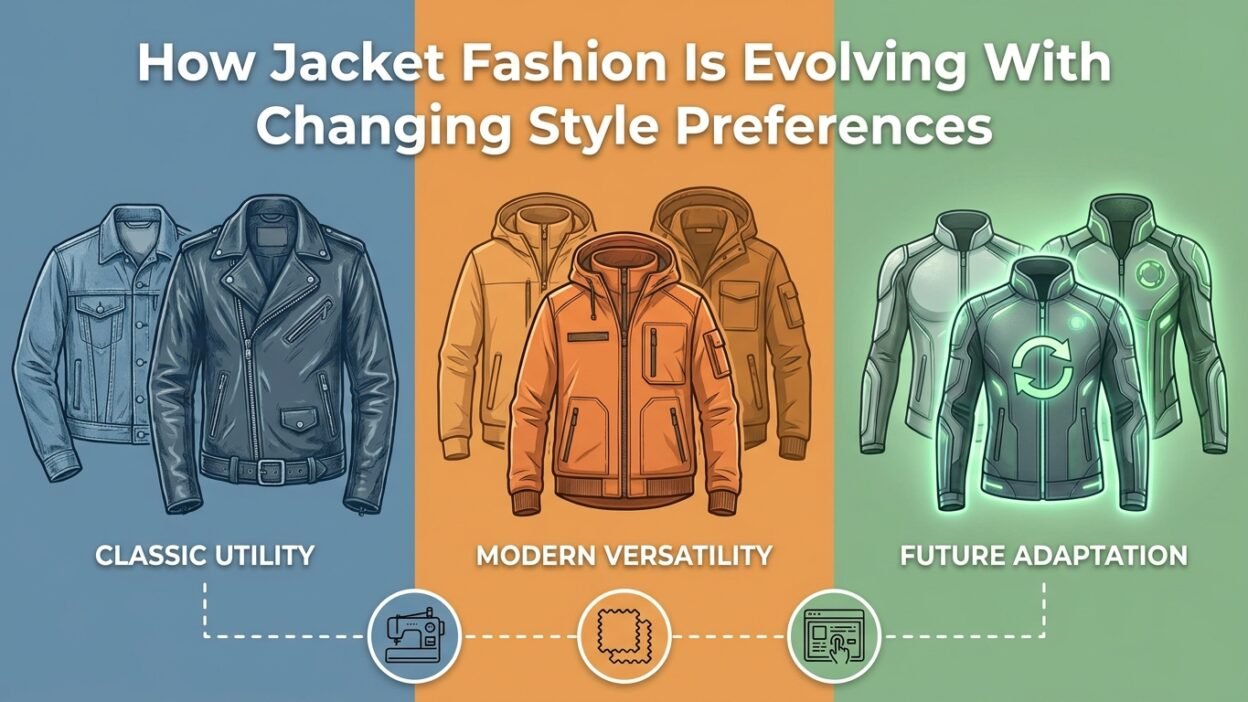
Jacket fashion has never been static. From structured outerwear and classic leather pieces to oversized streetwear and performance-inspired layers, jackets continually adapt to reflect the way people live, work, socialize, and express themselves. What was once viewed primarily as a practical layer for protection from changing weather has become a major component of personal style and cultural identity.
Today’s consumers are also approaching fashion differently. Comfort, versatility, individuality, functionality, and visual identity increasingly influence purchasing decisions. Instead of buying a jacket simply because it follows a seasonal trend, shoppers often look for pieces that can move between different parts of their lifestyle. A single garment may need to work for casual weekends, travel, social events, outdoor activities, or relaxed workplace environments.
This shift has encouraged designers and fashion brands to rethink everything from silhouettes and materials to color palettes, graphics, and construction details. The modern jacket sits at the intersection of fashion and function, giving consumers more ways to communicate their personality while meeting everyday practical needs.
The Shift From Traditional Outerwear to Lifestyle Fashion
Historically, jackets were often defined by their intended purpose. A blazer belonged to formal wardrobes, a raincoat addressed wet weather, a bomber jacket represented military-inspired utility, and a denim jacket occupied the casual category. While those distinctions still exist, contemporary fashion has become considerably more fluid.
Consumers increasingly mix categories that once seemed separate. A sporty jacket can be worn with tailored trousers, a casual hoodie can become part of a layered streetwear outfit, and technical outerwear can be styled with everyday sneakers and relaxed denim. This blending of categories has made jackets more versatile and expanded their role within the modern wardrobe.
Several factors are driving this evolution:
- Casualization of everyday dressing: Relaxed silhouettes have become acceptable across a wider range of social settings.
- Growth of athleisure: Sportswear influences have introduced performance fabrics and athletic detailing into mainstream fashion.
- Demand for versatility: Shoppers increasingly prefer garments that can be styled multiple ways.
- Personal expression: Graphics, colors, patches, logos, and distinctive silhouettes allow jackets to communicate individual identity.
- Function-first design: Practical details such as pockets, adjustable hoods, lightweight insulation, and weather-resistant materials add everyday value.
As these preferences continue to overlap, jacket fashion is becoming less about rigid categories and more about creating pieces that fit naturally into different lifestyles.
Streetwear Is Redefining the Modern Jacket
One of the most influential forces shaping contemporary jacket fashion is the continued expansion of streetwear. What began as a collection of niche subcultures has become a major influence on mainstream apparel. Streetwear emphasizes comfort, recognizable visual elements, relaxed proportions, and cultural relevance, all of which have changed how consumers evaluate outerwear.
Oversized cuts are particularly important in this transition. Rather than prioritizing close-fitting construction, many modern styles create additional volume through dropped shoulders, wider sleeves, longer bodies, and relaxed hems. These proportions make layering easier while producing the casual silhouette that many younger consumers associate with contemporary fashion.
Graphic-driven apparel has also changed the relationship between jackets and personal identity. A garment can function almost like a visual statement, using bold typography, recognizable motifs, cultural references, or distinctive color combinations. This is especially relevant to consumers who see fashion as an extension of their interests rather than simply a way to dress appropriately for an occasion.
Layering has become another major element of streetwear-inspired dressing. Instead of treating a jacket as the final piece of an outfit, consumers may build an ensemble around multiple layers. A lightweight outer layer over a sweatshirt, for example, can provide warmth while adding depth and contrast to the overall look.
This approach has encouraged brands to design jackets with layering in mind. Roomier armholes, flexible fabrics, practical closures, and slightly oversized proportions can make a jacket more adaptable to changing temperatures and different styling preferences.
Hooded Styles Are Becoming More Versatile
The hoodie has evolved from a basic athletic garment into one of the most recognizable pieces of contemporary casual fashion. Its influence has naturally extended into jacket design, where hooded silhouettes combine the relaxed appeal of sweatshirt construction with the structure and coverage of outerwear.
A modern hooded layer can serve several purposes at once. It can provide additional warmth, create a casual visual profile, and become a foundation for streetwear-oriented styling. Consumers who prioritize comfort often appreciate the familiar construction of hooded garments, while fashion-conscious shoppers can use graphics and distinctive colorways to create a stronger visual identity.
For example, a sincerely yours hoodie can be incorporated into an outfit that combines relaxed bottoms, sneakers, and a complementary jacket. The broader styling principle is important: consumers are increasingly interested in clothing that can function as part of an outfit system rather than as an isolated statement piece.
Layering also allows hooded garments to transition between seasons. A lighter hoodie can work underneath a jacket during cooler months, while a heavier hooded design may serve as a standalone outer layer during milder weather. This flexibility gives consumers more value from individual pieces and encourages brands to focus on products that remain useful beyond a single season.
The Rise of Athleisure and Performance-Inspired Details
Athleisure has fundamentally changed expectations surrounding comfort. Consumers have become accustomed to stretch fabrics, lightweight construction, ergonomic cuts, and soft-touch materials in everyday clothing. As a result, traditional fashion categories are increasingly borrowing ideas from sportswear and performance apparel.
Jackets are particularly well suited to this development because outerwear naturally benefits from functional construction. Breathable fabrics, moisture management, lightweight insulation, articulated sleeves, adjustable cuffs, and technical zippers can improve the practical performance of a garment without sacrificing its visual appeal.
Performance-inspired styling also extends beyond actual athletic use. A jacket featuring sporty paneling or technical fabric may never be worn during exercise. Instead, its aesthetic communicates speed, energy, modernity, and an active lifestyle.
This distinction between performance and performance-inspired fashion is important for brands. Not every consumer needs professional-grade technical specifications. Many shoppers simply want the visual language and comfort associated with activewear while maintaining an everyday appearance.
| Style Influence | Common Jacket Features | Consumer Appeal |
|---|---|---|
| Streetwear | Oversized proportions, graphics, bold branding, relaxed construction | Self-expression and cultural relevance |
| Athleisure | Stretch materials, lightweight fabrics, ergonomic cuts | Comfort and everyday versatility |
| Utility Fashion | Multiple pockets, durable textiles, adjustable details | Practicality and functionality |
| Minimalism | Clean lines, neutral colors, subtle branding | Timeless styling and easy coordination |
| Retro Revival | Vintage colors, classic silhouettes, heritage-inspired details | Nostalgia and distinctive character |
Pop Culture Is Influencing What Consumers Wear
Fashion trends rarely develop in isolation. Music, entertainment, sports, gaming, social media, and internet culture can all influence the clothing consumers want to wear. Jackets and hoodies are especially effective vehicles for these cultural references because they provide generous surface area for graphics, logos, typography, and recognizable design elements.
Energy drink branding, motorsports aesthetics, gaming references, and celebrity-inspired styling can all create demand for visually distinctive pieces. These garments are not necessarily purchased because consumers need another layer. They are purchased because the design represents an interest, community, personality, or cultural moment.
The popularity of designs such as a monster energy hoodie illustrates how branded visual identity can influence casual apparel preferences. Strong color contrasts, recognizable graphics, and associations with energetic lifestyles can transform a simple hooded garment into a statement piece.
This development is significant for fashion brands because it demonstrates the value of cultural positioning. Consumers increasingly want products that feel connected to something larger than the garment itself. A jacket can become a representation of a favorite activity, entertainment property, subculture, or lifestyle.
Comfort Is No Longer Negotiable
One of the most important changes in consumer preferences is the growing importance of comfort. Consumers are spending more time looking for garments that feel good throughout the day, particularly as boundaries between work, leisure, travel, and social environments become less rigid.
Comfort, however, does not necessarily mean sacrificing style. Modern jacket design is increasingly focused on achieving both. Soft linings, flexible materials, ergonomic sleeves, relaxed fits, and lightweight construction can improve wearability while maintaining a polished appearance.
Fit remains a particularly important consideration. While oversized jackets continue to attract attention, there is no single silhouette that defines contemporary fashion. Some consumers prefer structured outerwear that creates a sharper profile, while others want relaxed pieces that can accommodate multiple layers.
This diversity means brands need to understand their specific audience rather than assuming that one universal fit will satisfy every shopper. Offering multiple silhouettes, carefully developed size ranges, and clear fit descriptions can make a significant difference in customer satisfaction.
Sportswear and Tailoring Are Moving Closer Together
Another defining characteristic of modern fashion is the gradual disappearance of strict boundaries between formal and casual clothing. Consumers are increasingly combining tailored pieces with sneakers, hoodies, technical garments, and relaxed outerwear.
This hybrid approach has influenced jacket design considerably. Traditional tailoring techniques are being adapted to softer fabrics and more relaxed shapes, while sportswear elements are being incorporated into garments with more sophisticated construction.
Tech fleece is a useful example of this broader movement. It brings together the visual identity of athletic clothing with the comfort and structure required for everyday wear. A piece styled around a maduro nike tech aesthetic can sit comfortably within a wardrobe built around sneakers, casual jackets, fitted basics, and contemporary accessories.
The appeal lies in versatility. Consumers do not necessarily want separate wardrobes for every aspect of their lives. Instead, they increasingly value clothing that can move between activities without looking out of place.
Personalization Is Making Jackets More Individual
As mass fashion becomes more accessible, consumers are looking for ways to make familiar garments feel personal. Customization, limited releases, embroidery, patches, graphics, unusual color combinations, and distinctive hardware can all provide a sense of individuality.
Personalization also works at different levels. Some shoppers may want an understated jacket with a small embroidered detail, while others may prefer an expressive piece covered in graphics. The growing range of options reflects a larger cultural shift toward individual styling rather than strict adherence to a single fashion formula.
Brands can respond by creating collections with complementary pieces rather than designing every garment as a complete outfit. When consumers can combine different layers, colors, textures, and proportions, they have greater freedom to create a look that feels uniquely theirs.
Materials Are Evolving Alongside Consumer Expectations
Fabric selection has become another major part of jacket innovation. Consumers are paying closer attention to how garments feel, how long they last, and how appropriate they are for different environments. This has increased interest in technical textiles, recycled fibers, durable blends, soft fleece, lightweight insulation, and weather-resistant finishes.
Durability is particularly valuable because consumers increasingly consider cost per wear rather than simply the initial purchase price. A jacket that maintains its shape, color, and construction over time can offer greater perceived value than a cheaper alternative that deteriorates quickly.
Sustainability is also influencing purchasing conversations. While preferences differ across demographics, many consumers are interested in longer-lasting clothing, responsible material choices, reduced waste, and more transparent manufacturing practices.
For brands, this means material decisions need to balance aesthetics, performance, cost, durability, and consumer expectations. The most successful designs are likely to be those where these factors reinforce one another rather than compete.
How Brands Can Adapt to Changing Jacket Preferences
Fashion brands do not need to chase every trend to remain relevant. Instead, they can focus on understanding why consumer preferences are changing and build products around those underlying motivations.
A practical product-development process can include the following steps:
- Study customer behavior: Examine purchasing patterns, product reviews, social media conversations, and return reasons to understand what consumers actually value.
- Identify recurring lifestyle needs: Determine whether the target audience prioritizes travel, work, outdoor activity, casual socializing, athletic performance, or fashion expression.
- Build adaptable silhouettes: Develop jackets that can be layered and styled across multiple situations rather than limiting them to one occasion.
- Experiment with materials: Test fabrics for comfort, durability, appearance, weather resistance, and maintenance requirements.
- Use visual identity strategically: Incorporate graphics, branding, trims, and colors that strengthen the collection without overwhelming its wearability.
- Test before scaling: Release limited quantities or samples, evaluate customer response, and use the resulting data to guide larger production decisions.
This approach allows brands to respond to genuine consumer behavior instead of relying entirely on short-lived trend cycles.
The Future of Jacket Fashion
The next stage of jacket fashion will likely be defined by adaptability. Consumers want garments that can respond to changing weather, different activities, evolving aesthetics, and increasingly flexible lifestyles.
We can expect continued experimentation with hybrid silhouettes that combine elements from sportswear, workwear, streetwear, tailoring, and outdoor apparel. Modular construction may also become more relevant, allowing consumers to adjust layers, hoods, insulation, or styling details according to their needs.
Digital culture will remain another important source of inspiration. As online communities continue to influence fashion discovery, niche aesthetics can move rapidly from small groups into mainstream wardrobes. Brands that understand these cultural movements without blindly copying them will have stronger opportunities to develop authentic products.
At the same time, timelessness will remain valuable. Even as trends change, consumers still need dependable outerwear that can be worn repeatedly. The strongest jacket collections will therefore likely combine recognizable contemporary details with practical silhouettes and durable construction.
Frequently Asked Questions (FAQs)
Why is jacket fashion becoming more casual?
Changing lifestyles have blurred the boundaries between work, leisure, travel, and social activities. Consumers increasingly want comfortable garments that can work across several environments, which has increased demand for relaxed and versatile jacket silhouettes.
How has streetwear affected jacket design?
Streetwear has encouraged oversized proportions, graphic details, bold branding, relaxed fits, and layered styling. It has also made jackets important tools for personal and cultural expression rather than purely functional outerwear.
Are technical fabrics becoming more popular in everyday jackets?
Yes. Performance-inspired fabrics and construction techniques are increasingly used in everyday fashion because consumers value lightweight comfort, durability, weather resistance, flexibility, and easy maintenance.
Will classic jacket styles disappear?
Not necessarily. Classic silhouettes continue to provide dependable wardrobe staples. The major change is that traditional styles are being reinterpreted through updated fits, materials, colors, functional details, and contemporary styling.
What should consumers consider when choosing a modern jacket?
Consumers should consider fit, comfort, intended use, material quality, versatility, climate, maintenance requirements, and how easily the jacket works with existing wardrobe pieces. A strong combination of function and personal style generally provides the greatest long-term value.
Embrace the Next Generation of Jacket Style
Jacket fashion is evolving because consumer lifestyles are evolving. Today’s shoppers want more than protection from the elements; they want comfort, flexibility, cultural relevance, individuality, and practical value in the same garment. That demand is pushing designers to rethink traditional outerwear and create pieces that move effortlessly between streetwear, athleisure, casual dressing, travel, and everyday life.
For consumers, this evolution creates more freedom to build wardrobes around personal identity rather than rigid fashion rules. For brands, it creates an opportunity to develop versatile collections that respond to real-world needs while maintaining a distinctive visual identity.
The future belongs to jackets that do both: perform when they need to and make a strong style statement when they do not. By understanding the motivations behind changing preferences, fashion brands can create outerwear that remains relevant long after a single trend has passed.
Ready to refresh your wardrobe or rethink your next fashion collection? Explore versatile jacket styles that combine contemporary design, comfort, and individuality, and make outerwear a defining part of your personal style.