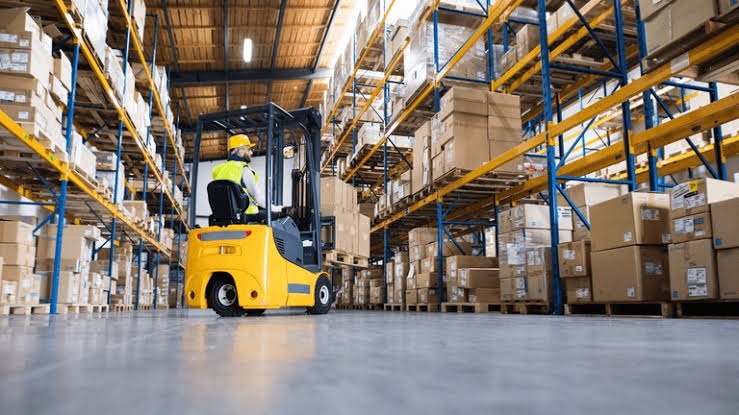
In e-commerce warehouses, besides storing and shipping goods, it is important to be able to manage orders received through different channels, handle thousands of SKUs, and provide shipments on time in compliance with tight schedules without impacting the entire process due to any delay. Increased order quantities may lead to the creation of bottlenecks in picking, packing, restocking, and shipping operations.
Effective warehouse logistics depends on how well these activities are able to work together. This is not only about processing a higher number of parcels but about making sure that inventory levels are always up to date, workload is coordinated, and products flow seamlessly from storage to delivery regardless of any changes in demand.
Why High-Volume E-Commerce Makes Warehouse Operations More Complex
Online orders tend to vary from each other. The distribution center is expected to process individual orders, multi-item baskets, expedited shipping, and promotional surges all at the same time. Every order entails activities that will compete for capacity, materials, labor, and time. When best-selling items are not located close to the picking area, or when ready orders have to wait for consolidation, inefficient movements become inevitable, making warehouse logistics harder to coordinate efficiently.
Possible bottlenecks can be:
- Inventory imbalance: Popular products run low at picking locations while slower-moving stock occupies accessible storage.
- Congested movement: Workers, carts, and equipment compete for space around busy aisles and transfer points.
- Delayed consolidation: Items picked from separate zones arrive at different times, holding up packing.
- Limited visibility: Teams struggle to identify where orders are waiting and what is causing delays.
These problems rarely have one isolated cause. Increasing the speed at which the picking is done will not help if the packing process cannot handle the increase in volume. Warehouses need coordinated processes and timely information so improvements in one area translate into better overall performance.
Design Warehouse Processes Around Order Flow
It is possible for a warehouse to look busy but make no progress. The pickers could be on the move all the time, but at the same time, the completed orders can miss their dispatch time since every action is planned separately. An effective operating model considers the complete order journey and the dependencies between its stages.
This involves placing fast-moving items in an accessible location, refilling pick spots even before stock runs out, and aligning picking waves with available consolidation and packaging capabilities. The work needs to come downstream at a speed that is manageable and does not build up faster than the team can handle.
When warehouse logistics is designed around order flow, managers can identify where work accumulates and adjust priorities accordingly. It may involve releasing a smaller picking wave, replenishing high-demand areas, or focusing on a congested packing area. This way, the problem is handled at the root level rather than being addressed after delays occur.
Use Data and Automation to Coordinate Operations
Good decisions depend on accurate and timely information. If there is any lag in tracking the actual movement of inventory, the employees will be sent to locations where nothing exists, and orders will enter processes which are already overloaded. Connected warehouse software can coordinate order priorities, inventory status, picking progress, and dispatch requirements, giving teams a clearer operational picture.
Warehouse robots have the ability to undertake repetitive transportation duties from one storage area to another, eliminating unnecessary walking and carrying of loads manually. Their value increases when routes and task assignments are coordinated with the wider workflow instead of introducing equipment without considering how work moves through the facility.
Automation should address actual operational constraints. Some warehouse facilities may require effective inventory control at first; some others may require automation of storage, picking, or sortation. The phased approach enables companies to overcome real problems, measure progress, and expand when operational requirements justify further investment.
Prepare for Peak Demand Without Losing Control
Special events and seasonal peaks reveal flaws that are not easily noticeable during regular operations. Order volumes can be high, demand for products changes, and warehouses have to handle extra work without compromising their accuracy. Scheduling based on the average number of orders does not account for surprises and fluctuations.
Preparations should encompass forecasting of demand per item, review of replenishment capabilities, examination of shipping deadlines, and making sure that packing and sorting can handle the picking waves planned. It is also important for managers to determine how priority orders would be treated when multiple sales channels compete for capacity.
Exception procedures are also critical. Teams must understand what will happen when stock is not available, an item is delayed, or a packing station is unavailable. Queue monitoring and order progress monitoring allow supervisors to redirect work before the minor problems become operation-wide delays. The flexibility of processes is just as important as the speed of processing since demand does not increase evenly throughout the entire warehouse.
How Addverb Improves E-Commerce Order Movement and Sortation
Addverb offers e-commerce fulfilment solutions designed for specific movement, picking, and sortation requirements. Addverb’s AMR, Dynamo, moves loads from one location to another within the warehouse, which helps avoid multiple instances of manual movement as products travel through fulfilment. The company’s robotic sorter, Zippy, sorts individual loads and directs them to respective locations, helping maintain an organised flow as order volumes change.
Addverb’s vertical sortation solution, SortIE addresses multi-SKU order consolidation, where items from different picks must be grouped accurately before packing. Its warehouse execution system, Concinity, can coordinate automation subsystems and warehouse workflows, helping equipment and order priorities work together rather than operate as disconnected stages. The appropriate combination depends on order profiles, facility layout, and the specific bottlenecks the operation needs to address. Addverb’s e-commerce solutions cover these fulfilment challenges.
Conclusion
High-volume e-commerce performance requires much more than simply quicker pick times or higher-capacity equipment. The following information needs to be known well enough: the inventory levels, the balance of loading, order prioritizing, and effective transition from picking to sorting, packing, and dispatching. Planning all stages as an integral process can help identify problems and act in time.
A well-designed warehouse logistics strategy connects process improvements with suitable technology and measurable operational goals. Dynamo, Zippy, SortIE, and Concinity by Addverb would allow the warehouse to organise the movement and consolidation of goods according to changing needs, creating a more organised approach to fulfilment.