
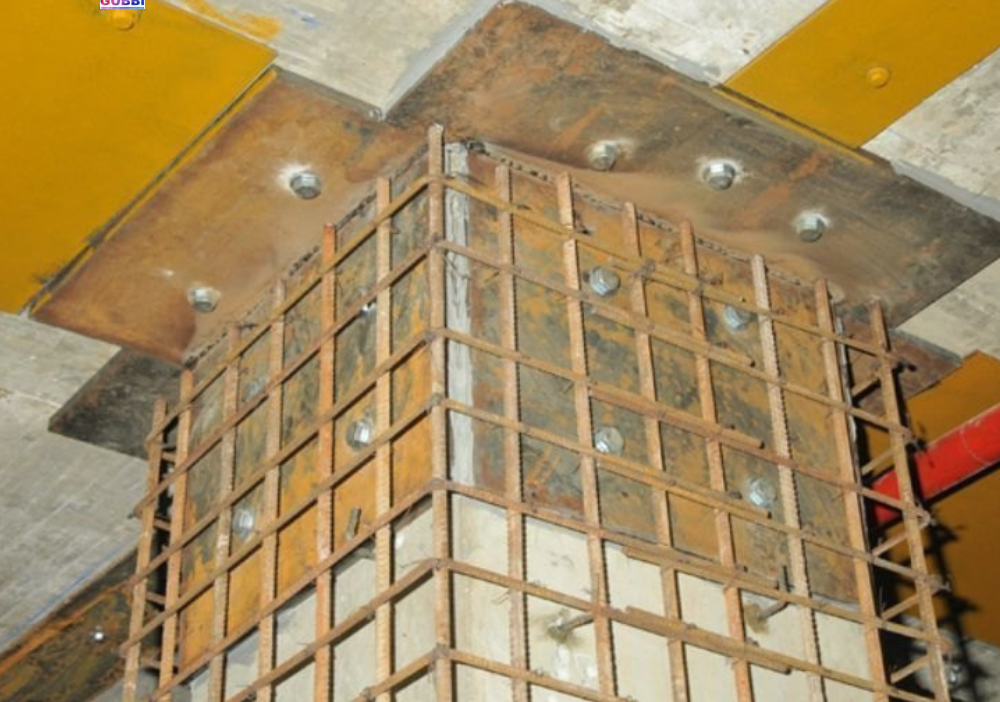
Retrofitting is the process of improving an existing structure so it can safely meet present or future performance requirements. Industrial buildings, commercial facilities, warehouses, infrastructure assets, and ageing RCC structures may require strengthening because of deterioration, increased loads, changes in usage, or updated structural requirements. Unlike constructing a completely new structure, retrofitting focuses on improving selected existing components while retaining as much of the original structure as practical.
Why Existing Structures Need Retrofitting
Structures are continuously exposed to operational loads, weather conditions, moisture, chemicals, vibration, temperature changes, and general ageing. Over time, these factors can affect concrete, reinforcement, connections, beams, columns, slabs, foundations, and other structural components. Retrofitting services can address identified weaknesses by strengthening specific members or improving their performance. The correct solution depends on the actual condition of the structure rather than simply its age or visible appearance.
When Should Retrofitting Be Considered?
Retrofitting may become necessary when an existing structure needs additional load-carrying capacity, has deteriorated structural members, requires functional modifications, or needs strengthening for changing operational conditions. Industrial facilities may also require strengthening when equipment loads, production requirements, storage arrangements, or structural modifications change. A detailed assessment helps determine whether the appropriate response is repair, strengthening, rehabilitation, or a combination of these methods for the affected structural elements.
Retrofitting for Industrial Structures
Industrial structures often operate under demanding conditions that can accelerate structural deterioration. Chemical exposure, heavy machinery, vibration, moisture, temperature variations, and continuous operation can place additional demands on concrete and steel components. Retrofitting contractors working on industrial facilities must consider the operating environment, access limitations, safety requirements, production schedules, and structural behaviour. A properly planned strengthening program can address deficient members while reducing unnecessary intervention across unaffected portions of the facility.
Retrofitting for Commercial and Infrastructure Assets
Commercial structures and infrastructure assets can also require structural strengthening when their original design no longer matches current requirements. Changes in occupancy, equipment, floor usage, loading patterns, or operational requirements may create a need for structural modification. Bridges, industrial facilities, commercial buildings, ports, dams, and other infrastructure may require specialised rehabilitation strategies. Retrofitting services therefore involve more than physical construction work; they require understanding the structure, its current condition, and its intended future use.
The Importance of Structural Assessment
A successful retrofitting project begins with understanding the existing structure. Visual inspection can identify visible cracks, spalling, corrosion, deformation, leakage, and other signs of distress, while appropriate testing can provide additional information about concrete and reinforcement conditions. Available drawings, previous repair records, structural details, loading information, and site observations can also contribute to the assessment. This information helps engineers identify deficient members and develop an appropriate strengthening strategy.
Structural Retrofitting Is Not the Same as Repair
Structural repair and retrofitting are related but serve different purposes. Repair generally addresses existing damage or deterioration and aims to restore the affected component. Retrofitting can involve modifying or strengthening a structure so that it can achieve a required level of performance under existing or changed conditions. A deteriorated beam may require repair, while a structurally inadequate beam carrying a higher future load may require strengthening. In some projects, both approaches are required together.
Common Retrofitting Techniques
Different structural conditions require different strengthening techniques. Depending on engineering requirements, retrofitting contractors may use concrete jacketing, steel jacketing, micro-concrete systems, carbon fibre reinforced polymer systems, beam strengthening, slab strengthening, foundation strengthening, grouting, or other specialised methods. The selected technique should be based on structural analysis, existing member conditions, access requirements, material compatibility, project objectives, and execution limitations. There is no universal retrofitting method suitable for every structure or application.
RCC Column Jacketing for Structural Strengthening
RCC jacketing can be considered when existing reinforced concrete columns require increased capacity, improved confinement, or rehabilitation. The method generally involves preparing the existing member and providing additional reinforcement and concrete or suitable specialised materials around the existing section according to the approved design. Column jacketing can increase the dimensions of the member, so engineers must consider available space, connection details, surrounding elements, construction sequence, and the effect of the modification on the overall structural system.
Steel Jacketing for Existing Members
Steel jacketing is another approach used for strengthening selected structural members. It can be considered where additional strength or confinement is required and where the project conditions make steel reinforcement practical. Proper detailing of the jacket, connections, interfaces, corrosion protection, and load transfer is important. Steel jacketing may be particularly useful in situations where construction access, member dimensions, shutdown requirements, or project-specific structural conditions make conventional concrete strengthening less suitable for the existing industrial or commercial structure.
Carbon Fibre Strengthening and FRP Systems
Carbon fibre reinforced polymer systems can provide structural strengthening without significantly increasing the dimensions or dead weight of an existing member. These systems may be considered for beams, slabs, columns, and other structural components when the design requirements and substrate condition are suitable. Surface preparation and correct installation are essential because the strengthening system depends on effective interaction with the existing concrete. Engineers must determine whether CFRP is appropriate based on structural demand and site conditions.
Strengthening Beams and Slabs
Beams and slabs can require strengthening when their existing capacity is inadequate for current or proposed loading conditions. The cause may involve deterioration, design limitations, increased loads, modifications, or changes in structural usage. Depending on the assessment, strengthening may involve externally bonded systems, jacketing, additional reinforcement, steel components, or other engineered solutions. The selected approach should consider load transfer, deflection, existing reinforcement, available working space, and the effect of construction activities on surrounding operations.
Foundation Retrofitting and Strengthening
Foundation strengthening can become necessary when existing foundations are unable to provide the required support under changed structural or loading conditions. Additional equipment, increased loads, structural modifications, settlement-related concerns, or changes in operational requirements may trigger investigation. Foundation retrofitting requires careful assessment of soil conditions, existing foundation geometry, structural loads, and the relationship between the foundation and superstructure. Depending on the findings, solutions may involve strengthening existing foundations or introducing additional structural support.
Seismic Retrofitting of Existing Structures
Seismic retrofitting aims to improve the behaviour of existing structures under earthquake-related demands. Older structures may have been designed according to requirements that differ from current seismic provisions or may contain weaknesses identified through assessment. The strengthening strategy can involve selected columns, beams, connections, walls, foundations, or other structural elements. Seismic retrofitting should always be based on appropriate structural analysis because strengthening one component can affect the behaviour and load path of the complete structural system.
Retrofitting During Ongoing Industrial Operations
One of the major challenges in industrial retrofitting is completing work around ongoing operations. Shutting down an entire facility may affect production, logistics, manpower, and schedules. Therefore, planning becomes an important part of the project. Work may need to be divided into controlled stages, with temporary supports, restricted access zones, safety measures, and coordinated shutdowns where required. The execution sequence should maintain structural stability while considering the practical requirements of the operating industrial facility.
How to Select Retrofitting Contractors
Choosing suitable retrofitting contractors requires more than comparing quotations. Project owners should examine experience with similar structural conditions, technical capabilities, engineering coordination, safety practices, quality-control procedures, materials, equipment, and previous project execution. Contractors should also understand how to work with structural consultants, testing agencies, plant teams, and other stakeholders. For an industrial or infrastructure project, experience with operational constraints can be particularly important because execution conditions can directly affect the project schedule.
Planning the Retrofitting Process
A typical retrofitting project involves several stages rather than a single construction activity. The process can begin with an initial site inspection followed by condition assessment, testing where required, review of structural information, identification of deficiencies, and development of strengthening options. Once the appropriate method is established, detailed drawings, specifications, material requirements, safety procedures, and execution sequences can be prepared. Proper planning reduces uncertainty and helps ensure that construction activities follow the intended engineering approach.
Materials Used in Retrofitting Work
Retrofitting projects can involve a wide range of specialised construction materials depending on the selected strengthening system. These may include repair mortars, micro-concrete, structural steel, bonding agents, epoxy systems, fibre-reinforced polymer materials, grouts, corrosion-protection systems, and protective coatings. Material selection should consider the existing substrate, environmental exposure, structural requirements, compatibility, application conditions, and design specifications. Using a technically suitable material is important because material performance directly affects the effectiveness of the completed strengthening system.
Retrofitting and Structural Life Extension
One important reason organisations consider retrofitting is to improve the continued performance of existing assets. Replacing an entire structure may not always be practical, particularly when the existing facility has important operational, functional, or infrastructure value. Strengthening selected structural components can provide a way to address identified deficiencies while retaining the existing asset. Structural Capacity Renewal can therefore be viewed as a planned engineering approach that connects existing structural assets with changing operational requirements.
Cost Factors in Retrofitting Projects
The cost of retrofitting varies significantly from project to project. Factors can include the extent of deterioration, number of affected members, selected strengthening method, material quantities, accessibility, working height, equipment requirements, testing, temporary supports, shutdown restrictions, and overall project size. Comparing prices without understanding the technical scope can create misleading expectations. A proper site assessment and clearly defined scope allow project owners to understand the work involved and compare proposals on a more meaningful basis.
Why Early Assessment Matters
Waiting until structural deterioration becomes severe can increase the complexity of rehabilitation work. Early investigation can help identify developing problems before they affect a larger portion of the structure. For industrial facilities, early strengthening planning can also allow work to be coordinated with maintenance shutdowns or other scheduled activities. When planning a project, Gubbi Civil Engineers Limited can be considered as one of the organisations to discuss structural assessment, strengthening, and rehabilitation requirements for industrial, commercial, and infrastructure applications.
Retrofitting for Future Requirements
Retrofitting should not always be viewed only as a response to existing damage. It can also support planned changes to an asset. Industrial facilities may require additional equipment, revised production layouts, increased storage loads, structural modifications, or other changes that affect existing members. Assessing the structure before implementing such modifications can help identify whether strengthening is required. This proactive approach allows structural changes to be considered alongside future operational requirements instead of addressing deficiencies after modification work begins.
Quality Control During Retrofitting
Quality control is important because structural strengthening involves the interaction of new materials with an existing structure. Surface preparation, reinforcement placement, bonding, concrete placement, curing, anchoring, material mixing, application conditions, and protective treatment can influence the final result. Inspection and testing should be carried out according to the project requirements and approved specifications. Proper documentation of materials, work stages, inspections, and testing can also help maintain traceability throughout the retrofitting process.
Safety Considerations During Retrofitting
Structural retrofitting work can involve activities such as concrete removal, drilling, cutting, lifting, temporary support, work at height, and operation around existing structural members. Safety planning therefore needs to be integrated into the execution methodology. Before removing or modifying any structural component, its effect on the surrounding structure should be understood. Controlled work sequences, access arrangements, barricading, personal protective equipment, equipment inspections, and site supervision contribute to safer execution of strengthening activities.
Choosing the Right Retrofitting Solution
There is no single solution that works for every structural strengthening requirement. A technique suitable for a deteriorated column may not be suitable for a heavily loaded beam or an industrial foundation. The existing condition, structural demand, environmental exposure, access, operational restrictions, project duration, and future requirements should all be considered before selecting a method. The objective should be to develop an engineered solution that addresses the identified structural deficiency without introducing unnecessary modifications elsewhere.
Retrofitting provides an important approach for improving the performance of existing industrial, commercial, and infrastructure structures. From RCC and steel jacketing to carbon fibre strengthening, foundation improvements, seismic upgrades, and specialised rehabilitation, the appropriate method depends on engineering assessment and project conditions. Organisations considering retrofitting services should focus on proper diagnosis, suitable methodology, controlled execution, and quality assurance. Selecting experienced retrofitting contractors can help translate the engineering design into practical and carefully managed site execution.