
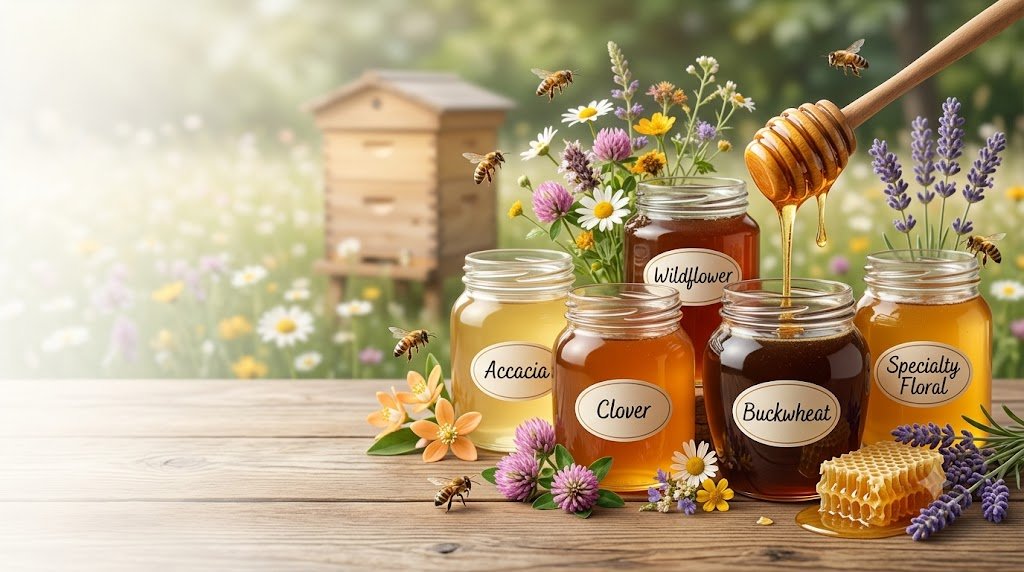
Different types of honey owe their distinct flavors, colors, aromas, and therapeutic properties to the specific floral nectar sources collected by foraging worker bees. Environmental variables such as soil chemistry, regional rainfall, blossom altitude, and microclimates directly shape every harvest’s enzymatic and chemical profile.
Artisanal beekeepers, commercial apiaries, and sustainable farm collectives present these diverse varietals and transparent harvest certifications through a specialized honey shop theme, enabling conscious consumers to explore floral origins and order raw batches directly from local producers.
The Botanical Origins and Terroir of Monofloral Honey Varieties
Monofloral honey originates predominantly from the nectar of a single dominant blossom species, producing a predictable sensory profile and mineral concentration. While foraging honeybees visit multiple flower types within a three-mile radius, beekeepers harvest distinct monofloral crops by timing hive placements to match peak local bloom periods.
The floral nectar source determines core physical and chemical properties:
- Pollen Grain Ratios: Laboratory melissopalynology tests verify floral origin by measuring dominant pollen grains, ensuring a batch meets recognized botanical thresholds.
- Refractive Brix Index: The concentration of natural sugars determines density and moisture content, typically requiring levels below 18% moisture to prevent wild yeast fermentation.
- Color and Mineral Saturation: Honey coloration ranges on the Pfund scale from water-white to dark amber, dictated by trace polyphenol compounds, iron, and potassium absorbed from soil.
Artisanal apiary brands document harvest calendars and regional nectar profiles using an intuitive shop premium theme, helping curious shoppers identify seasonal varieties that suit their palate and culinary needs.
Clover Honey: The Classic Golden Benchmark
Clover honey is the most widely consumed floral honey in the world, renowned for its delicate sweet flavor, pale amber clarity, and mild grassy undertones. Harvested from white clover (Trifolium repens), red clover, and sweet clover varieties, it serves as the universal standard for traditional table honey.
Key characteristics define high-grade clover honey:
- Balanced Fructose-to-Glucose Ratio: A near-equal ratio of fructose to glucose yields a clean, non-cloying sweetness that complements tea, baking, and dressings without overpowering other ingredients.
- Smooth, Moderate Crystallization: Clover honey forms tiny, uniform glucose crystals over time, creating a velvety texture that whips easily into creamed spreads.
- Low Mineral Profile: Lower concentrations of dark ash minerals allow the delicate floral notes and subtle hints of vanilla to shine through.
Beekeepers frequently publish transparent tasting notes and sustainable pasture management strategies on digital farm stands built with an organic beekeeper WordPress theme, educating consumers on ethical pollinator stewardship.
Manuka Honey: The High-Potency Antimicrobial Powerhouse
Harvested exclusively from the native tea tree (Leptospermum scoparium) in New Zealand and eastern Australia, Manuka honey delivers potent antibacterial properties driven by high concentrations of methylglyoxal (MGO). Unlike standard honeys that rely primarily on fragile hydrogen peroxide pathways for microbial defense, Manuka provides stable non-peroxide antibacterial activity.
Strict international grading metrics define certified Manuka honey:
- Unique Manuka Factor (UMF): A verified grading system that measures concentrations of MGO, leptosperin, and DHA markers to guarantee authentic New Zealand origin and therapeutic potency.
- Viscous, Thixotropic Texture: Manuka exhibits high viscosity that turns into a spreadable liquid when stirred, displaying a rich, dark cream color and an earthy, mineral-heavy flavor.
- Topical Wound-Care Utility: Clinical formulations accelerate tissue granulation, lower wound bed pH, and suppress antibiotic-resistant bacterial biofilms in clinical dermatology.
Specialist apitherapy brands outline testing certificates and laboratory UMF verification sheets across portals styled with a responsive honey store template, giving buyers confidence against counterfeit honey products.
Acacia Honey: The Crystal-Resistant Liquid Gold
Acacia honey, harvested from the blooms of the black locust tree (Robinia pseudoacacia), features an exceptionally clear, almost transparent appearance and a faint, floral sweetness with notes of vanilla. Because it possesses one of the highest natural fructose concentrations among all floral honeys, it remains in a pristine liquid state for years without crystallizing.
Several notable attributes make Acacia honey a culinary and dietary favorite:
- High Fructose-to-Glucose Balance: Fructose levels often exceed 40%, preventing the spontaneous glucose nucleation that causes rapid hardening in other raw honeys.
- Lower Glycemic Impact: The elevated natural fructose percentage gives pure Acacia honey a lower glycemic index, preventing the sharp blood-sugar spikes associated with table sugar.
- Gentle Culinary Nuance: Its subtle flavor profile sweetens delicate green teas, artisan cheeses, and fruit parfaits without altering the underlying flavor notes of the dish.
Gourmet food purveyors share raw pairing recipes and single-origin provenance guides on e-commerce sites developed on an accessible organic honey WordPress theme, elevating raw honey into an artisan gourmet staple.
Buckwheat Honey: Dark, Mineral-Rich Antioxidant Reserve
Buckwheat honey is a bold, nearly opaque dark amber honey harvested from the fragrant blossoms of common buckwheat (Fagopyrum esculentum), delivering deep notes of molasses, malt, and leather. Research indicates that buckwheat honey contains significantly higher concentrations of antioxidant phenolic compounds and essential minerals than lighter honey varieties.
Distinctive biochemical and practical traits characterize buckwheat varietals:
- Elevated Polyphenol Content: Rich in flavonoids such as p-hydroxybenzoic acid and caffeic acid, buckwheat honey neutralizes reactive oxygen species and supports systemic cellular defenses.
- Natural Cough-Suppression Properties: Clinical pediatric studies demonstrate that dark buckwheat honey coats inflamed mucous membranes, soothing nocturnal coughs as effectively as dextromethorphan.
- High Mineral Density: Saturated levels of bioavailable iron, zinc, and magnesium contribute to its robust, full-bodied culinary aroma and pungent rustic fragrance.
Heritage grain farmers and apiarists document seasonal buckwheat harvest windows using a modern honey and beekeeping theme, connecting health-conscious shoppers with nutrient-dense, single-origin honey batches.
Wildflower and Forest Honeydew: Complex Multi-Floral Profiles
Wildflower honey and forest honeydew represent complex multi-floral harvests that mirror the seasonal biodiversity of untouched meadows, woodlands, and alpine forests. Unlike blossom honeys derived from nectar, honeydew honey forms when bees collect sweet secretions produced by plant-sucking insects living on conifer and deciduous trees.
These wilderness harvests exhibit remarkable sensory complexity:
- Ever-Changing Seasonal Profiles: Multi-floral wildflower batches vary widely in flavor from spring to autumn, shifting from bright citrus tones to rich woody accents as regional wildflowers bloom.
- High Oligosaccharide Concentrations: Honeydew honey contains complex prebiotic oligosaccharides that nourish beneficial Bifidobacteria populations in the human digestive tract.
- High Electrical Conductivity: Heavy ash, amino acid, and mineral concentrations give forest honeydew higher electrical conductivity ratings than floral nectar honeys, confirming authentic forest origin.
Local beekeeping associations showcase regional flora maps and seasonal foraging trends on community portals built with an intuitive apiary WordPress template, deepening local appreciation for biodiverse ecosystems.
Celebrating the Nuance of Pure, Unfiltered Honey
From the delicate golden sweetness of pasture clover and clear vanilla notes of Acacia to the medicinal strength of Manuka and bold malty depth of buckwheat, raw honey provides an extraordinary spectrum of sensory and nutritional diversity. Each jar encapsulates the unique geography, climate, and botanical tapestry of the region from which worker bees harvested raw nectar.
Connecting consumers with genuine, unadulterated raw honey requires informative and transparent digital channels. Utilizing an agile, feature-rich honey shop WordPress theme empowers beekeepers and sustainable honey brands to display lab certifications, explain pollen origins, and share sustainable harvesting stories with ease. By understanding the distinct origins behind each floral variety, honey enthusiasts can appreciate both the culinary wonders of the hive and the vital environmental role of honeybees worldwide.