
Fenbendazole is a familiar name in veterinary medicine. It’s used to treat common intestinal worms in animals, and it comes in several strengths. This guide explains what the products are for, how the strengths differ and how to use them responsibly. It’s written for pet owners and animal caretakers, and it doesn’t replace your veterinarian’s instructions.
What is fenbendazole used for in animals?
Fenbendazole belongs to the benzimidazole family of anthelmintics, which are medicines that kill parasitic worms. In animals it’s commonly used against roundworms, hookworms, whipworms and certain tapeworms, depending on the species and product. Vets rely on it because it’s effective and generally well tolerated when used properly.
It is a veterinary medicine. It isn’t approved for human use, and claims you may see online about using it to treat human illnesses are not backed by solid clinical evidence. Please don’t self treat using animal products.
What strengths are available?
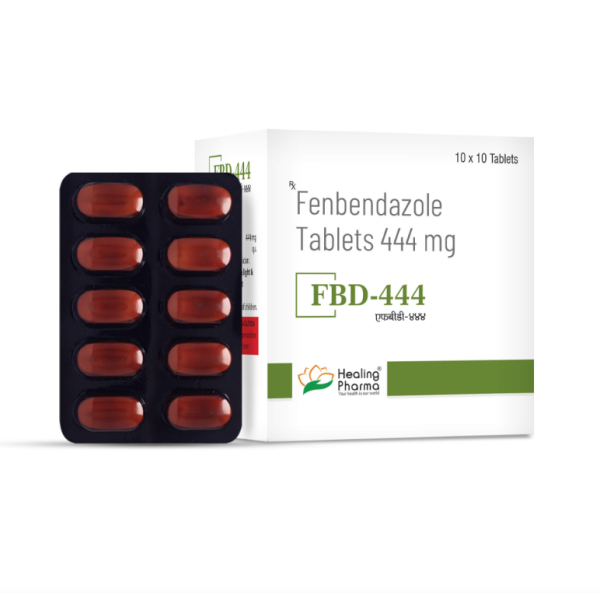
Products come in different strengths so that the dose can be matched to the animal’s weight. On our site you’ll find fenbendazole 444 mg, along with other options. A higher strength such as fenbendazole 500 mg suits a larger animal or a protocol set by a vet, while smaller strengths help with lighter animals.
The label can say tablets, capsules or similar. Some people search for fenbendazole 444 mg capsules and fenbendazole tablets interchangeably, but pack format can differ between suppliers. Always read the product description and confirm exactly what you’re receiving.
How do fenbendazole 500 mg and 444 mg differ?
The difference is simply the amount of active ingredient per unit. A fenbendazole 500 mg tablet delivers more per unit than a 444 mg product, so the number of units given can differ for the same animal. This is exactly why you should never swap one strength for another based on a guess. A small arithmetic error can mean an under dose that doesn’t clear the parasites, or an over dose that stresses the animal.
How should you give it?
Your veterinarian will give a dose based on the animal’s weight, species and the parasite being treated. Many courses run for several consecutive days. A few practical tips:
- Weigh your animal. Guessing is a common source of dosing errors
- Give the full course even if the animal looks better after a day or two
- Hide tablets in a small amount of food if the animal refuses them, unless your vet advises against it
- Keep a note of the dates and times so you don’t skip a dose
If you’re unsure about the dose, ask before you start instead of adjusting later.
Are there side effects?
Fenbendazole is usually well tolerated. Occasionally an animal may vomit or have loose stools. Rarely, an allergic reaction can occur, with swelling, hives or breathing trouble. When many worms die at once, some animals show mild digestive upset. Call your vet if symptoms are severe or don’t improve.
Use extra caution with pregnant or nursing animals, very young animals, and animals with existing liver problems. Your vet can tell you whether fenbendazole tablets are suitable.
How can you handle and store it safely?
Responsible use also means protecting the people around the animal:
- Wash your hands after handling the medicine and after cleaning up faeces
- Store it in a cool, dry place in its original container
- Keep it out of reach of children and other pets
- Don’t use it after the expiry date
- Never give your own medicine to your animal or an animal medicine to yourself
Dispose of leftovers through a pharmacy take back scheme or your local waste guidance rather than flushing them.
Why is a vet visit still important?
Worm symptoms can look like other conditions. Weight loss, a dull coat, a swollen belly or diarrhoea might be caused by parasites, but they could also point to something else. A stool test lets the vet identify the parasite and choose the right product. It also helps prevent resistance, which becomes more likely when dewormers are used too often or at the wrong dose.
Quick answers
Can I use the same product for different animals?
Not without checking. Dosing and safety differ by species.
Do I need to repeat treatment?
Some parasites need a repeat course. Your vet will tell you when to retest.
What if I miss a day?
Contact your vet for advice instead of doubling the next dose.
Final thoughts
Fenbendazole is a dependable tool for controlling worms in animals when it’s matched to the right strength and used under veterinary guidance. Compare products like fenbendazole 444 mg and fenbendazole 500 mg carefully, read labels closely and keep up with regular parasite checks. Responsible use protects your animal, your household and the long term usefulness of the medicine.