
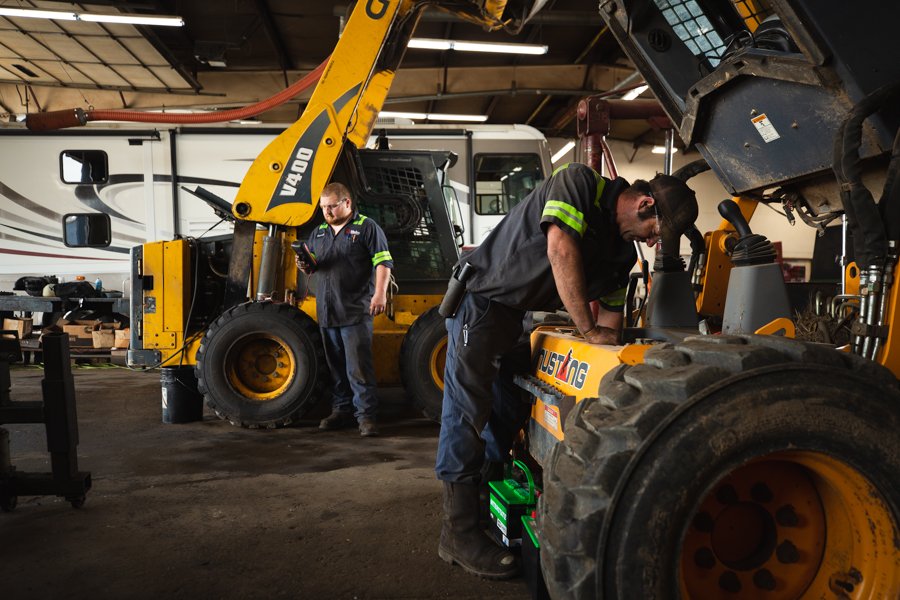
Heavy equipment plays a critical role in construction, mining, agriculture, manufacturing, and transportation. From excavators and bulldozers to cranes, loaders, tractors, and other heavy-duty machinery, businesses depend on reliable equipment to keep their operations running smoothly. However, unexpected breakdowns, maintenance requirements, parts shortages, and complicated repair workflows can lead to costly delays.
Heavy equipment repair software helps repair shops, service providers, and fleet operators manage repair jobs, schedule maintenance, track spare parts, monitor technician performance, and maintain accurate equipment service records in one centralized system.
Whether you run an independent heavy equipment repair shop or manage a large fleet of construction machinery, the right software can simplify daily operations, improve repair coordination, and support better maintenance decisions. Understanding its essential features and benefits can help you select a solution that meets your business needs.
What Is Heavy Equipment Repair Software?
Heavy equipment repair software is a digital solution designed to manage equipment repair operations, maintenance activities, technician assignments, inventory, and service documentation. It replaces manual processes such as paper-based work orders, spreadsheets, handwritten repair notes, and disconnected inventory records.
Depending on the platform, businesses can use this software to:
- Create and manage equipment repair work orders.
- Assign repair jobs to technicians.
- Track labor hours and repair costs.
- Monitor spare parts and inventory levels.
- Prepare estimates and customer invoices.
- Schedule preventive maintenance.
- Maintain equipment service histories.
- Generate reports on repairs, costs, and maintenance performance.
For example, when a bulldozer arrives at a repair facility with an engine issue, the service team can create a work order, document the problem, assign a qualified technician, record replacement parts, and update the machine’s repair history. Managers can then monitor job progress and provide customers with more accurate updates.
Why Do Businesses Need Heavy Equipment Repair Software?
Managing heavy equipment repairs requires more than technical expertise. Repair shops and fleet maintenance teams must coordinate technicians, source parts, track expenses, communicate with customers, and return equipment to service as quickly as possible.
Without a centralized system, these tasks can become difficult to manage efficiently.
1. Reduce Equipment Downtime
Unexpected equipment failures can delay construction projects, interrupt production, and increase operating costs. Heavy equipment repair software helps teams prioritize urgent jobs, monitor repair progress, and identify maintenance requirements before they become more serious.
Better visibility into work orders and equipment condition can help managers allocate resources efficiently and reduce avoidable delays.
2. Streamline Repair Workflows
Manual repair management makes it difficult to track pending jobs, technician availability, parts requirements, and repair approvals.
A centralized repair management system allows teams to organize jobs, document diagnostic findings, assign responsibilities, and track repairs from initial inspection through completion.
This improves coordination between service advisors, technicians, inventory managers, and business owners.
3. Improve Preventive Maintenance Planning
Heavy equipment often operates under demanding conditions, making regular inspections and maintenance essential. Oil changes, lubrication, filter replacements, hydraulic inspections, and other routine services can help identify potential issues before they result in major failures.
Maintenance software helps businesses schedule service based on calendar dates, operating hours, mileage, or other supported maintenance triggers. Automated reminders can also help teams prepare the necessary labor, tools, and replacement parts.
4. Maintain Accurate Equipment Service Records
Detailed service records help technicians understand previous repairs, identify recurring problems, and make informed diagnostic decisions.
With digital equipment histories, employees can access available records of inspections, maintenance activities, component replacements, and repair costs without searching through paper files.
These records also help managers evaluate equipment reliability and plan future maintenance activities.
Key Features of Heavy Equipment Repair Software
When evaluating heavy equipment repair software, businesses should prioritize features that address their repair processes and operational challenges.
Work Order Management
Work order management organizes repair jobs from initial inspection to final completion. Teams can document reported problems, record diagnostic findings, assign technicians, track job status, and maintain repair documentation.
A centralized work order system helps managers identify delays, monitor active jobs, and keep repair operations organized.
Preventive Maintenance Scheduling
Preventive maintenance scheduling helps businesses plan routine service before equipment develops serious mechanical problems.
Depending on the software, maintenance schedules can be configured around operating hours, calendar intervals, mileage, or equipment-specific requirements. Upcoming maintenance alerts help teams prepare for inspections and service appointments.
Parts and Inventory Management
Heavy equipment repairs frequently require specialized components, including hydraulic parts, filters, bearings, belts, engine components, and other replacement items. Missing parts can keep expensive machinery out of service longer than necessary.
Inventory management features help businesses monitor stock levels, record parts used on repair jobs, identify low-stock items, and manage replenishment requirements. Some platforms also offer supplier records and purchase order management.
Technician Scheduling and Labor Tracking
Repair shops need to assign technicians based on availability, experience, and workload. Scheduling tools help managers distribute jobs effectively and monitor repair progress.
Labor tracking records the time spent on individual work orders, supporting more accurate billing, job costing, technician productivity analysis, and operational planning.
Estimates and Invoicing
Accurate estimates and invoices are essential for customer-facing repair businesses. Repair software can organize labor charges, replacement parts, and other billable services when preparing estimates.
Once repairs are complete, recorded job details can help administrative teams generate invoices with less repetitive data entry. Clear documentation also helps customers understand the services performed and associated costs.
Equipment Service History Tracking
Equipment service history tracking creates a digital record of maintenance and repair activities for each machine.
Technicians can review previous failures, inspect past repair notes, identify recurring problems, and determine whether particular components require additional attention. For businesses managing multiple machines, this feature reduces dependence on scattered documents and individual employees’ memories.
Reporting and Performance Monitoring
Reporting tools help managers evaluate repair workloads, labor utilization, inventory usage, repair costs, and maintenance activity.
Depending on the platform, reports may also highlight repair turnaround times, recurring equipment problems, and maintenance expenses. These insights support better decisions about staffing, purchasing, and maintenance planning.
How Fullbay Fits Into Heavy Equipment Repair Management
When researching heavy equipment repair software, repair shops may also consider industry-focused platforms such as Fullbay. Fullbay is associated with heavy-duty repair shop management and is designed to support service businesses serving commercial vehicles and heavy-duty equipment.
For repair businesses evaluating software, a platform like Fullbay is worth exploring when the priority is bringing service management and administrative workflows into a more organized system.
Depending on the specific product and features selected, businesses should evaluate capabilities such as:
- Repair order management: Organizing repair jobs and tracking their progress.
- Shop workflow management: Coordinating service activities and technician assignments.
- Parts and labor documentation: Keeping repair-related information organized for job costing and billing.
- Customer and equipment records: Maintaining accessible service information for repeat jobs.
- Business reporting: Reviewing operational information to support management decisions.
Before choosing Fullbay or another heavy equipment repair software solution, verify the available features, equipment compatibility, integrations, pricing, and support options directly with the provider. Not every platform supports every type of machinery or repair workflow.
The best choice depends on whether your business primarily serves external customers, maintains its own equipment fleet, or performs a combination of both.
Benefits of Heavy Equipment Repair Software for Repair Shops
Heavy equipment repair shops often handle complex repairs that require specialized knowledge, expensive components, and coordination between multiple employees.
The right software can provide several operational benefits.
Better Job Visibility
Managers can monitor which jobs are awaiting inspection, customer approval, parts, technician availability, or completion. This makes it easier to identify bottlenecks and take corrective action.
Reduced Administrative Work
Digital work orders, equipment records, estimates, and invoices reduce the need for repetitive paperwork. Employees can spend more time coordinating repairs and supporting customers.
Improved Customer Communication
Organized repair documentation helps service teams provide clearer updates about repair status, parts availability, additional work, and estimated completion.
More Accurate Job Costing
Recording labor hours and parts against individual repair orders gives managers better visibility into repair expenses and helps support more consistent estimates and invoices.
Improved Business Planning
Operational reports help repair shop owners evaluate workload, identify recurring repair issues, monitor inventory usage, and understand which processes need improvement.
For businesses serving construction companies, equipment rental providers, agricultural operators, and industrial customers, these benefits can improve everyday service management.
Heavy Equipment Repair Software vs. Fleet Maintenance Software
Heavy equipment repair software and fleet maintenance software share several capabilities, but their primary purposes may differ.
| Capability | Heavy Equipment Repair Software | Fleet Maintenance Software |
|---|---|---|
| Repair work orders | Focuses on organizing repair jobs | Tracks maintenance and repair activities across fleet assets |
| Technician management | Supports shop workflows and job assignments | Supports maintenance team scheduling |
| Preventive maintenance | Helps organize equipment servicing | Helps schedule maintenance across multiple assets |
| Parts tracking | Records components used in repairs | Tracks parts required for fleet maintenance |
| Service history | Maintains equipment repair records | Maintains asset maintenance histories |
| Estimates and invoicing | Often important for customer-facing repair shops | Depends on the software and business model |
| Fleet-wide visibility | Available in multi-asset platforms | Often a central feature |
The distinction is not absolute. Some platforms combine repair shop management, work order tracking, inventory control, and fleet maintenance capabilities.
Businesses should compare actual product features rather than relying exclusively on software categories or marketing descriptions.
How to Choose the Right Heavy Equipment Repair Software
Selecting the right software requires an understanding of your equipment, team size, repair processes, and business objectives.
Identify Your Business Requirements
Start by determining whether you operate an independent repair shop, an in-house maintenance department, or a fleet of heavy equipment.
A customer-facing repair shop may prioritize work orders, estimates, invoicing, customer records, and parts management. A fleet operator may focus more on preventive maintenance, equipment availability, asset history, and maintenance costs.
Create a list of your most important requirements before comparing platforms.
Evaluate Ease of Use
Technicians, service advisors, and managers should be able to use the system without unnecessary complexity.
Look for straightforward work order creation, accessible service histories, clear repair status updates, and simple inventory workflows.
If employees perform repairs in the field or at multiple locations, evaluate mobile access and offline functionality where required.
Check Integration Capabilities
Your repair operations may depend on accounting software, inventory systems, parts suppliers, telematics platforms, or diagnostic tools.
Confirm which integrations are supported and whether they fit your existing processes. Do not assume that every platform integrates with every accounting, diagnostic, or equipment monitoring system.
Review Reporting and Scalability
Choose software that can support your current workload while accommodating future growth.
Consider whether the platform can manage multiple equipment types, locations, customers, technicians, and service departments. Review its available reports to determine whether they provide actionable information for your business.
Compare Pricing and Customer Support
Software costs may vary according to user count, features, equipment volume, subscription terms, and implementation requirements.
Ask vendors about onboarding, employee training, data migration, technical support, contract terms, and additional fees.
A demonstration or trial can help you determine whether the software fits your daily workflow before making a long-term commitment.
Common Problems Heavy Equipment Repair Software Can Help Solve
Heavy equipment repair businesses frequently face operational challenges that can affect productivity and profitability.
- Unplanned equipment breakdowns: Maintenance schedules and service records help teams identify overdue maintenance and respond to developing issues.
- Missing repair information: Centralized digital records make equipment histories easier to retrieve.
- Parts shortages: Inventory tracking helps identify low-stock items and improve purchasing decisions.
- Scheduling conflicts: Technician assignments and work order visibility help managers coordinate workloads.
- Billing inconsistencies: Documented labor and parts information supports more reliable estimates and invoices.
- Limited performance visibility: Reports help managers evaluate repair activity and identify process improvements.
Software effectiveness depends on accurate data, consistent employee adoption, suitable maintenance procedures, and the capabilities of the selected platform.
Is Heavy Equipment Repair Software Suitable for Small Repair Shops?
Yes. Small and independent repair shops can benefit from heavy equipment repair software when paperwork, scheduling, and repair coordination consume too much time.
A smaller shop may not need a complex enterprise system with extensive integrations. It may benefit more from essential features such as:
- Digital repair work orders.
- Technician scheduling.
- Customer and equipment records.
- Parts and inventory tracking.
- Estimates and invoicing.
- Basic maintenance reminders and reports.
As the business grows, advanced reporting, automated maintenance scheduling, multi-location support, and additional integrations may become more valuable.
The goal is to select a solution that solves current problems without introducing unnecessary complexity or expense.
Frequently Asked Questions
What is the best heavy equipment repair software?
The best heavy equipment repair software depends on your business model, equipment types, team size, and operational requirements. Compare work order management, preventive maintenance, parts tracking, technician scheduling, invoicing, reporting, and integration capabilities before selecting a platform.
Is Fullbay a heavy equipment repair software solution?
Fullbay is a heavy-duty repair shop management platform that businesses may consider when evaluating software for heavy-duty service operations. Before selecting it for a specific type of heavy equipment, verify its current product capabilities, supported workflows, integrations, and suitability for your machinery.
Can heavy equipment repair software schedule preventive maintenance?
Many solutions support preventive maintenance scheduling based on calendar intervals, operating hours, mileage, or other supported triggers. This helps teams plan routine servicing and monitor upcoming maintenance requirements.
Does heavy equipment repair software track spare parts?
Many platforms include inventory management features that help businesses monitor stock levels, record parts used on repair jobs, and identify replenishment needs. Specific capabilities vary by provider.
Can heavy equipment repair software reduce equipment downtime?
It can help reduce avoidable downtime by improving maintenance planning, repair scheduling, work order visibility, and access to service records. Equipment condition, operator practices, parts availability, and repair complexity also affect downtime.
What is the difference between heavy equipment repair software and CMMS?
Heavy equipment repair software often focuses on repair jobs, technicians, parts, work orders, and service administration. A computerized maintenance management system (CMMS) typically emphasizes preventive maintenance, asset management, maintenance planning, and maintenance reporting. Some platforms combine both sets of capabilities.
Is cloud-based heavy equipment repair software worth considering?
Cloud-based software can provide access to centralized repair information across supported devices and locations. It may also simplify collaboration and software updates. Businesses should evaluate data security, internet requirements, backup policies, and subscription costs before making a decision.
Final Thoughts
Heavy equipment repair software helps repair shops and equipment operators organize work orders, technician assignments, inventory, maintenance schedules, service histories, and repair administration in one system.
By reducing manual tasks and improving access to equipment information, businesses can coordinate repairs more efficiently, improve customer communication, and make better-informed maintenance decisions.
When comparing solutions, consider your business requirements, equipment types, existing processes, and future growth plans. Explore industry-focused options such as Fullbay where appropriate, verify each platform’s capabilities, and evaluate how well it supports your team’s everyday repair activities.
A well-selected and properly implemented heavy equipment repair software solution can become an important part of improving shop productivity, managing repair costs, and keeping essential equipment operating reliably.