A rowing machine can be an effective addition to a workout routine because it combines cardiovascular exercise with full-body movement. However, different rowing machines offer different resistance systems, features, sizes, and levels of durability. Choosing the right one becomes easier when you first consider your fitness goals and how often you plan to use the equipment.
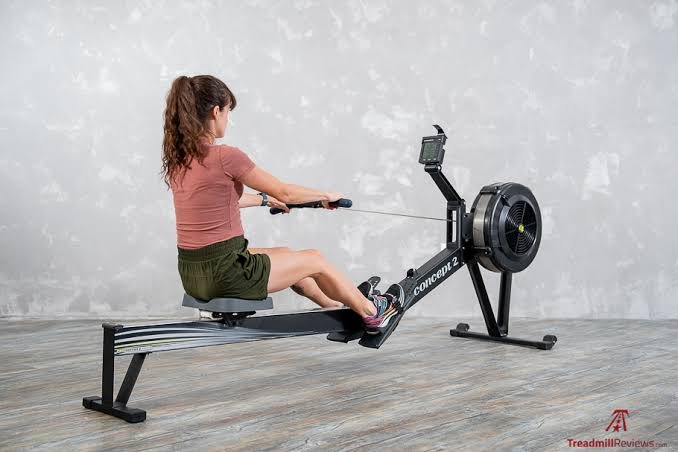
Whether you want to improve endurance, build strength, lose weight, or simply stay active, understanding the key features can help you find a rowing machine that suits your needs.
For Beginners and General Fitness
If you are new to rowing or want a machine for general fitness, focus on comfort, simple controls, and smooth resistance. You do not necessarily need an advanced rower with numerous programs and connectivity options.
A machine with adjustable resistance allows you to start at a comfortable level and gradually increase the challenge. A comfortable seat, secure footrests, and a smooth handle movement are also important because they can make it easier to maintain proper rowing technique.
For beginners, learning the correct rowing motion should be a priority before increasing workout intensity.
For Cardiovascular Endurance
If improving cardiovascular fitness is your main goal, choose a rowing machine that allows you to maintain a consistent pace for longer sessions. Air and water resistance rowers can be particularly useful for users who enjoy a natural rowing feel and want resistance that responds to their effort.
Look for a clear performance monitor that displays information such as workout time, stroke rate, distance, and calories. These measurements can help you track your progress and structure endurance workouts.
A smooth resistance system is especially useful when rowing for extended periods.
For Strength-Focused Workouts
Rowing primarily provides cardiovascular exercise, but each stroke also requires coordinated effort from the legs, hips, core, back, and arms. If strength and muscular endurance are important to you, consider a rower with multiple resistance settings.
Higher resistance can make each stroke feel more demanding. However, maximum resistance is not always necessary. The machine should allow you to increase resistance while maintaining controlled technique.
A strong frame and stable rail are also important for users who plan to perform more demanding workouts regularly.
For Weight Management
A rowing machine can be useful as part of a calorie-burning exercise routine. If weight management is your goal, look for a machine that supports both steady-state and interval workouts.
Adjustable resistance and multiple workout settings can give you flexibility to change the intensity of your sessions. A performance monitor can also help you track workout duration, distance, and other metrics.
Remember that exercise works best alongside appropriate nutrition, sleep, and overall lifestyle habits when working toward weight-management goals.
For High-Intensity Training
Experienced users who enjoy challenging workouts should prioritize durability and resistance adjustability. A sturdy rowing machine should remain stable during faster or more demanding sessions.
Interval training can involve alternating periods of harder rowing with easier recovery periods. A responsive resistance system and easy-to-read monitor can make these workouts more convenient.
If multiple people will use the machine or you plan to train frequently, also check the manufacturer’s recommended user weight and usage specifications.
Choose the Right Resistance Type
Rowing machines commonly use air, magnetic, water, or hydraulic resistance. Each system provides a different workout experience.
Air resistance generally becomes stronger as you row harder and is popular for performance-focused training. Water resistance is designed to provide a rowing feel that resembles moving through water. Magnetic resistance typically operates quietly and allows users to select specific resistance levels. Hydraulic models can offer a compact design and may be suitable for certain home workout spaces.
The best resistance type depends on your preferred workout style, noise requirements, available space, and budget.
Consider Size and Storage
Your available workout space should also influence your choice. Some rowing machines are long and require significant floor space when in use. Folding or vertically stored designs can be useful when space is limited.
Measure the available area before buying and check both the machine’s operating and storage dimensions. Make sure there is enough room to move safely through the full rowing stroke.
Look for Comfort and Adjustability
Comfort becomes increasingly important when you plan to row regularly. Look for a seat that moves smoothly along the rail and footrests that can be adjusted securely.
The handle should feel comfortable in your hands, while the overall rowing motion should feel natural. A machine that fits your body properly can make longer workouts easier and encourage consistent use.
Choose According to Your Long-Term Goals
The right rowing machine should support your current fitness level while giving you room to progress. Beginners may benefit from a simple and comfortable model, while experienced users may prefer advanced resistance systems, performance tracking, and stronger construction.
Before purchasing, consider your primary goal, expected workout frequency, preferred resistance type, available space, and budget. By matching these features with your fitness objectives, you can choose a rowing machine that makes regular workouts more effective, comfortable, and sustainable.