Minnesota winters are tough on a car’s finish. Road salt, sand, and slush leave a film that clings to the clear coat long after the snow melts. A normal wash removes the surface layer, but the stubborn particles stay behind and make the paint feel rough. Our team at Avion Detailing LLC uses clay as the first step in almost every paint correction job. This walkthrough shows how a clay bar treatment in White Bear Lake MN can bring back that smooth, glassy feel.
Getting Ready Before You Touch the Paint
Gather the Right Supplies
You will need a clay bar or clay mitt, a dedicated clay lubricant, a quality car shampoo, and several clean microfiber towels. Skip household soap and water as a lubricant, because it dries fast and can cause marring. Having everything within reach keeps the work smooth and safe.
Pick the Right Spot and Time
Work in a garage or shaded driveway, and make sure the panels are cool to the touch. Heat makes lubricant evaporate quickly, and that raises the risk of scratching. Early spring mornings in our area are usually ideal for this job.
Check the Paint Condition First
Inspect the car under good light for chips, peeling clear coat, and deep scratches. Clay cleans the surface but does not repair damaged paint. Knowing the starting point helps you set realistic expectations for the result.
The Claying Process From Start to Finish
Wash and Dry Thoroughly
Begin with a full wash, paying special attention to the lower panels where salt collects. Rinse well and dry with a soft towel. Any loose grit left on the car can scratch the paint once the clay starts moving.
Lubricate and Glide in Straight Lines
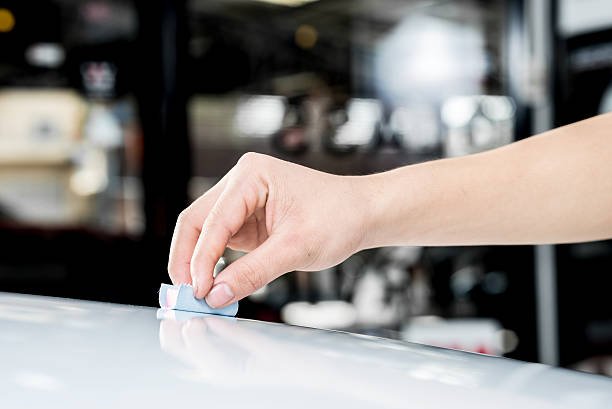
Flatten a small piece of clay into a patty and spray a two-foot section generously. Glide the clay back and forth with light pressure until it moves freely without resistance. Straight lines are easier to control and leave fewer marks than circles.
Wipe, Inspect, and Fold the Clay
Wipe the residue with a clean microfiber and run your fingertips across the panel. It should feel slick and even. Fold the clay to reveal a fresh surface often, and throw it away if you ever drop it on the ground.
Choosing the Right Clay Grade
Fine, Medium, and Heavy Options
Clay products come in different strengths, and the right one depends on how contaminated the paint feels. The table below gives a quick comparison.
| Grade | Best For | Pressure Needed | Typical Use |
|---|---|---|---|
| Fine | New or well-kept paint | Very light | Routine seasonal cleanup |
| Medium | Daily drivers with moderate buildup | Light to moderate | After winter or long storage |
| Heavy | Neglected or heavily bonded paint | Moderate | Followed by polishing |
Which Grade Fits Local Driving
Cars that face salted roads all winter often fall into the medium group. A garaged weekend vehicle may only need a fine grade. When you are unsure, begin with the milder option and step up only if the paint still feels rough.
Finishing Touches That Protect the Shine
Re-Wash and Dry
Give the car a quick rinse and dry to remove any leftover lubricant. This clears the surface for whatever protection comes next. Take a moment to check glass and trim for residue as well.
Add Wax, Sealant, or Coating
Clay removes old protection along with the dirt, so the paint is exposed afterward. Apply a wax or sealant right away, or consider a ceramic coating for longer-lasting defense against salt. Good protection makes future washing much easier.
Know When to Call a Professional
Dark colors, heavy fallout, or swirl marks are better handled by an experienced detailer. A pro can combine claying with machine polishing for a deeper result. If you prefer expert help with clay bar treatment in White Bear Lake MN, a local shop can match the method to your car.
Final Thoughts
Clay is a simple step, but it changes how every product afterward performs. Take your time, use plenty of lubricant, and protect the paint once you are done. For dependable Clay bar treatment in White Bear Lake MN, choose a detailer who values careful technique over speed.
Frequently Asked Questions
How often should I use clay on my car?
Most owners do well with one or two sessions a year. A good time is after winter, once the salt is gone. Cars parked outdoors may need it a little more often.
Will clay remove scratches?
No, clay only removes bonded contamination from the surface. Scratches and swirl marks need polishing to fix. Claying first makes that polishing step safer and more effective.
Can I use dish soap as lubricant?
It is not a good idea, since soap can dry out quickly and leave marks. A proper clay lubricant keeps the surface slick for longer. This protects the clear coat while you work.
How long does the whole job take?
A sedan usually takes about one to two hours, including washing and drying. Larger vehicles take longer, especially if the paint is heavily contaminated. Rushing is the most common cause of mistakes, so allow enough time.