Run your hand over a freshly washed car and you might still feel tiny rough spots on the paint. Those bumps are bonded contaminants, and no regular wash will lift them. Detailers have used clay for decades to remove them safely and leave the surface slick. At The Detail Doctors, we see the difference this one step makes before any polish or wax goes on. This guide explains clay bar treatment in Boise ID in plain language, so you know what to expect.
What Paint Contamination Really Is
Where It Comes From
Every drive adds something to your paint. Industrial fallout, brake dust, tree sap, road tar, and fine overspray settle on the clear coat and slowly bond to it. In the Treasure Valley, dry summer dust, wildfire ash, and winter road treatments add even more.
Why Washing Alone Fails
Soap removes loose dirt, but it cannot pull out particles that are embedded in the surface. These particles hold on tightly and keep building up over time. Waxing over them only seals the roughness in.
How to Feel It Yourself
Place your hand inside a thin plastic sandwich bag and glide it across the clean hood. The bag amplifies what your fingertips feel. If the surface feels gritty, contamination is present.
How the Process Works
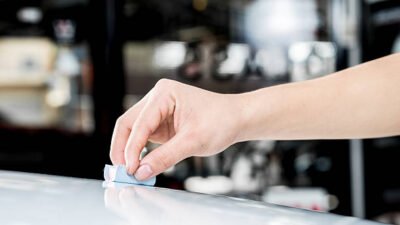
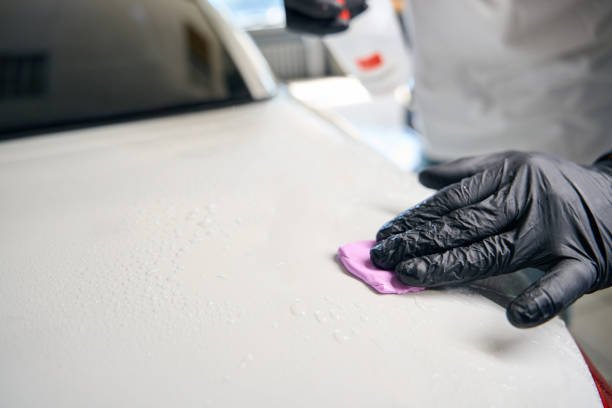
A detailing clay bar is a soft, pliable compound that grabs particles as it slides across lubricated paint. The steps are simple, but technique matters a great deal.
- Wash and dry the vehicle completely so loose dirt does not scratch the paint.
- Spray a generous layer of clay lubricant on one small panel section.
- Glide the flattened clay across the area with light pressure, in straight lines.
- Wipe the section clean with a soft microfiber towel and check the feel.
- Fold the clay often to expose a fresh surface and avoid dragging trapped grit.
- Follow with polish or protection so the cleaned paint stays sealed.
Signs Your Car Needs It
What You Will Notice
Most owners see the signs without knowing the cause. Look for these common clues:
- Paint that feels rough even right after washing
- Small orange or dark specks, especially on light colors
- Wax that no longer beads water the way it used to
- A dull finish that polish alone does not brighten
Does It Damage the Paint?
When done properly with plenty of lubricant, clay is gentle on clear coat. Problems usually come from dry claying or reusing a dropped bar. A trained detailer avoids both mistakes and checks the finish as the work progresses.
Professional or Do It Yourself
When DIY Makes Sense
If your car is fairly new and lightly contaminated, a home kit can work well. Patience and clean towels are the keys. Work in the shade and never rush through a panel.
When to Call a Pro
Heavy fallout, dark paint, or cars that sit outdoors year round benefit from experienced hands. A professional can judge when clay is enough and when machine polishing is the better path. For clay bar treatment in Boise ID, many owners book a visit before the first big wax of spring.
Aftercare That Protects Your Results
Clay strips away contamination along with old wax, so the paint is bare afterward. Protect it quickly with a sealant, wax, or ceramic coating. A few habits also help the finish last longer:
- Wash every one to two weeks with a pH balanced shampoo
- Use two buckets or a rinseless method to reduce swirl marks
- Dry with clean microfiber, not old bath towels
- Rinse off bird droppings and bugs as soon as you spot them
Common Myths About Claying
It Is Only for Old Cars
New cars pick up contamination during transport and storage, sometimes before they reach the dealer. A smooth finish is useful from day one.
You Should Do It Every Wash
Claying is occasional maintenance, not a weekly job. Most vehicles need it once or twice a year, depending on parking and driving conditions.
It Replaces Polishing
Clay removes bonded particles but does not fix scratches or oxidation. Polishing handles those issues, and the two services work best together.
Final Thoughts
A smooth surface is the foundation of every good detail, and clay is the step that creates it. Whether you try it yourself or hire help, the goal is the same: clean paint that is ready for protection. If you want trusted Clay bar treatment in Boise ID, choose a detailer who explains each step and cares about your finish.
Frequently Asked Questions
How often should I clay my car?
Most drivers do well with one or two sessions per year. Cars parked outside or driven on dusty roads may need it more often. The bag test is an easy way to check.
How long does the service take?
A standard sedan usually takes about one to two hours. Larger vehicles or heavily contaminated paint can take longer. The time is worth it because it improves every step that follows.
Can clay be used on glass and wheels?
Yes, clay works on windows and smooth painted wheels as well. It removes water spots and film that normal cleaners often miss. Use fresh lubricant and a clean section of clay each time.
Should I wax after claying?
Yes, because clay leaves the paint without protection. Apply a wax, sealant, or coating soon after the work is finished. This keeps contamination from bonding again so quickly.