
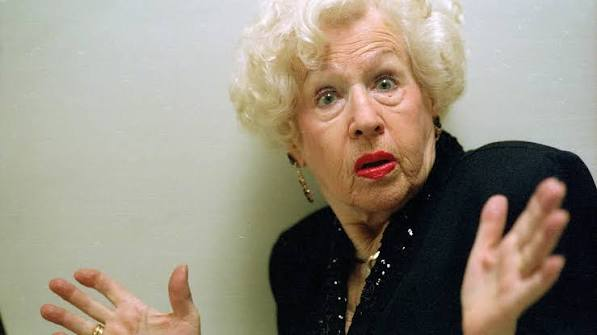
Mina Bern was a force of nature. Her career spanned over seven decades, carrying the torch of Yiddish culture through its darkest hours and its most joyful revivals. If you have ever seen a performance filled with raw emotional power and comedic timing rooted in the old world, you have felt her influence. This guide explores her life, her art, and her lasting impact on the stage and screen. You will discover why this performer remains a vital link to a rich cultural past.
Table: Mina Bern at a Glance
| Attribute | Detail |
| Full Name | Mina Bern (née Mina Bernholtz) |
| Birth | 1911, Kielce, Poland |
| Death | January 10, 2010, New York City, USA |
| Primary Medium | Yiddish Theater, Film, Television |
| Notable Works | Avalon, Crossing Delancey, Yidl Mitn Fidl (Stage) |
| Awards | Obie Award for Sustained Excellence (1999) |
1. The Early Life of Mina Bern in Poland
Mina Bern was born in Kielce, Poland, in 1911. Her family was deeply involved in the performing arts. Her father, a theater prompter, and her mother, an actress, introduced her to the stage while she was still a child. This early exposure created a foundation for her future. She learned the craft not from textbooks, but from the living, breathing world of traveling troupes. This experience gave her an authentic voice that later audiences immediately recognized.
2. Escaping War and Building a New Home
The rise of Nazism forced Mina Bern to flee Poland. She escaped to Russia, where she continued performing for displaced audiences during World War II. This period was dangerous and uncertain, yet she used her art to comfort others. After the war, she returned to Poland briefly before realizing the need to leave Europe permanently. She immigrated to the United States in 1949, settling in New York City. This move placed her at the center of the American Yiddish theater scene.
3. Her Dedication to the Yiddish Theater Scene
Mina Bern did not just act; she embodied the spirit of Yiddish theater. She joined the Folksbiene Theater in New York, where she remained a staple for decades. Her work kept the language alive for new generations of immigrants and American-born Jews. She understood that theater was a community event, not just a performance. Her roles often highlighted the strength and humor of Jewish women. This commitment made her a beloved figure in the cultural landscape.
4. What Made Mina Bern Unique as a Performer?
Audiences loved her for her expressive face and impeccable comic timing. She could shift from a hilarious punchline to a heartbreaking moment of grief within seconds. Critics praised her ability to command the stage without overshadowing her co-stars. Unlike method actors who rely on internal psychology, she used broad physicality rooted in European theatrical tradition. This style made her performances vivid and accessible. She was a bridge between the old world and the new.
5. Breakthrough Role in Crossing Delancey
Many mainstream audiences discovered Mina Bern through the 1988 film Crossing Delancey. She played the role of “Bubbie,” the matchmaking grandmother of the protagonist. Her performance brought authenticity and warmth to the screen. She represented the old neighborhood’s voice, guiding the younger generation with wisdom and humor. The film’s success introduced her to a global audience who had never attended a Yiddish play. Her portrayal remains a high point of 1980s independent cinema.
6. The Role of “Bubbie” and Cultural Representation
In Crossing Delancey, Mina Bern did more than play a grandmother; she represented a generation. She showed the dignity of elderly immigrants who built lives in America. The character was not a caricature but a fully realized person with desires and memories. This representation resonated with viewers from all backgrounds. She proved that stories about older women could be commercially successful and critically acclaimed. It was a defining moment in her film career.
7. Mina Bern and Her Work with Barry Levinson
Director Barry Levinson cast Mina Bern in his acclaimed film Avalon (1990). The movie explores the immigrant experience of a Jewish family in Baltimore. In the role of “Eva Krichinsky,” she brought a quiet strength to the ensemble cast. Levinson valued actors who brought real history to their roles. Bern delivered a performance that felt organic and unrehearsed. This collaboration placed her in one of the most respected dramatic films of the decade.
8. Transitioning from Stage to Screen and Television
While the stage was her first love, Mina Bern adapted easily to the camera. She had appearances on television programs like The Cosby Show and Law & Order.Her screen work required a subtler style than the theater demanded. She mastered this shift quickly, proving her versatility as an actress. Directors valued her professionalism and speed on set. This ability to move between mediums kept her working well into her nineties.
9. The Significance of the Obie Award for Mina Bern
In 1999, the Off-Broadway theater community honored Mina Bern with an Obie Award. She was given the Sustained Excellence Award. This recognition validated her lifetime of work outside the commercial spotlight. It acknowledged her role as a cultural custodian for the Yiddish language. The award brought attention to the Folksbiene and its mission. It was a well-deserved moment of glory for a dedicated artist.
10. How Mina Bern Preserved Yiddish Culture
Mina Bern viewed language as more than words; it was a vessel for memory. By performing in Yiddish, she kept the stories of Eastern European Jews alive. She mentored younger actors, teaching them the proper pronunciation and rhythm of the language. She fought against the cultural amnesia that often follows displacement. Her work ensured that future generations could hear the language spoken with passion. This was her greatest legacy.
11. The Physical Comedy and Vocal Power of Mina Bern
Her voice was a powerful instrument. She could fill a theater without a microphone, a skill learned in the pre-amplification era. Her physical comedy recalled the great clowns of the silent film era. She used her small stature to great effect, often playing characters who were underestimated. Yet, her stage presence was immense. This combination of vocal strength and physical agility made her unforgettable.
12. Mina Bern’s Influence on Modern Jewish Performers
Today, many Jewish actors cite Mina Bern as an inspiration. She showed that one could have a fulfilling career without abandoning cultural roots. Her fearlessness on stage encouraged others to take risks. She proved that authenticity matters more than trends. Performers like Jackie Hoffman and Yelena Shmulenson have carried on her tradition of blending humor with pathos. She left a blueprint for success in niche cultural arts.
13. Lasting Legacy and Final Years of Mina Bern
Mina Bern continued to perform into her late nineties. She remained sharp, witty, and dedicated to her craft until the end. She passed away in New York City on January 10, 2010. Her death marked the end of an era for Yiddish theater. However, her recordings and the memories of her performances continue to circulate. She proved that art rooted in specific culture can have universal appeal.
Frequently Asked Questions About Mina Bern
Who was the actress Mina Bern?
Mina Bern was a Polish-born American actress. She was a dominant figure in Yiddish theater for over 70 years. Mainstream audiences know her best for her film roles in Crossing Delancey and Avalon. She won an Obie Award in 1999.
What was Mina Bern famous for?
Mina Bern was famous for her dynamic stage presence and comedic talent. She was a leading lady in the New York Yiddish theater scene. Later, she became famous for playing the “Bubbie” in the film Crossing Delancey. This role brought her international recognition.
What happened to Mina Bern?
Mina Bern lived a long and active life. She died of natural causes on January 10, 2010, in New York City. She was 98 years old. She performed on stage well into her final years, proving her dedication to her art.
Where was Mina Bern born?
Mina Bern was born in Kielce, Poland. Her birth year is recorded as 1911. She spent her early life in Poland before fleeing the Nazis during World War II. She eventually settled permanently in the United States in 1949.
How old was Mina Bern in Crossing Delancey?
Mina Bern was 77 years old when Crossing Delancey was released in 1988. Despite her age, she delivered a vibrant and energetic performance. She continued acting for nearly two decades after the film’s success.
Did Mina Bern win any awards for her acting?
Yes, Mina Bern won an Obie Award. The American Theatre Wing presented her with the Award for Sustained Excellence in 1999. This honor recognized her decades of dedication to Off-Broadway and Yiddish theater.
Conclusion
Mina Bern’s life was a testament to the power of resilience and artistic integrity. She refused to let time or tragedy silence her voice. Her work remains a masterclass in blending comedy with deep human emotion. You should watch Crossing Delancey or Avalon today to witness her genius firsthand. Let her performances inspire you to preserve your own cultural stories and share them with the world.