
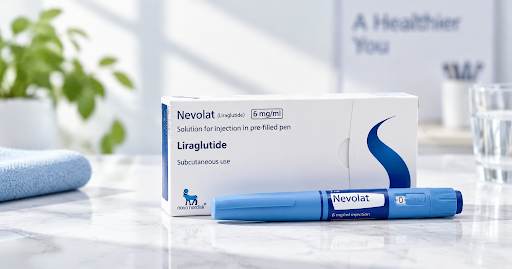
Managing weight can be challenging, especially when lifestyle changes alone do not produce the expected results. As a result, prescription weight-management treatments have become an important option for some people who meet specific medical criteria. Nevolat is one such medicine and contains the active ingredient liraglutide, a GLP-1 receptor agonist used as part of a broader weight-management programme.
However, medicines used for weight management should not be viewed as a quick solution. Nevolat is intended to work alongside appropriate nutrition and increased physical activity, and its suitability depends on an individual’s health, medical history, and treatment goals. Understanding how it works, who may be suitable for it, and what precautions are involved can help patients have more informed conversations with healthcare professionals.
What Is Nevolat?
Nevolat is a prescription medicine supplied as a pre-filled injection pen. Its active ingredient is liraglutide, which belongs to a group of medicines known as GLP-1 receptor agonists. It is designed to support weight management when combined with a reduced-calorie diet and increased physical activity.
Liraglutide works in a way that is similar to the naturally occurring hormone GLP-1. One of its effects is to act on areas of the brain involved in appetite regulation. This can increase feelings of fullness and reduce hunger, which may help some people consume less food over time.
It is important to remember that Nevolat is a prescription medicine, not simply a general dietary supplement. A healthcare professional should determine whether it is appropriate for an individual.
How Does Nevolat Work?
The active ingredient in Nevolat, liraglutide, mimics the action of GLP-1, a hormone naturally released by the body after eating. GLP-1 has several effects related to appetite and food intake. Nevolat acts on GLP-1 receptors, including receptors involved in appetite control.
One practical effect is that users may experience greater feelings of fullness and less hunger. This can make it easier for some people to follow a reduced-calorie eating plan. The medicine therefore works as part of a wider approach rather than replacing healthy eating or physical activity.
Because people respond differently to medicines, the results and experience of treatment can vary. Regular medical review is therefore an important part of responsible use.
Who May Be Prescribed Nevolat?
According to the current UK patient information, Nevolat may be prescribed for weight management in adults with a BMI of 30 kg/m² or greater, or adults with a BMI from 27 kg/m² to below 30 kg/m² who also have a weight-related health problem. Examples include type 2 diabetes or abnormal blood glucose, high blood pressure, abnormal blood lipid levels, or obstructive sleep apnoea.
Nevolat may also be used in certain adolescents aged 12 years and above who have obesity and a body weight above 60 kg, under appropriate medical supervision.
These criteria do not mean that everyone who meets a BMI threshold should automatically use Nevolat. A healthcare professional needs to consider the person’s overall health, medical history, current medicines, and potential risks before prescribing it.
Potential Benefits of Nevolat
One of the main potential benefits of Nevolat is its role in supporting weight reduction when combined with dietary changes and physical activity. By influencing appetite and feelings of fullness, liraglutide may help people reduce their overall food intake.
Weight management can also be relevant to broader health goals. For people living with obesity or weight-related health conditions, losing weight under professional guidance may form part of a wider strategy for improving health.
However, individual outcomes can differ. Nevolat should not be promoted as a guaranteed way to achieve a particular amount of weight loss. Treatment should instead be monitored over time to determine whether it is providing sufficient benefit.
Nevolat and Lifestyle Changes
Nevolat is not intended to replace healthy habits. The official patient information specifically states that treatment should be accompanied by a diet and exercise programme.
A sustainable approach can include:
- Choosing nutritious, balanced meals
- Managing portion sizes
- Including appropriate physical activity
- Drinking enough fluids
- Getting adequate sleep
- Following the treatment plan provided by a healthcare professional
- Attending recommended follow-up appointments
Combining medication with sustainable lifestyle habits can help create a more structured approach to long-term weight management.
How Is Nevolat Administered?
Nevolat is administered as a subcutaneous injection, meaning it is injected under the skin rather than into a vein or muscle. The approved product information states that it can be injected into areas such as the abdomen, thigh, or upper arm. Injection sites should be rotated.
For adults, treatment generally begins with a lower dose and is gradually increased at weekly intervals to improve gastrointestinal tolerability. The standard maintenance dose described in the UK product information is 3.0 mg once daily.
Patients should not change the dose themselves. The exact treatment schedule should always follow the instructions provided by the prescribing healthcare professional.
Common Side Effects
Like other prescription medicines, Nevolat can cause side effects. The UK patient leaflet lists nausea, vomiting, diarrhoea, constipation, and headache among very common side effects. These may improve after the body becomes accustomed to treatment.
Other reported effects can include indigestion, stomach discomfort, bloating, dizziness, tiredness, injection-site reactions, and gallstones. Low blood sugar can also occur, particularly in people using certain diabetes medicines alongside Nevolat.
Experiencing a side effect does not necessarily mean treatment must be stopped, but patients should discuss concerns with their doctor or pharmacist. Severe or persistent symptoms require prompt medical attention.
Important Safety Considerations
Responsible use means understanding when additional medical advice is necessary. The official information advises caution for people with certain medical conditions, including a history of pancreatitis, severe gastrointestinal problems involving delayed stomach emptying, and some kidney or liver problems.
Nevolat is also not recommended in certain circumstances, and patients should tell their healthcare professional about other medicines they are taking. Particular attention may be required when Nevolat is used alongside insulin or sulfonylurea medicines because of the potential for low blood sugar.
Patients should also tell healthcare professionals if they are due to undergo surgery involving anaesthesia.
When Should You Seek Medical Help?
Some reactions require urgent medical attention. For example, severe and persistent abdominal pain that may spread to the back can be a warning sign of pancreatitis. The patient leaflet advises seeking medical attention immediately if these symptoms occur.
Rare serious allergic reactions can also occur. Symptoms such as breathing difficulties, swelling of the face or throat, or a rapid heartbeat require urgent medical attention.
Significant weight loss can also increase the risk of gallstones, so severe upper-abdominal pain should not be ignored.
Who Should Avoid or Discuss Nevolat With a Doctor?
Nevolat should not be used by anyone who is allergic to liraglutide or any of the ingredients in the medicine. Certain medical conditions may also make treatment unsuitable or require additional monitoring.
People who are pregnant, planning to become pregnant, or breastfeeding should speak to their healthcare professional before considering treatment. The current UK patient leaflet states that Nevolat should not be used during pregnancy or breastfeeding.
Anyone considering Nevolat should provide a complete medical history, including existing conditions and prescription or non-prescription medicines, so that an appropriate treatment decision can be made.
Responsible Use: What Patients Should Remember
Using Nevolat responsibly involves more than following an injection schedule. Patients should use it only when prescribed, follow the instructions provided by their healthcare professional, and avoid changing the dose without medical advice.
It is also important not to share the medicine or injection pen with another person. The official patient information states that Nevolat has been prescribed for the individual patient and should not be passed to others.
Patients should keep their healthcare provider informed about side effects, changes in health, and other medicines they begin taking during treatment.
Nevolat Is Part of a Wider Weight-Management Plan
One of the most important points to understand about Nevolat is that it is not designed to work independently of lifestyle changes. The medicine is intended to be used alongside an appropriate diet and increased physical activity.
A realistic weight-management plan may involve gradual changes rather than dramatic short-term restrictions. Eating nutritious foods, staying physically active, managing sleep, and following professional advice can all contribute to a healthier long-term routine.
Medication can be one component of that plan when clinically appropriate.
Frequently Asked Questions About Nevolat
Is Nevolat a weight-loss medicine?
Yes. Nevolat contains liraglutide and is authorised for weight management in eligible patients when used alongside dietary changes and physical activity.
How often is Nevolat used?
The UK product information describes Nevolat as a once-daily injection. Treatment normally begins at a lower dose and is gradually increased under medical guidance.
Can I use Nevolat without changing my diet?
Nevolat is intended to be used alongside a reduced-calorie or healthy eating plan and increased physical activity. It should not be considered a replacement for lifestyle changes.
Can everyone use Nevolat?
No. Eligibility depends on factors such as BMI, weight-related health conditions, age, medical history, and other medicines. A healthcare professional should determine whether treatment is suitable.
What should I do if I experience side effects?
Speak with your doctor, pharmacist, or nurse if you experience side effects. Seek urgent medical attention for serious symptoms such as severe persistent abdominal pain, breathing difficulties, or swelling of the face or throat.
Final Thoughts
Nevolat provides a medically supervised option for certain people who need additional support with weight management. Its active ingredient, liraglutide, works through GLP-1 receptors involved in appetite regulation and can help support reduced food intake when combined with appropriate lifestyle changes.
However, responsible use is essential. Nevolat is a prescription medicine, and its suitability varies from person to person. Understanding the potential benefits, possible side effects, eligibility requirements, and safety precautions can help patients make informed decisions together with their healthcare professionals.
If you are considering Nevolat, discuss your individual circumstances with a qualified doctor or pharmacist rather than relying solely on online information. This is particularly important if you have existing health conditions, take other medicines, are pregnant or planning pregnancy, or experience unexpected symptoms during treatment.