Food packaging plays an important role in how customers recognize, understand, and choose products. While packaging protects and presents food items, labels provide essential information that helps buyers make informed decisions. From ingredient details to branding elements, a well-designed food label can improve product presentation and create a more professional appearance.
Whether a business sells baked goods, snacks, frozen foods, sauces, or packaged ingredients, suitable labels can support product identification and brand consistency. Choosing the right material, design, and printing style is therefore an important part of developing effective food packaging.
Why Food Labels Matter for Food Businesses
Food labels do more than display a company logo. They communicate important product information and help customers understand what they are purchasing. Depending on the product and applicable regulations, labels may include ingredients, allergen information, nutritional details, net quantity, storage instructions, expiration or best-before dates, and manufacturer information.
Clear and readable labeling can make packaged food easier to identify. It also helps businesses maintain a consistent appearance across different products and packaging sizes.
For small businesses and established food manufacturers alike, professional labels can support customer confidence. When information is organized properly, customers can find relevant details without confusion.
The Role of Custom Food Packaging Labels
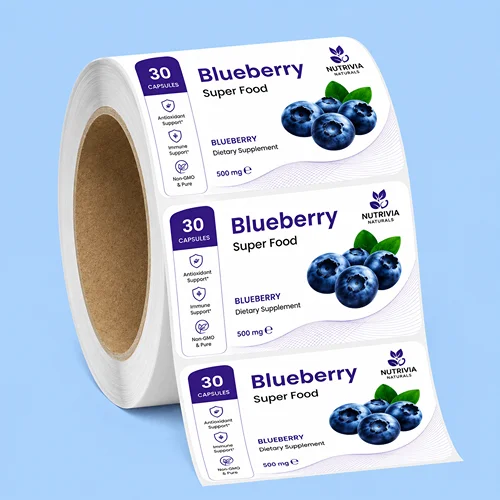
Every food product has different packaging requirements. A label designed for a glass sauce bottle may not be suitable for a frozen food pouch or a bakery container. This is why businesses often choose custom food packaging labels that match their product dimensions, packaging material, and branding style.
Custom labels allow businesses to select suitable shapes, sizes, colors, and layouts. They can include logos, product names, ingredient information, and other required details in an organized format.
For example, a bakery may use attractive labels to identify different cookie flavors, while a sauce manufacturer may need labels that fit curved bottles. A snack company might prefer compact labels that complement flexible packaging.
The design should balance visual appeal with readability. Important information must remain clear, even when the label is small or contains several details.
Choosing the Right Label Material
The material used for a food label can influence its appearance, durability, and suitability for different packaging conditions. Businesses should consider the product, storage environment, and packaging surface before selecting a material.
Paper Labels: Paper labels can be suitable for many dry products and standard packaging applications. They offer different printing and finishing options but may require additional consideration when exposed to moisture.
Water-Resistant Labels: Products stored in refrigerators or exposed to condensation may need labels designed to resist moisture. The adhesive and label construction should be selected according to the expected conditions.
Film Labels: Film-based labels can provide flexibility and durability for certain packaging applications. They are often considered for containers and products that require resistance to handling or environmental conditions.
Specialty Labels: Some brands choose textured, transparent, or decorative finishes to create a distinctive appearance. These options can help packaging stand out while maintaining a professional design.
Businesses should confirm that the selected label materials and adhesives are suitable for their intended packaging application. For products requiring food-contact compliance, applicable material and regulatory requirements should always be checked.
How Labels Strengthen Food Branding
Brand identity is an important part of product recognition. Customers may see several similar products on a store shelf, so consistent packaging can help a business become easier to recognize.
Labels provide space for brand colors, logos, typography, and product descriptions. Using these elements consistently across a product range can create a recognizable visual identity.
A premium food brand might prefer a minimal layout with elegant typography, while a snack company may choose brighter colors and more playful graphics. The design should reflect the product’s audience and overall brand personality.
Businesses can also use labels to distinguish product varieties. Different colors or clearly displayed product names can help customers identify flavors, sizes, or ingredients quickly.
Combining Pouches and Labels for Better Packaging
Flexible packaging has become a popular option for many food products because it can accommodate different sizes and product types. Stand-up pouches, resealable bags, and other flexible formats are used for snacks, dry foods, powders, and selected specialty products.
Using custom pouches and labels together gives businesses more control over their packaging presentation. A pouch provides the main packaging structure, while a label can display branding and product information.
For smaller businesses, this approach may offer flexibility when introducing new products or managing several product varieties. Different labels can be used to identify flavors or product categories while maintaining a consistent pouch style.
However, the pouch material, closure, barrier properties, and label adhesive should be selected according to the food product’s storage and protection requirements. Not every pouch or label is suitable for every type of food.
Important Details to Include on Food Labels
Food labeling requirements vary by product and location. Businesses should review the regulations that apply to their market before preparing final artwork.
Depending on the product and legal requirements, useful label information may include:
- Product name and description
- Ingredient list in the required order
- Allergen declarations
- Net weight or quantity
- Nutritional information, where required
- Manufacturing and expiration or best-before dates
- Storage and handling instructions
- Manufacturer or distributor details
- Batch or lot identification
The text should be easy to read and arranged in a logical order. Businesses should avoid overcrowding the label with unnecessary design elements that make important information difficult to find.
Tips for Designing Effective Food Labels
A successful food label combines attractive design with practical information. Before printing, businesses should check the label dimensions and confirm that the artwork fits the packaging surface.
Use readable fonts and maintain enough contrast between the text and background. Keep the logo visible without allowing it to overpower important product details.
It is also useful to review a printed sample before approving a large order. This helps identify issues with colors, text size, alignment, adhesive performance, or material selection.
For products sold in different sizes, creating a consistent label template can make future packaging updates easier. Only the necessary product-specific information needs to change while the overall brand identity remains recognizable.
Final Thoughts
Food labels are an essential part of product packaging and brand communication. They help customers identify products, understand important information, and recognize businesses across different retail environments.
By selecting suitable materials, organizing product details clearly, and using consistent branding, food businesses can create packaging that looks professional and serves practical needs. Companies exploring customized labeling solutions can learn more about available options at Label Pouches.