What Is Microdermabrasion Treatment?
Microdermabrasion Treatment is a popular non-invasive skincare procedure designed to improve the appearance and texture of the skin. It gently removes the outer layer of dead skin cells, helping reveal smoother and fresher-looking skin underneath. Because the treatment does not usually require needles or surgery, it is often chosen by people who want a simple approach to improving their complexion.
The procedure can be performed on different areas of the body, although the face is one of the most common treatment areas. It may help address concerns such as dull skin, uneven texture, mild acne scars, fine lines, sun damage, and clogged pores. Results can vary depending on the person’s skin type and the condition being treated.
How Does Microdermabrasion Work?
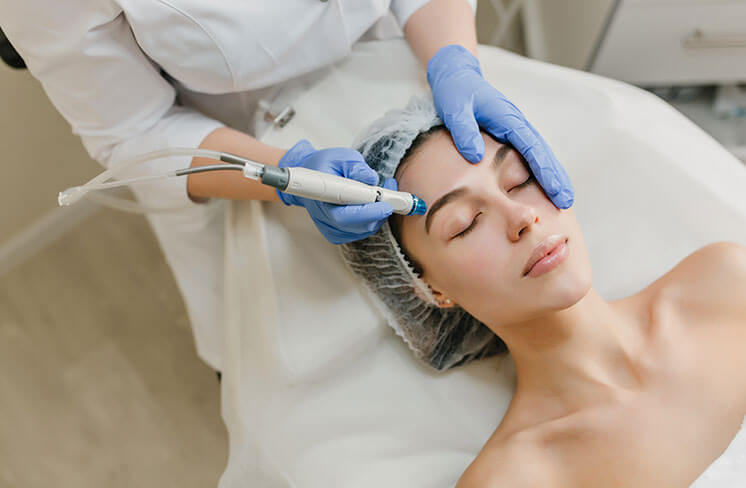
During a typical session, a skincare professional uses a specialized device to exfoliate the surface of the skin. Some devices use a diamond-tipped applicator, while others use fine crystals to remove dead skin cells. A vacuum system may also be used to remove loosened skin cells and stimulate circulation.
The process is generally gentle and does not involve removing deeper layers of skin. This makes Microdermabrasion Treatment different from stronger resurfacing procedures. The exact technique used can depend on the equipment, treatment area, and individual skincare goals.
What Skin Concerns Can It Address?
Microdermabrasion may be suitable for several common skin concerns. By removing surface buildup, it can make the skin look brighter and feel smoother. Regular treatments may also support a more even-looking complexion.
Common concerns people may seek treatment for include:
- Dull or tired-looking skin
- Rough skin texture
- Mild acne scars
- Fine lines
- Uneven skin tone
- Sun-related skin changes
- Enlarged-looking pores
- Surface-level pigmentation
- Blackheads and clogged pores
It is important to understand that microdermabrasion is primarily a surface-level exfoliation treatment. Deeper scars, severe pigmentation, or significant skin conditions may require other professional treatments.
Benefits of Microdermabrasion Treatment
One of the main benefits of Microdermabrasion Treatment is improved skin smoothness. Removing dead cells from the skin’s surface can create a softer and more polished appearance. It can also help skincare products spread more evenly across the skin.
Another benefit is that there is usually little disruption to daily activities compared with more intensive resurfacing procedures. Some people may notice temporary redness or sensitivity after treatment, but these effects commonly settle relatively quickly.
With a suitable skincare routine and professionally planned treatment schedule, microdermabrasion can become part of a broader skin maintenance plan.
What Happens During a Treatment Session?
Before treatment begins, the skin is usually cleansed to remove makeup, oil, and surface impurities. The professional then moves the microdermabrasion device across the selected area using controlled movements.
The procedure itself is generally relatively quick, although the total appointment time can vary. After exfoliation, the skin may be cleaned and a moisturizer or soothing skincare product may be applied.
Many people describe the sensation as a light scratching or vibrating feeling. However, comfort levels can differ from person to person.
What Should You Expect After Treatment?
After Microdermabrasion Treatment, the skin may appear slightly pink or feel more sensitive than usual. Temporary dryness or mild tightness can also occur. These effects generally depend on the person’s skin sensitivity and the intensity of the procedure.
After treatment, protecting the skin from excessive sun exposure is especially important. A broad-spectrum sunscreen can help protect newly exfoliated skin. It is also useful to follow the aftercare instructions provided by the skincare professional.
Harsh exfoliants and irritating skincare products may need to be avoided for a short period after treatment, depending on professional advice.
How Often Should You Get Microdermabrasion?
There is no single schedule that works for everyone. Treatment frequency depends on skin type, existing skin concerns, treatment intensity, and individual goals. A skincare professional can assess the skin and recommend an appropriate schedule.
Some people choose occasional sessions to refresh their complexion, while others may follow a series of treatments. Consistency and proper aftercare are important when incorporating microdermabrasion into a long-term skincare routine.
Is Microdermabrasion Suitable for Everyone?
Microdermabrasion may not be appropriate for every person or every skin condition. Individuals with active skin infections, open wounds, severe inflammatory acne, or certain skin disorders should discuss their situation with a qualified professional before undergoing treatment.
People using certain prescription skincare products or those who have recently undergone other cosmetic procedures should also disclose this information during their consultation. A professional assessment helps determine whether microdermabrasion is an appropriate option.
How to Choose a Microdermabrasion Professional
Choosing an experienced and properly trained skincare professional is an important part of the process. Ask about their qualifications, experience, equipment, hygiene practices, and approach to skin assessment.
A good consultation should include a discussion of your skin concerns, previous treatments, skincare products, and desired results. Avoid choosing a treatment solely based on price. Proper technique, hygiene, and individualized care are important factors in achieving a safe and comfortable experience.
Final Thoughts
Microdermabrasion Treatment offers a practical way to exfoliate the skin and improve its overall appearance and texture. It can be useful for people dealing with dullness, rough texture, mild surface imperfections, and other common skincare concerns. While it is not a solution for every skin problem, professional treatment combined with suitable aftercare can make it a valuable part of a skincare routine.