
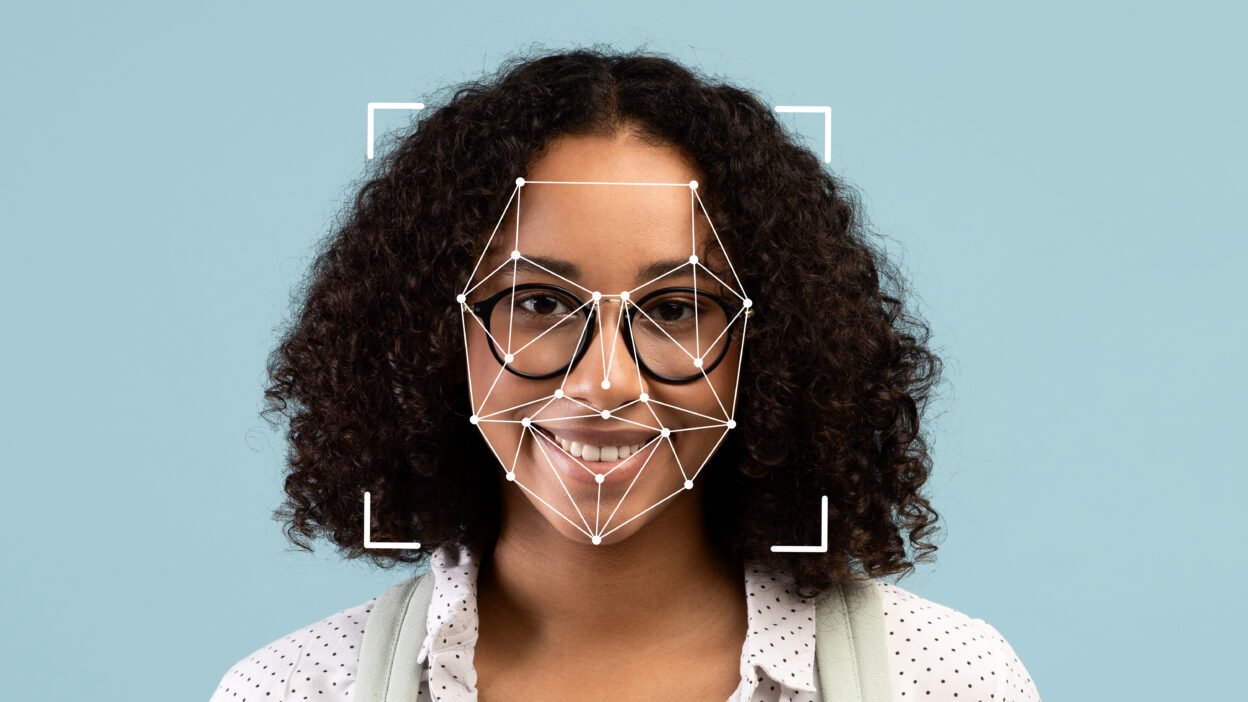
Do you know of instances where you see a child and immediately notice a very strong likeness to his/her parent? Many people tend to share the same physical traits, and these include everything from the shape of the eyes and nose to the structure of the jawline and even the face structure as a whole. In our technological era, we have the tools to analyze the likeness in faces in a more organized fashion through something called a “facial similarity test.” It involves analyzing the visible traits of one face with another to look for similarities in facial likenesses.
How Does a Facial Similarity Test Work?
A facial comparison uses photographs rather than DNA samples. Image-analysis technology identifies visible facial landmarks and compares their proportions and structure between two people.
Depending on the service, the analysis may examine features such as
- Eye spacing and shape
- Nose width and shape
- Lip structure
- Jawline and chin
- Forehead and brow position
- Overall face shape and symmetry
Clear, front-facing, well-lit photographs generally provide better conditions for comparison. Filters, extreme angles, sunglasses, shadows, and poor image quality can affect the visual assessment.
Can Facial Features Reveal Family Resemblance?
Yes, facial characteristics can provide interesting clues about visible family resemblance. Children inherit physical traits from their biological parents, which can sometimes result in similarities in facial structure, eye shape, nose characteristics, or jawline.
A family face comparison test can therefore be useful for exploring questions such as whether a child resembles a parent or whether siblings share noticeable facial characteristics.
However, resemblance is not proof of biological relatedness. Unrelated people can have remarkably similar facial features, while biological relatives may look quite different.
What Is Face-Based DNA Matching Technology?
Contrary to the language often seen online, a face-based DNA matching tool does not match any DNA at all. It performs facial comparisons using photos, whereas DNA lab testing is done on genetic material obtained from bodily fluids.
It becomes especially critical where the results will have legal consequences regarding paternity, inheritance, immigration, custody, or some other legal issue. It is a fascinating way to compare faces, but it cannot prove or disprove a biological connection.
Facial Comparison vs. DNA Testing
A facial comparison asks, “How similar do these two faces look?” A laboratory DNA test asks whether the genetic evidence supports a specific biological relationship.
For scientific or legal confirmation, laboratory DNA testing is the appropriate option. A facial report should be treated as an informational tool rather than genetic proof.
What Can Affect Facial Comparison Results?
The quality and consistency of the photographs matter. Two images taken under very different conditions can make otherwise similar faces appear less alike.
For a more useful comparison, choose photographs that show the entire face clearly, preferably with similar lighting and minimal obstruction. Avoid heavily edited images or photographs with dramatic angles.
It is also worth remembering that age, hairstyle, facial hair, expression, weight changes, and lighting can alter someone’s appearance without changing their underlying genetics.
Choosing a Reliable Facial Similarity Test Provider
Labs such as Face DNA Test offer facial comparison services through a face-based DNA matching tool that examines visible facial characteristics such as eye spacing, nose shape, lips, jawline, chin, and overall facial structure. Its service is positioned for personal knowledge and explicitly distinguishes facial comparison from laboratory DNA testing.
This kind of test will suit casual customers who just want to find out whether there is any family resemblance, while those who require scientific verification of their relations should look into a laboratory DNA test.
Conclusion
A facial similarity test will help reveal family resemblance through comparison of facial features. This kind of test can be used in various situations, such as between parents and children, siblings, grandparents, etc., but it cannot be regarded as genetic proof of the relationship between two people.