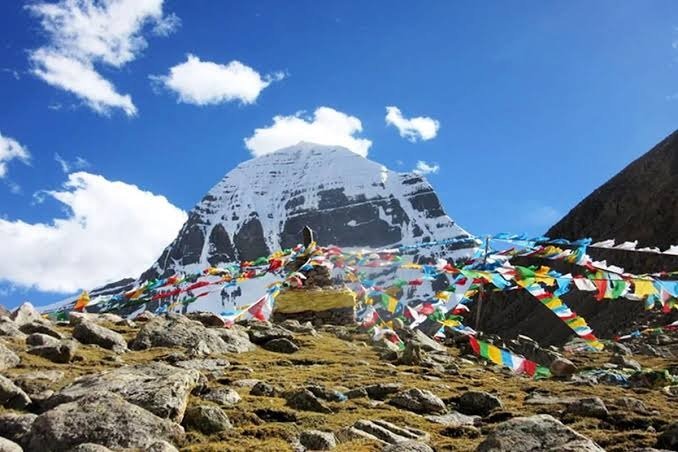
The Kailash road route is more than just a way to get to one of the most revered spots in the Himalayas. It takes travellers through changing landscapes, local communities and traditions shaped by geography and faith. For the pilgrims, going by road means slowly entering the high-altitude region around Mount Kailash and Lake Mansarovar from Kathmandu.
Kathmandu: Where the Cultural Journey Begins
Kathmandu is usually where the cultural journey begins. Before travelling to the Nepal-China border, pilgrims often visit Hindu sites like Pashupatinath, Guheshwari, and Jal Narayan.
Pashupatinath holds special importance. The rituals and riverside location show how worship, community life, and the sacred landscape are connected.
Crossing Borders and Entering the Himalayas
As you travel overland toward Tibet, the surroundings change noticeably. After crossing the Friendship Bridge, travellers find themselves in areas with smaller settlements, wide open roads, and higher altitudes that shape daily life.
Travelling to Kailash Mansarovar by road lets you see these gradual changes. Over several days, pilgrims notice the vegetation thinning out, mountains rising higher, and the air getting thinner.
The Sacred Geography of Mansarovar
Lake Mansarovar is more than just a beautiful place to visit. It holds deep religious meaning for many traditions. Hindu pilgrims connect it closely with Lord Shiva, and Buddhists, Jains, and Bon followers also see the Kailash region as sacred.
Stories and centuries-old traditions shape how people see the lake and Mount Kailash. The landscape itself becomes part of the pilgrimage. Water, mountains, and monasteries all have special meanings that affect how pilgrims experience the journey.
Traditional practices often include prayers, puja, and walking around sacred sites. However, rules about access can change. It is important to follow the latest instructions from local authorities, especially about bathing and moving near restricted areas.
Parikrama and the Meaning of Hardship
The parikrama, or kora, around Mount Kailash is one of the toughest parts of the journey. Pilgrims walk long distances at very high altitudes, and the Dolma La Pass is especially challenging.
The physical challenges are closely tied to spiritual meaning. Many see hardship as part of devotion, discipline, and reflection. Walking through cold, thin air and rough terrain helps pilgrims focus on why they are making the journey.
Places like Yama Dwar, Shiva Sthal, and Gauri Kund mean more than just their physical features. The rituals and beliefs tied to these spots show how people see the landscape as connected to ideas of mortality, renewal, and spiritual change.
A Meeting Point of Religious Traditions
One striking thing about the Kailash region is that it matters to many faiths. Hinduism, Buddhism, Jainism, and Bon each have their own ways of understanding the sacred mountain and its surroundings.
This shared respect makes the region unique and important. Each tradition tells different stories about the mountain, but the area remains a place for pilgrimage and reflection. Their coexistence shows that sacred places can bring together people from different cultures and religions.
Along the way, travellers also see Tibetan Buddhist influences, such as monasteries, prayer flags, and local religious customs.
Life Along the Road
Guesthouses, small villages, roadside tea stalls, and local transport all help pilgrims as they travel through remote areas. Food, places to stay, and travel plans are adapted to fit the environment.
Pilgrimage groups are usually served pure vegetarian meals, following the dietary customs of the yatra. Local Tibetan and Himalayan communities keep their own food and social traditions. Meeting and interacting with local people is an important part of the cultural experience.
Local communities have learned to live in a place where the weather changes quickly and resources are sometimes scarce.
The Road as a Cultural Experience
Unlike a typical holiday, travelling to Kailash Mansarovar by road is meaningful in itself. As pilgrims spend days moving through changing landscapes, they come to appreciate the vastness of the Himalayas and the cultural importance of certain places.
The road creates progression. Kathmandu introduces urban religious life; border settlements reveal the plateau; Mansarovar brings the pilgrim into a sacred environment; and the parikrama becomes a personal experience.
Even with modern transport, the route is still culturally important. Roads link far-off places, but their meaning comes from many generations of religious practice and local history.
Nepal Tourism Package and the Journey Ahead
Nepal Tourism Package helps pilgrims with travel plans for the Kailash journey through Nepal. Their itineraries include road trips and support with accommodation, transport, permits, guides, and meals, meeting the practical needs of traveling in high-altitude and restricted areas.
The company offers several packages, so travelers can choose routes and travel styles that suit them. These options are helpful for a journey where border rules, acclimatization, local regulations, and changing conditions need careful planning. A Kailash Mansarovar package helps organise all the practical details.
Conclusion
The Kailash road route is much more than just a way to reach Mount Kailash. It links Kathmandu’s temple culture with Himalayan scenery, Tibetan traditions, and the shared sacred geography of many religions. Every stage, from roadside settlements to ancient ritual sites, adds meaning to the pilgrimage.
For travelers, knowing about this cultural side can make the journey more meaningful. The road is not just a way to get from one place to another; it is part of a story about faith, endurance, community, and the lasting bond between people and mountains. A Kailash Mansarovar package can handle the practical details, but the real meaning comes from the places, traditions, and people you meet along the way.