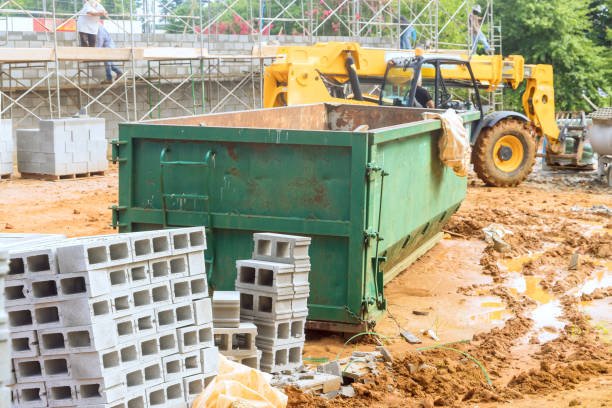
Every builder has a story about a job that ran late because the dumpster was too small, blocked the driveway, or arrived after debris had already buried the yard. Waste handling looks simple on paper, but small errors quietly drain time and money from a project. Choosing the right Construction-Site Dumpsters in Stroudsburg PA takes a little planning, and a local provider such as Demo Containers can help crews sidestep the usual traps. This list covers five costly mistakes contractors and homeowners make most often, along with simple fixes. A few smart decisions upfront can keep your site clean, safe, and on schedule.
Mistake One: Choosing the Wrong Size
Size is the first decision and the one people get wrong most. Guessing from how the pile looks on day one rarely works, because demolition and framing waste grows quickly. When you shop for Construction-Site Dumpsters in Stroudsburg PA, start with an honest estimate of the total debris for the whole project, not just the first week.
Why Too Small Backfires
A container that fills up halfway through the job forces a second rental, a second delivery fee, and a day of idle crews. Debris also spills over onto the ground, which creates safety hazards and slows everyone down.
Why Too Big Wastes Money
An oversized container costs more to rent and takes up space you may not have. On tight residential lots, a giant bin can block access for deliveries and other trades.
Use Past Jobs as a Guide
Think about similar projects you have handled before. Experienced contractors often keep notes on how much waste each job type produced, and those notes beat any guess made on the spot.
Mistake Two: Placing It in the Wrong Spot
Where the dumpster sits matters almost as much as which one you rent. Many crews drop it wherever there is open ground, then realize later that it blocks the driveway, sits on soft soil, or is too far from the work area. Long walks with wheelbarrows waste labor hours every single day. Choose a flat, firm surface close to the work zone, with clear overhead space for the truck and a straight path for delivery and pickup. If the container will sit on pavement, ask about boards or protection to prevent scratches and cracks. A two minute walk of the site with your provider before delivery can save a lot of frustration later.
A Quick Size Guide for Common Job Types
Every project is different, but this table gives a rough starting point. Always confirm the best match with your provider based on your actual scope of work.
| Project Type | Typical Container Size | Common Debris |
|---|---|---|
| Small bathroom or kitchen remodel | 10 yard | Cabinets, tile, drywall |
| Roof replacement | 20 yard | Shingles, underlayment, nails |
| Whole room demolition | 20 to 30 yard | Plaster, lumber, flooring |
| New home construction | 30 yard | Framing scraps, packaging, siding |
| Large commercial cleanout | 40 yard | Mixed building materials |
Mistake Three: Ignoring What Cannot Go Inside
Not everything belongs in a roll off container, and local disposal rules decide what is allowed. Before loading Construction-Site Dumpsters in Stroudsburg PA, take a few minutes to learn the restrictions so you do not face extra charges or rejected loads.
Common Items Providers Refuse
Paint, solvents, asbestos, tires, batteries, and certain electronics are usually restricted. Mixing them into regular debris can cause a whole load to be rejected at the disposal site.
Ask Before You Load
If you are unsure about a material, call your provider first. A quick question costs nothing, while a contaminated load can lead to fines and delays that hurt the budget.
Mistake Four: Waiting Too Long to Schedule
Many people call for a dumpster only after the debris is already piling up. By then, they take whatever size and time slot is left, and the crew may wait around while the delivery gets sorted out. Spring and summer are especially busy, and good providers book up fast. Make the call as soon as your project dates are firm, and confirm the delivery window a day or two before work starts. It also helps to ask about the rental period upfront. If the job may run long, extending the rental early is easier and cheaper than scrambling for a replacement container at the last minute.
Mistake Five: Overloading Past the Fill Line
Packing a container until it overflows might feel efficient, but it creates real problems for the driver and the crew.
Safety Risks
Overloaded containers cannot be hauled legally or safely. Drivers may refuse the pickup, and loose debris can fall from the truck onto the road.
Extra Fees
Providers often charge for overweight loads or for removing items that stick out above the walls. These charges can add up quickly on heavy materials like concrete or roofing.
Load Evenly
Place heavy items on the bottom and spread them across the container. Breaking down large pieces first makes better use of the space and keeps the load stable.
Final Thoughts
Good waste planning protects your schedule, your budget, and your crew. Pick the right size, place the container wisely, know the restricted items, book early, and load with care. With these habits in place, Construction-Site Dumpsters in Stroudsburg PA become one of the easiest parts of any build instead of a daily headache.
Frequently Asked Questions
How long can I keep a dumpster on my job site?
Most rentals include a set number of days, often a week or so. Longer projects usually need an extension, which is easiest to arrange early. Always confirm the rental period and any daily fees before delivery.
Do I need a permit to place a dumpster?
If the container sits on your private property, a permit is often not required. Placing it on a public street usually needs approval from the local municipality. Your provider can tell you what applies in your area.
Can I mix different types of debris in one container?
Mixed construction debris is generally accepted, but heavy materials like concrete or soil may need their own container. Mixing them can change the pricing and disposal method. Ask your provider how to separate materials before loading.
What happens if I go over the weight limit?
Overweight loads usually result in extra charges based on the additional tonnage. In some cases, the driver may need to remove part of the load before hauling. Choosing the correct size from the beginning helps you avoid this.