Introduction: Why HDL Cholesterol Matters for Your Heart
Cholesterol is often considered harmful, but your body actually needs it to function properly. The key difference lies in the type of cholesterol present in your blood. HDL, commonly known as good cholesterol, helps protect your heart by removing excess cholesterol from your arteries. Understanding HDL levels and maintaining a healthy balance can support better cardiovascular health.
What Is Good Cholesterol (HDL)?
HDL stands for High-Density Lipoprotein, a type of cholesterol-carrying particle found in your bloodstream. It is commonly called “good cholesterol” because it helps transport extra cholesterol away from the arteries and back to the liver, where it can be processed and removed from the body.
Unlike LDL (Low-Density Lipoprotein), which can contribute to plaque buildup inside arteries, HDL plays a protective role in maintaining healthy blood vessels. Higher levels of HDL are generally associated with a lower risk of heart-related problems.
However, HDL is not a complete measure of heart health by itself. Doctors usually evaluate HDL along with LDL cholesterol, triglycerides, total cholesterol, blood pressure, lifestyle factors, and other health indicators to understand overall cardiovascular risk.
How Does HDL Protect Your Heart?
HDL performs several important functions that support heart health. Its primary role is reverse cholesterol transport, a process where HDL collects excess cholesterol from tissues and artery walls and carries it back to the liver.
The liver then breaks down this cholesterol and removes it from the body. This process helps prevent cholesterol from accumulating inside arteries.
HDL may also have additional protective effects, including:
- Supporting healthy blood vessel function
- Reducing inflammation in arteries
- Helping protect against oxidative damage
- Supporting normal cholesterol balance
When cholesterol builds up inside arteries, it can form plaques that narrow blood vessels and reduce blood flow. Over time, this may increase the risk of cardiovascular conditions.
What Is a Healthy HDL Cholesterol Level?
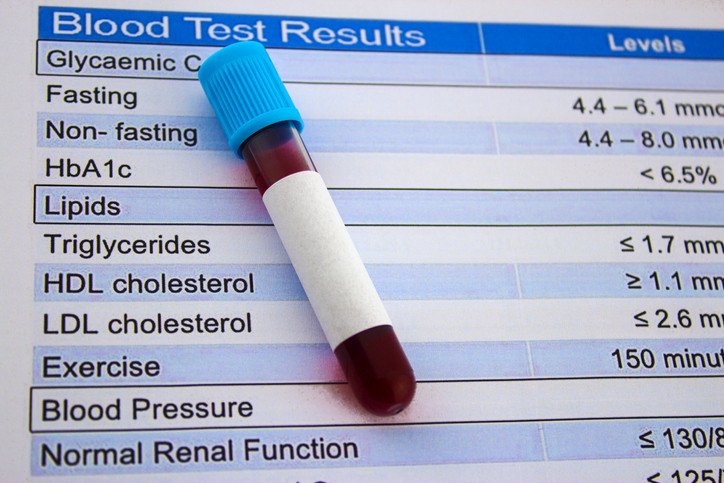
HDL cholesterol levels are measured through a lipid profile blood test. The ideal HDL level can vary depending on age, gender, and overall health condition.
Generally:
- Low HDL level: Less than 40 mg/dL in men and less than 50 mg/dL in women may increase heart risk.
- Higher HDL level: 60 mg/dL or above is often considered protective.
While higher HDL is usually associated with better heart health, extremely high HDL levels do not always provide additional benefits. The overall cholesterol balance and other health factors are equally important.
A healthcare professional can help interpret HDL results based on your complete lipid profile.
Difference Between HDL and LDL Cholesterol
Many people confuse HDL and LDL because both are types of cholesterol carriers, but they have different roles.
| HDL Cholesterol | LDL Cholesterol |
| Known as good cholesterol | Known as bad cholesterol |
| Helps remove excess cholesterol | Can deposit cholesterol in arteries |
| Supports heart protection | May contribute to plaque formation |
| Higher levels are generally beneficial | Lower levels are usually preferred |
Maintaining a healthy balance between HDL and LDL is an important part of cardiovascular wellness. Having high HDL does not completely cancel out the effects of high LDL, which is why regular cholesterol monitoring is important.
Causes of Low HDL Cholesterol
Several lifestyle and health factors can contribute to low HDL levels. Some common causes include:
Poor Diet
A diet high in processed foods, unhealthy fats, and excessive sugar may negatively affect cholesterol levels. Eating fewer fruits, vegetables, fiber-rich foods, and healthy fats can reduce HDL levels.
Lack of Physical Activity
Regular exercise can help increase HDL cholesterol. People who have a sedentary lifestyle may have lower HDL levels compared to those who remain physically active.
Smoking
Smoking can reduce HDL cholesterol and damage blood vessels. Quitting smoking can improve cholesterol balance and overall heart health.
Excess Body Weight
Being overweight, especially carrying excess abdominal fat, may lower HDL levels and increase other heart risk factors.
Genetics
Some individuals naturally have lower HDL levels due to genetic factors. In such cases, lifestyle changes may help improve cholesterol balance, but medical guidance may also be needed.
How Can You Increase HDL Cholesterol Naturally?
Improving HDL levels often involves healthy lifestyle changes. Some effective strategies include:
Exercise Regularly
Physical activity is one of the best ways to support healthy HDL levels. Activities such as walking, cycling, swimming, and strength training can improve cholesterol balance.
Choose Healthy Fats
Not all fats are harmful. Healthy fats found in foods like olive oil, nuts, seeds, and fatty fish may support better cholesterol levels.
Eat More Fiber-Rich Foods
Foods such as vegetables, fruits, whole grains, and legumes can support overall heart health and improve cholesterol management.
Maintain a Healthy Weight
Losing excess weight can positively affect HDL levels and reduce other cardiovascular risk factors.
Avoid Smoking
Stopping smoking can improve HDL cholesterol levels and provide significant benefits for heart and lung health.
Limit Added Sugars and Processed Foods
Reducing sugary drinks, refined carbohydrates, and highly processed foods may help maintain healthier cholesterol levels.
Can HDL Cholesterol Be Too High?
For many years, higher HDL levels were considered automatically better. However, recent research suggests that extremely high HDL levels may not always provide extra protection.
Heart health depends on multiple factors, including LDL cholesterol, triglycerides, blood pressure, inflammation, lifestyle habits, and genetics.
Therefore, HDL should be viewed as one part of a complete heart health assessment rather than the only indicator of cardiovascular risk.
Why Is a Lipid Profile Test Important?
A lipid profile is a simple blood test that measures different types of cholesterol and fats in your blood. It usually includes:
- Total cholesterol
- HDL cholesterol
- LDL cholesterol
- Triglycerides
Regular testing helps identify unhealthy cholesterol patterns before they lead to serious health problems.
People with a family history of heart disease, diabetes, high blood pressure, obesity, or previous cholesterol issues may need more frequent monitoring.
Understanding your HDL level allows you and your healthcare provider to make informed decisions about diet, exercise, and treatment options if needed.
Book Your HDL Test from Chughtai Lab via InstaCare and Get 20% Discount
Monitoring your HDL cholesterol level is an important step toward maintaining better heart health. A simple blood test can help you understand your cholesterol balance and identify possible risks early.
You can book your HDL test from Chughtai Lab via InstaCare and get 20% discount on your test. Regular cholesterol screening can help you stay informed about your cardiovascular health and take timely steps toward a healthier lifestyle.
Conclusion
HDL cholesterol plays an important role in protecting your heart by helping remove excess cholesterol from your arteries. While it is known as good cholesterol, maintaining overall cholesterol balance is more important than focusing on a single number.
Healthy eating habits, regular exercise, maintaining a healthy weight, avoiding smoking, and routine lipid profile testing can support better heart health. Understanding your HDL level gives you valuable information to make healthier choices and reduce potential cardiovascular risks.
Frequently Asked Questions (FAQs)
1. What is considered a good HDL cholesterol level?
An HDL cholesterol level of 60 mg/dL or higher is generally considered beneficial. Levels below 40 mg/dL in men and below 50 mg/dL in women may indicate increased heart risk.
2. Can lifestyle changes increase HDL cholesterol?
Yes. Regular exercise, eating healthy fats, maintaining a healthy weight, quitting smoking, and improving diet quality can help increase HDL cholesterol levels naturally.
3. How often should I check my HDL cholesterol?
The frequency of HDL testing depends on your age, health condition, family history, and existing risk factors. Many adults benefit from regular lipid profile testing as recommended by their healthcare provider.