
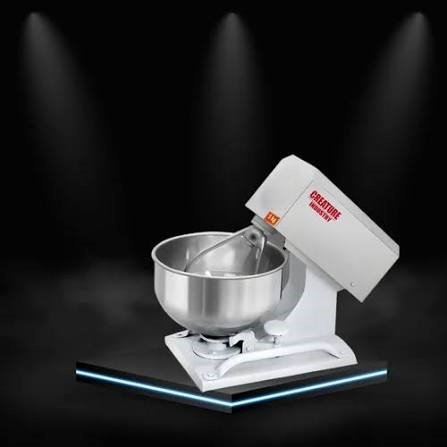
Kneader Machine 2026: Prices, Types, Uses & Complete Buying Guide
Preparing dough by hand is simple, but doing it every day takes time and effort. A kneader machine gives homes and food businesses a faster way to combine flour, water, oil, and other ingredients into smooth dough.
These appliances are used for roti, chapati, naan, paratha, pizza, bread, puri, and bakery dough. For families, the main benefit is convenience. For restaurants, bakeries, cafeterias, and catering kitchens, repeatable batches and a smoother workflow matter just as much.
What Is a Dough Kneader?
A Kneader Machine is an appliance designed to mix flour with water and other ingredients until workable dough forms. Instead of pressing and folding dough by hand, a motor-driven blade or hook performs most of the mixing.
A typical unit includes a bowl, motor, kneading part, lid, body, and controls. Some models add timers, speed settings, or thermal protection.
The biggest advantage over hand kneading is repeatability. When the same flour quantity, water ratio, and run time are used, it becomes easier to produce similar dough from one batch to the next.
How Does It Work?
Using a Kneader Machine is usually simple. Flour goes into the bowl, followed by water and any required salt, oil, yeast, or sugar. The blade or hook then brings the ingredients together until dough forms.
Once the desired texture is reached, the machine is stopped and the dough is removed for resting, shaping, or cooking.
Operating steps and batch limits vary by model. Buyers should follow the manufacturer’s instructions. Overloading can slow the unit and place unnecessary strain on the motor.
Different Types of Dough Kneaders
Home Kneaders
A compact Kneader Machine is often enough for a household that prepares roti, chapati, paratha, naan, or occasional baking dough. Easy cleaning, manageable capacity, and simple controls usually matter more than oversized equipment.
Commercial Kneaders
Commercial units are designed for repeated batches in bakeries, restaurants, cafeterias, catering operations, and other food businesses. They may offer larger bowls, stronger motors, and heavier construction.
For business use, daily operating hours, batch frequency, service support, and spare-part availability can be as important as maximum capacity.
Atta Kneaders
Atta kneaders focus mainly on wheat-flour dough for roti, chapati, puri, and paratha. This makes them practical for Pakistani households where fresh atta dough is prepared regularly.
Dough Kneading Machine
A Dough Kneading Machine may support pizza, bread, naan, buns, and similar doughs. Some stand mixers also include dough hooks, but buyers should confirm that the motor and attachment are suitable for dense mixtures.
Main Benefits
A Kneader Machine is most useful when dough preparation is a regular task.
Less manual effort: Repeated hand kneading can be tiring, especially when several batches are needed.
Faster preparation: Once ingredients are measured, the machine handles much of the mixing work.
More consistent results: A fixed batch size and repeatable method make dough easier to standardize.
Useful for larger quantities: Higher-capacity models can support big families, restaurants, bakeries, or catering work.
Cleaner workflow: A contained bowl can reduce loose flour and sticky dough on the worktop.
For someone who prepares dough only once a week, the benefit may be smaller. Daily users are more likely to notice the time and effort saved.
What Can You Make With It?
A suitable Kneader Machine can be used for roti, chapati, paratha, naan, puri, pizza, bread, buns, and several bakery doughs.
Some products support other mixing jobs as well. One current Pakistani listing says its model can knead pizza and chapati dough and mix minced meat for kebabs. Buyers should treat that as a model-specific feature rather than assume every kneader does the same.
Important Features to Check Before Buying
Capacity
Start with the amount of flour or finished dough normally needed in one batch. A small family and a busy restaurant have very different needs.
Pakistani online listings currently include compact products and larger 3.5 kg and 5 kg units. Capacity can refer to dry flour, wet dough, or bowl volume, so buyers should read the specification carefully.
Motor and Workload
Motor power matters, but wattage alone is not enough. Gearing, build quality, ventilation, protection, and recommended run time also affect performance. For frequent roti or bread dough, choose a unit specifically designed for kneading.
Bowl and Food-Contact Parts
Stainless steel is popular because it is durable and easy to clean. Food-grade plastic is also used in some products. Smooth, accessible surfaces make daily washing easier.
Safety
Look for a stable base, secure lid, safe electrical construction, and thermal or overload protection where available.
Cleaning
Fresh dough is easier to remove than dried dough. A removable bowl and accessible kneading part can save time after cooking.
Warranty and Spare Parts
A low price may not be a bargain if replacement blades or service are hard to find. Check warranty terms, parts availability, and local repair support before buying.
Size and Storage
Measure the counter or storage area first. A machine that is awkward to move or store often gets used less.
Kneader Machine Price in Pakistan in 2026
The Kneader Machine Price in Pakistan depends on brand, capacity, motor, materials, warranty, and whether the product is designed for household or heavier use.
As of September 2026, Brothers Home lists dough kneader models at about Rs. 12,000, Rs. 15,200, and Rs. 16,500. AYS Online lists a Spectra QK1500 at Rs. 19,200, while another Pakistan retailer lists a compact kneader at Rs. 9,099. Prices, discounts, and stock can change, so these figures are best treated as a current market snapshot.
When comparing Kneader Machine Price, check batch capacity, bowl material, motor protection, warranty, spare parts, seller support, and delivery terms as well as the purchase price.
Home vs Commercial Models
| Feature | Home Model | Commercial Model |
| Capacity | Small to medium | Medium to very large |
| Main use | Family cooking | Restaurants, bakeries, catering |
| Batch frequency | Occasional to daily | Repeated use |
| Size | Usually compact | Usually larger |
| Construction | Light to medium duty | Heavier duty |
| Price | Generally lower | Generally higher |
Home buyers should focus on easy handling and cleaning. Commercial buyers should give more weight to workload, spare parts, service, and downtime.
How to Choose the Right Model
The best Kneader Machine is the one that fits the real job. First estimate how much flour is normally kneaded at one time and how many batches are needed each day.
Then compare capacity, motor suitability, bowl material, cleaning, safety, storage, warranty, and service support.
For business use, ask the seller how long the unit can run, which parts are replaceable, what the warranty covers, and whether local repair is available.
For home use, simplicity often wins. A model that is easy to wash, move, and operate is more likely to become part of the daily routine.
Cleaning and Maintenance
Unplug the Kneader Machine before cleaning. Remove leftover dough before it dries, then wash or wipe the bowl and approved removable parts according to the manual.
Never pour water over the motor housing or electrical controls. Dry washable parts before storage.
Avoid exceeding the stated batch limit. If the motor becomes unusually hot, noisy, or slow, stop the unit and check the manual or contact service support.
Is It Worth Buying?
A Kneader Machine can be a useful purchase for families that prepare fresh roti almost every day and for businesses that need repeatable dough batches.
It may offer less value to someone who kneads only a small quantity once or twice a week. That buyer should compare the cost with storage space, cleaning time, and expected use.
For frequent users, the value is straightforward: less manual work and a more predictable preparation routine.
FAQs
1. What is a kneading machine used for?
It mixes flour, water, and other ingredients into dough for roti, chapati, naan, paratha, pizza, bread, puri, and buns.
2. Which kneading machine is best for home use?
Choose a model that matches the family’s normal batch size, fits the kitchen, is easy to clean, and has dependable warranty or service support. Bigger is not automatically better.
3. Can a dough kneading machine make pizza dough?
Yes. Many suitable models can prepare pizza dough when the recipe and batch size stay within the machine’s stated limits.
4. What is the kneading machine price in Pakistan?
Current September 2026 examples range from roughly Rs. 9,000 for some compact dedicated products to around Rs. 20,000 or more for other household models. Larger or multipurpose equipment can cost more.
5. Is an atta kneader useful for daily roti?
Yes. For households that make fresh roti regularly, an atta kneader can reduce hand effort and make the preparation process easier to repeat.
Final Buying Advice
Choosing the right Kneader Machine comes down to matching the appliance with the actual workload. A household may need a compact and easy-to-clean model, while a restaurant or bakery may need stronger construction and higher output.
Compare capacity, motor suitability, bowl material, safety, cleaning, warranty, spare parts, seller support, and current price before ordering. Do not buy only because a model has the biggest bowl or the lowest discount.
Buyers can review the current Brothers Home dough kneader range and compare models before purchase. Check the latest specifications, availability, and price, then select the option that fits the daily dough requirement.