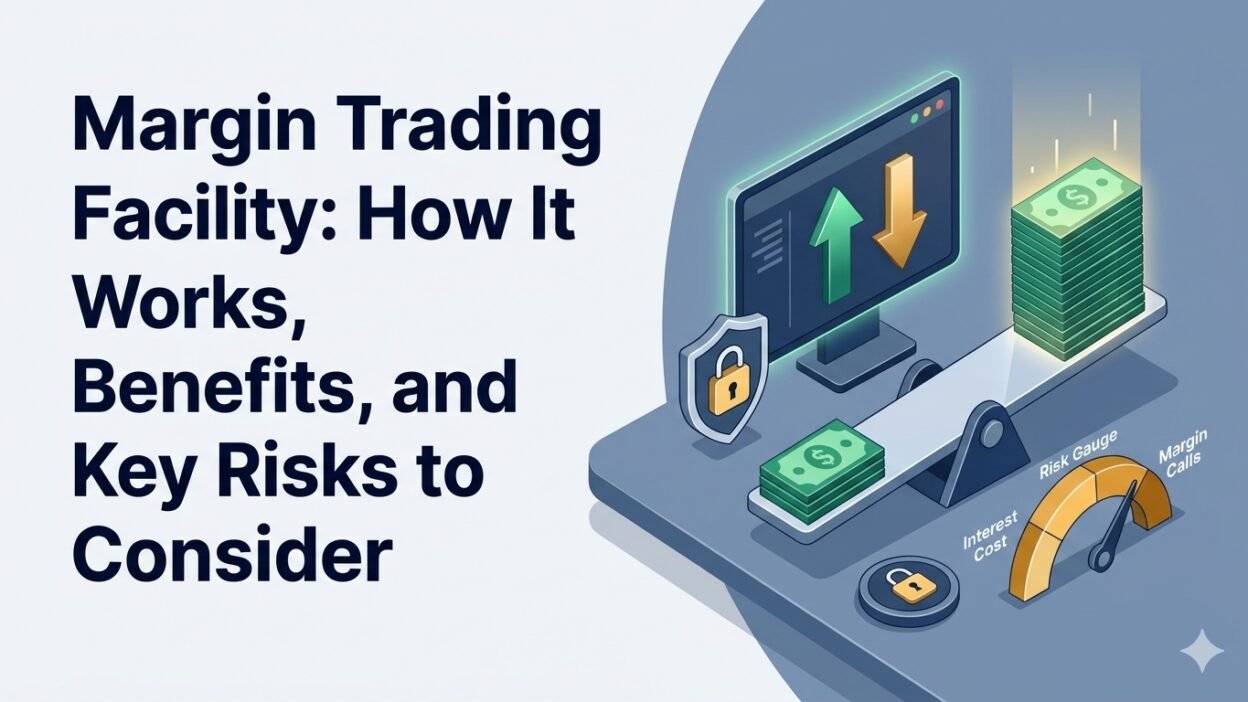
Welcome aboard the wild world of trading! If you’ve ever dreamt of amplifying your investment power without having to break the bank, then the margin trading facility might just be your ticket. In this article, we will explore how this facility works, its benefits, and the potential risks involved. Let’s begin with the basics!
What is Margin Trading?
Before diving deep into the margin trading facility, let’s understand what margin trading actually means. In simple terms, margin trading allows you to borrow funds from your broker to purchase more assets than you could with just your available capital. Imagine it like having a friend chip in some money for that latest gadget you want. You can buy the gadget now and pay your friend back later while enjoying the gadget today.
Although appealing, margin trading comes with its own set of rules and needs to be approached with caution.
How the Margin Trading Facility Works
So, how does the margin trading facility operate? It’s pretty simple once you break it down. Here’s a step-by-step guide:
1. Open a Margin Account: First things first, you need to open a margin trading account with a broker that offers this facility. Make sure to do your research and pick a trusted one.
2. Deposit Initial Margin: To start trading on margin, you need to deposit a minimum amount known as the initial margin or collateral. This is essentially your own money that the broker will hold as security.
3. Leverage Your Investment: Once your account is set up and the initial margin is in place, you can start trading. The broker provides you with leverage, often a certain multiple of your initial margin. This means you can trade with a much larger amount than you actually deposited.
4. Buying and Selling: You can now buy stocks, cryptocurrencies, or other securities using the funds from your margin account. But remember, with great power comes great responsibility. Monitor your trades and keep an eye on price fluctuations.
5. Margin Call: Keep your fingers crossed and your eyes peeled on your investments because if the market goes against you and your equity falls below a certain level, your broker will issue a margin call. This means you’ll need to deposit more funds or sell some of your securities to maintain your account.
The Benefits of Margin Trading
Let’s talk about why you might consider using the margin trading facility. Here are some major perks:
1. Increased Buying Power
The most obvious benefit is that margin trading allows you to control larger positions in the market. This can lead to greater profits, especially if you’re trading in a rising market.
2. Diversification Opportunities
With increased buying power, you can diversify your investments across a variety of assets. Instead of putting all your eggs in one basket, you can spread your risk across multiple investments.
3. Quick Liquidity
Trading on margin typically means quicker access to funds. If you need cash fast, you can sell your margin trades and access your funds almost immediately.
4. Short Selling the Market
Margin trading also allows for short selling, which means you can profit when the market goes down by borrowing securities to sell. If you believe a stock price will fall, short selling can be your way to earn profits during bearish market conditions.
Key Risks to Consider
However, it’s critical to understand that with great opportunity comes considerable risk. Here are some key risks associated with the margin trading facility:
1. Magnified Losses
Just as margin trading can amplify your profits, it can also magnify your losses. If the market takes a downturn, you can end up losing more than your initial investment. The more you trade on margin, the more at risk you are of a devastating loss.
2. Margin Calls
As mentioned earlier, if your equity dips below the required level, you will receive a margin call. If you cannot meet this call by depositing more funds or selling some of your assets, your broker might automatically liquidate your positions to recover their money.
3. Interest Costs
Don’t forget that when you borrow money from your broker, you will incur interest charges. These costs can eat into your profits or amplify your losses if not managed properly.
4. Emotional Stress
Let’s get candid — trading in the margins can be stressful. The pressure to recover losses or leverage a position can lead to emotional decision-making, which might not always yield the best results.
Strategies to Maximize Success in Margin Trading
If you’re planning to venture into the margin trading facility, having a solid strategy is crucial. Here are a few strategies:
1. Set Clear Goals
What do you want to achieve with margin trading? Set clear and realistic investment goals. Knowing your objectives will help you stick to your plan and avoid impulsive decisions.
2. Use Stop-Loss Orders
To protect your investments, consider using stop-loss orders. These orders automatically sell a security at a predetermined price. It’s like having insurance for your trades!
3. Keep an Eye on Moving Averages
Incorporating technical indicators like moving average trading can help you make more informed decisions. Moving averages smooth out price data to identify trends over time, helping you gauge when to enter or exit trades.
4. Maintain a Risk-Management Strategy
Decide on the maximum amount of capital you’re willing to risk on any given trade. This can help you avoid making rash decisions during volatile market conditions.
Conclusion
The margin trading facility can undoubtedly enhance your trading experience and provide exciting opportunities. However, it’s essential to tread carefully. By understanding how it works, acknowledging the benefits, and being aware of the risks, you can make informed decisions when using this trading strategy.
Remember, it’s a two-edged sword that can either make you a hero or send you spiraling down into panic mode. Keep your focus sharp, manage your risks intelligently, and the world of margin trading can be both profitable and thrilling. Happy trading!