Healthy, beautiful hair is something many people want, but maintaining it can be challenging. Hair fall, dandruff, dryness, split ends, and slow hair growth are common concerns. Environmental pollution, stress, poor nutrition, excessive heat styling, and unsuitable hair products can all affect hair health.
While commercial hair treatments are widely available, many people are exploring natural alternatives. Essential oils and plant-based oils have become popular ingredients in hair care because they can complement a consistent scalp and hair maintenance routine.
Understanding the Importance of Scalp Health
Healthy hair begins with a healthy scalp. Hair follicles need a suitable environment to produce strong strands. Excess oil, product buildup, dryness, and irritation can make scalp care difficult.
A simple scalp care routine should include gentle cleansing, regular washing according to hair type, adequate hydration, and avoiding excessive chemical treatments.
Scalp massage is another popular practice. Gently massaging the scalp with fingertips can make hair care more relaxing and help distribute natural oils.
Natural Oils for Everyday Hair Care
Plant-based oils have been used in traditional hair care routines for generations. Different oils offer different properties, making it useful to understand their purposes before choosing one.
Coconut Oil: Coconut oil is popular for conditioning dry hair. It helps reduce protein loss from hair strands and can improve softness and manageability.
Castor Oil: Known for its thick consistency, castor oil is commonly used to moisturize dry hair and seal in moisture. However, scientific evidence supporting direct hair growth claims remains limited.
Almond Oil: Almond oil contains fatty acids and vitamin E. It can help condition dry hair, improve smoothness, and reduce the appearance of frizz.
Onion Oil: Onion-based hair oils are popular in traditional hair care. They are commonly included in routines designed to nourish the scalp and improve the appearance of dry, damaged hair.
Rosemary Essential Oil: Rosemary oil has attracted considerable attention because of research investigating its potential role in supporting hair growth and scalp health.
Why Rosemary Oil Is Becoming Popular
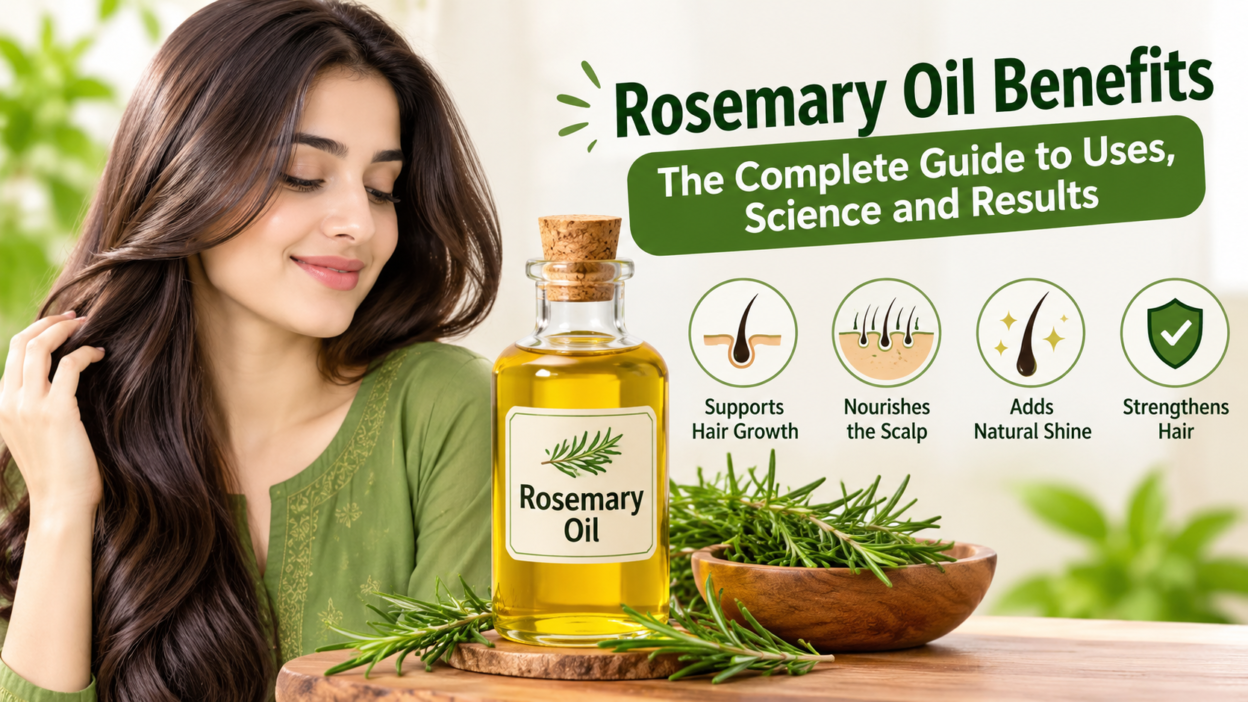
Rosemary is an aromatic herb traditionally used in cooking, wellness practices, and personal care. Its essential oil is extracted from the leaves and contains naturally occurring compounds that have antioxidant and other biological properties.
Interest in rosemary oil increased after research explored its potential effects on hair growth. Some clinical findings suggest that rosemary oil may help improve hair density with consistent use, although more large-scale research is needed.
People interested in natural hair care can explore the science behind rosemary oil benefits, including its potential uses, application methods, and research findings.
It is important to remember that essential oils are concentrated substances. Rosemary essential oil should always be diluted with an appropriate carrier oil before topical application.
How to Include Essential Oils in Your Hair Routine
Using essential oils correctly is important for achieving a comfortable hair care experience.
Here are some practical steps:
- Choose a suitable carrier oil, such as coconut, almond, or jojoba oil.
- Add a small amount of rosemary essential oil according to the product’s dilution instructions.
- Mix thoroughly before application.
- Apply a small quantity to the scalp and massage gently with your fingertips.
- Leave it on for approximately 30 minutes if your scalp tolerates the mixture.
- Wash thoroughly with a gentle shampoo.
Always perform a patch test before using a new essential oil. Avoid applying concentrated essential oils directly to the scalp, eyes, or irritated skin.
People with sensitive skin or existing scalp conditions should consult a qualified healthcare professional before introducing essential oils into their routine.
Everyday Habits That Help Maintain Healthy Hair
Hair care involves more than applying oils. Everyday lifestyle choices also influence the appearance and condition of hair.
Eat a Balanced Diet: Hair requires nutrients such as protein, iron, zinc, and essential vitamins. Include eggs, fish, vegetables, nuts, seeds, and other nutrient-rich foods in your meals.
Stay Hydrated: Drinking sufficient water supports general health and helps maintain normal bodily functions.
Avoid Excessive Heat: Frequent use of straighteners, curling irons, and high-temperature blow dryers can damage hair strands. Use heat protection products when styling.
Choose Gentle Hair Products: Select shampoos and conditioners according to your hair type. Avoid products that cause persistent irritation or dryness.
Manage Stress: Stress can contribute to certain types of hair shedding. Regular physical activity, adequate sleep, and relaxation techniques may support overall well-being.
Common Hair Care Mistakes to Avoid
Even a well-planned hair care routine can become ineffective when certain mistakes are repeated.
One common mistake is applying undiluted essential oils directly to the scalp. Concentrated oils may cause irritation, redness, or allergic reactions.
Another mistake is expecting immediate results. Hair growth is a gradual process, and changes in hair density or thickness may take several months to become noticeable.
Using too many products simultaneously can also make it difficult to identify which ingredients work well for your hair. A simple routine with a few suitable products is often easier to maintain.
Finally, persistent or sudden hair loss should not automatically be treated with oils. It may be associated with nutritional deficiencies, hormonal changes, medical conditions, or other underlying causes that require professional evaluation.
Final Thoughts
Natural oils can be useful additions to a balanced hair care routine. Coconut, almond, castor, onion, and rosemary oils each offer different properties that may help improve hair conditioning and scalp care.
Rosemary essential oil is particularly interesting because of emerging research into its potential hair growth benefits. However, proper dilution, consistent application, and realistic expectations are essential.
Combining suitable hair care products with a nutritious diet, gentle handling, and healthy lifestyle habits can help maintain stronger-looking, healthier hair over time.