Few pieces in a wardrobe offer the same combination of practicality, versatility, and style as a well-made jacket. While some outerwear is designed for a narrow range of weather conditions, jackets can adapt to changing temperatures, different activities, and countless personal styles. From lightweight layers worn on cool spring mornings to insulated designs that help handle winter conditions, the right jacket can remain useful throughout much of the year.
The appeal goes beyond basic weather protection. A jacket can define an outfit, provide convenient storage, create a polished appearance, or introduce a distinctive fashion statement without requiring an entirely new wardrobe. That flexibility makes jackets especially valuable for people who want clothing that works across multiple settings rather than pieces that only serve one purpose.
Modern jacket styles also make it easier to balance function with personal expression. Bomber jackets, workwear-inspired designs, denim jackets, field jackets, lightweight windbreakers, and insulated outer layers each offer different advantages. Understanding those differences can help shoppers build a practical outerwear collection that remains useful as the seasons change.
Why Jackets Work Across Different Seasons
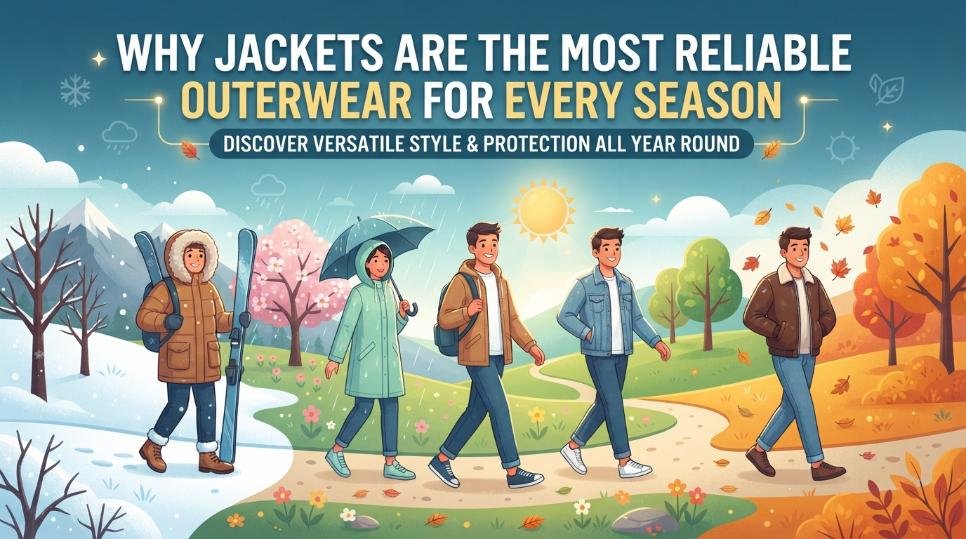
The biggest advantage of jackets is their ability to function as adaptable layers. Unlike heavy winter coats that can become uncomfortable once temperatures rise, many jackets are designed to be worn over shirts, sweaters, hoodies, or other lightweight layers. This makes them useful during transitional periods when the weather can change dramatically within a single day.
Spring and fall are particularly well suited to jacket weather. Mornings may be cold enough to require an extra layer, while afternoons can become considerably warmer. A jacket provides an easy solution because it can be worn when needed and removed without disrupting the rest of an outfit.
During summer, lightweight jackets can still have a role. Thin cotton, nylon, linen-blend, or breathable technical fabrics can provide protection from cool evenings, strong air conditioning, or unexpected wind. In winter, heavier versions can serve as an important component of a layered clothing system.
- Spring: Lightweight jackets provide warmth without excessive bulk.
- Summer: Breathable layers are useful during cool evenings and windy conditions.
- Fall: Midweight jackets offer an ideal balance between warmth and mobility.
- Winter: Insulated jackets can be combined with sweaters and thermal layers for additional protection.
This seasonal flexibility means consumers do not necessarily need a separate outerwear piece for every month. Instead, selecting jackets according to fabric weight, construction, insulation, and layering potential can create a smaller but more functional wardrobe.
The Importance of Fabric and Construction
A jacket’s reliability starts with the materials used to make it. Fabric determines much of the garment’s comfort, durability, breathability, and weather resistance. Cotton can offer a familiar, comfortable feel, while denim and canvas are valued for their ruggedness. Nylon and polyester are often chosen for lightweight designs because they can provide useful resistance to wind and light moisture without adding significant weight.
Construction matters just as much. Strong seams, durable zippers, reinforced pockets, quality lining, and properly finished cuffs can significantly influence how long a jacket remains wearable. A fashionable design loses much of its value if the hardware fails or the fabric begins to deteriorate after limited use.
For everyday wear, practical construction details can make a noticeable difference. Secure pockets help keep personal items accessible, while ribbed cuffs and adjustable hems can improve fit and help reduce unwanted airflow. Hooded designs provide another layer of flexibility when conditions become windy or wet.
Color can also influence a jacket’s versatility. Neutral shades such as black, navy, olive, beige, gray, and brown can coordinate with a broad range of clothing. More expressive colors, meanwhile, can turn an otherwise simple outfit into a stronger fashion statement.
Bomber Jackets: A Versatile Choice for Transitional Weather
Bomber jackets have remained popular because they combine a recognizable silhouette with practical everyday functionality. Their typically compact shape makes them easy to layer, while ribbed cuffs and waistbands can create a secure fit. Depending on the material and insulation, a bomber can work particularly well during spring, fall, and milder winter conditions.
The style also crosses fashion categories easily. A bomber can complement jeans and sneakers for casual outfits, but a clean, understated version can also work with chinos, boots, or smart-casual clothing. That ability to move between different looks is one reason bomber jackets continue to appear in streetwear, workwear, heritage fashion, and contemporary casual collections.
For shoppers who prefer distinctive workwear-inspired outerwear, a red carhartt jacket can add a bold color element while maintaining the practical character associated with rugged jacket designs. A red outer layer can become the focal point of an outfit, particularly when paired with understated basics such as black denim, neutral trousers, or simple sneakers.
Bomber jackets can also be particularly useful for travel. Their relatively compact construction makes them easier to wear through airports, restaurants, and outdoor environments than many bulky coats. When temperatures fluctuate, the jacket can be removed and carried without the inconvenience associated with a large winter coat.
Jackets as Practical Layering Tools
Layering is one of the most effective ways to make outerwear useful throughout the year. Instead of relying on a single heavy garment to provide all the necessary warmth, multiple layers allow the wearer to adjust clothing according to conditions.
- Start with a comfortable base layer. A breathable T-shirt or lightweight thermal garment can help regulate comfort.
- Add a mid-layer when necessary. Sweaters, hoodies, flannels, and fleece pieces can increase warmth.
- Finish with the appropriate jacket. Choose the outer layer according to wind, temperature, precipitation, and activity level.
- Adjust throughout the day. Remove or add layers as conditions change rather than relying on one fixed level of insulation.
This approach gives jackets a major advantage over highly specialized outerwear. A relatively lightweight jacket can become significantly warmer when worn over a sweater or fleece. Likewise, a breathable jacket can be worn over a simple shirt when temperatures are moderate.
The best layering system also depends on avoiding unnecessary bulk. A jacket that fits comfortably over other garments without restricting movement is more likely to become an everyday favorite. Fit should therefore be considered alongside appearance, especially for people who intend to wear their jacket across multiple seasons.
Women’s Jackets Can Combine Function and Personality
Outerwear does not have to sacrifice individuality for practicality. Women’s jackets are available in a wide range of silhouettes, colors, materials, and finishes, making it possible to choose an option that reflects personal style while still providing useful protection from the elements.
Color is one of the simplest ways to create distinction. A vibrant jacket can brighten a neutral wardrobe, while classic tones can provide maximum outfit compatibility. The choice often depends on whether the jacket is intended to serve as a daily staple or a statement piece.
For shoppers looking to introduce a softer, more expressive color into a functional wardrobe, a pink carhartt jacket can combine a recognizable workwear-inspired aesthetic with a more distinctive color palette. It can be styled with denim, neutral trousers, leggings, boots, or sneakers depending on the desired look.
The versatility of contemporary women’s outerwear also means that a jacket can transition between activities. The same piece may work for a casual lunch, a weekend outing, a commute, or an outdoor event. Choosing a design with durable materials and a comfortable cut increases the likelihood that it will become a reliable part of a seasonal wardrobe rather than a rarely worn fashion purchase.
Reversible Jackets Offer Two Looks in One
One of the most practical developments in modern outerwear is the reversible jacket. Rather than providing a single appearance, reversible construction allows wearers to turn the garment inside out and create a different visual presentation. This can be particularly valuable for travelers or anyone trying to maintain a compact wardrobe.
A reversible jacket can also make outfit planning easier. One side may feature a classic neutral color, while the other can offer a contrasting shade, texture, or pattern. The result is effectively two styling options within one garment.
For example, the coach men’s reversible bomber jacket demonstrates how a familiar bomber silhouette can be used to create greater styling flexibility. Reversible construction can help wearers change their look without carrying a second jacket, which makes this type of outerwear particularly convenient for trips and unpredictable weather.
Beyond convenience, reversibility can improve the value proposition of a jacket. Instead of purchasing several visually different outer layers, consumers can select one versatile garment that supports multiple outfits. That makes reversible designs especially appealing to people who favor minimalist wardrobes or efficient packing.
What Makes a Jacket Reliable for Daily Wear?
Reliability is not determined by appearance alone. A jacket intended for regular use should perform comfortably in the situations where the wearer expects to use it. Durability, fit, weather resistance, storage, and ease of maintenance all contribute to its practical value.
| Jacket Feature | Why It Matters | Best Use |
|---|---|---|
| Durable Fabric | Helps withstand frequent wear and everyday abrasion. | Work, commuting, travel, and outdoor activities. |
| Layer-Friendly Fit | Allows sweaters and other mid-layers underneath. | Spring, fall, and changing temperatures. |
| Secure Pockets | Provides convenient storage for everyday essentials. | Travel, commuting, and casual wear. |
| Quality Hardware | Improves long-term functionality and ease of use. | Frequent everyday wear. |
| Versatile Color | Makes it easier to coordinate with different outfits. | Year-round wardrobe rotation. |
| Weather-Appropriate Design | Helps protect against wind, cold, or light moisture. | Outdoor and transitional conditions. |
Another important factor is maintenance. A jacket that can be cleaned and cared for without complicated procedures is more practical for frequent use. Always follow the garment’s care instructions, particularly when dealing with specialized coatings, insulation, leather details, or delicate trims.
Choosing the Right Jacket for Your Lifestyle
There is no single jacket that is perfect for everyone. The most reliable option depends on climate, daily routine, personal style, and intended activities. Someone who spends most of the day commuting through a city may prioritize lightweight construction, pockets, and easy layering. Someone working outdoors may place greater importance on durability and weather protection.
Before buying a jacket, consider these factors:
- Climate: Determine whether you primarily need protection from cold, wind, rain, or fluctuating temperatures.
- Frequency of use: Daily wear calls for durable materials and dependable construction.
- Layering: If you plan to wear sweaters underneath, allow enough room for comfortable movement.
- Wardrobe compatibility: Choose a color and silhouette that work with clothing you already own.
- Activity: Commuting, hiking, travel, work, and casual outings may require different features.
- Storage: Pockets and secure closures can improve everyday convenience.
- Maintenance: Consider how easily the garment can be cleaned and cared for.
Thinking about these points before purchasing helps prevent the common mistake of selecting a jacket solely because it looks appealing on a product page. A visually attractive jacket that does not suit your climate or lifestyle may spend most of its time hanging in the closet.
Why Versatility Adds Long-Term Value
The value of a jacket is closely connected to how often it can realistically be worn. A garment that works with multiple outfits and across different conditions can deliver considerably more practical value than one designed for a single occasion.
Versatility also makes it easier to create a streamlined wardrobe. Instead of owning numerous outerwear pieces that each serve a narrow purpose, consumers can prioritize a few dependable designs with complementary characteristics. A lightweight jacket, a versatile midweight option, and a heavier cold-weather layer may cover a broad range of situations.
Jackets can also evolve with changing fashion preferences. Basic silhouettes can be styled differently through footwear, shirts, accessories, and trousers. This means the jacket itself does not have to change every time a trend shifts. A strong foundational design can remain relevant for years.
How to Build a Practical Seasonal Jacket Collection
A thoughtful outerwear collection does not need to be enormous. The goal should be to select pieces that cover different weather conditions while offering enough stylistic variety to keep everyday dressing interesting.
Start with a versatile midweight jacket that can handle transitional weather. Then consider adding a lightweight option for warmer months and a more insulated design for genuinely cold conditions. If your wardrobe is casual, a bomber or workwear-inspired jacket may provide the right combination of comfort and style. For more polished wardrobes, a clean-cut jacket with minimal detailing may offer greater flexibility.
Color should be considered strategically. A neutral jacket can serve as the foundation, while a second piece in a stronger color can provide variety. Reversible jackets are another efficient way to introduce additional styling possibilities without significantly increasing the number of garments in your closet.
Frequently Asked Questions (FAQs)
Can jackets really be worn in every season?
Yes. The key is choosing the appropriate weight and material. Lightweight jackets can work in spring and summer evenings, while midweight and insulated designs are better suited to fall and winter.
What type of jacket is best for changing weather?
Layer-friendly designs such as bomber jackets, lightweight utility jackets, and versatile transitional outerwear are useful because they can be adjusted with different layers underneath.
Are reversible jackets practical for travel?
Yes. A reversible jacket can provide two distinct looks in one garment, potentially reducing the amount of outerwear needed when packing for a trip.
What should I look for in an everyday jacket?
Prioritize durable construction, comfortable fit, useful pockets, quality hardware, appropriate fabric weight, and a style that coordinates with the rest of your wardrobe.
How can I make one jacket work with more outfits?
Choose a versatile color and simple silhouette, then change the appearance through shirts, sweaters, trousers, footwear, and accessories. Layering can also extend its seasonal usefulness.
Make Jackets a Year-Round Wardrobe Essential
Jackets earn their place in the wardrobe because they solve several problems at once. They provide an adaptable layer, protect against changing conditions, support countless styling combinations, and can transition between casual, professional, travel, and outdoor settings. With the right combination of fabric, construction, fit, and design, one jacket can become useful across far more situations than its initial purpose might suggest.
The smartest approach is to focus on versatility rather than simply collecting more outerwear. Choose dependable designs that suit your climate, complement your existing clothing, and provide the functionality you need. Whether you prefer rugged workwear, modern bomber silhouettes, expressive colors, or reversible designs, the right jacket can become one of the most frequently worn and dependable pieces in your wardrobe.
Build your seasonal wardrobe around outerwear that works as hard as you do. Choose jackets that offer lasting versatility, practical performance, and personal style—and make every layer count.